The devastating effects of domestic violence on pregnant women, fetus and children
December 11, 2018

An unstable physical environment can cause anxiety and depression to a child as they reflect on past phobias that start at a young age.
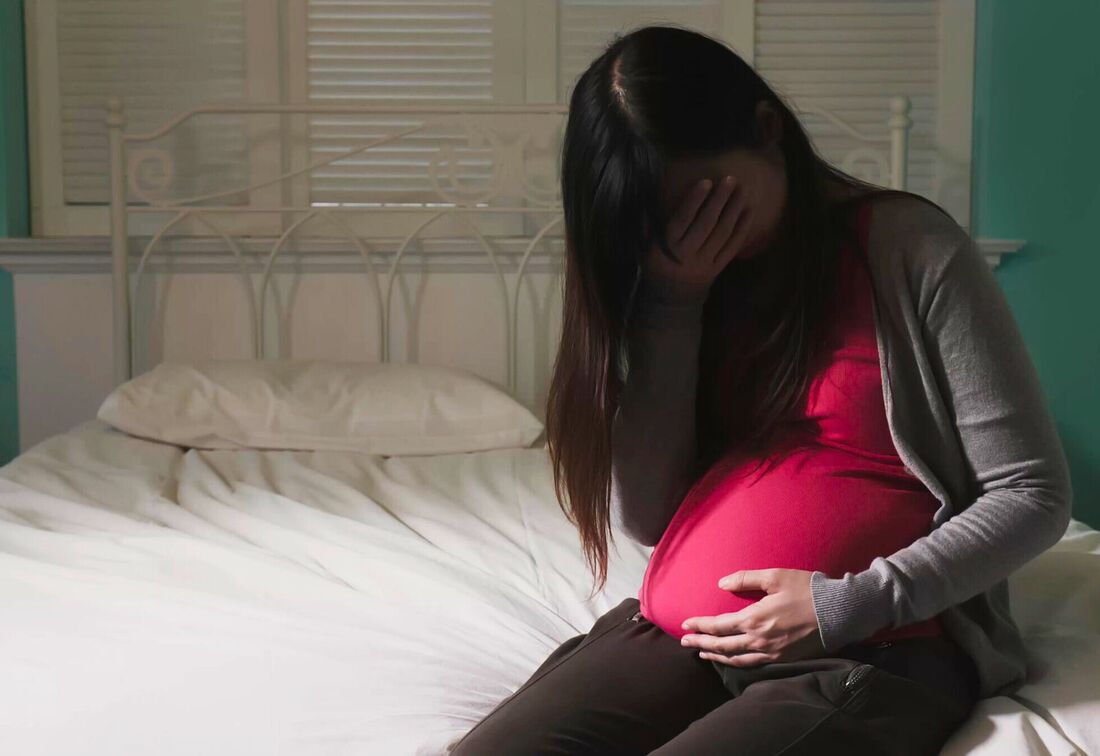
Stress experienced by a woman during pregnancy may affect her unborn child as early as 17 weeks after conception with potentially harmful effects on brain and development.
"Cortisol, which is pumped into the blood when we become anxious, is good in the short term as it helps the body to deal with a stressful situation. However, pregnant mothers who experience long-term stress can suffer from tiredness, depression and be more prone to illness which is certainly not good," said Dr Katyana Azman, Child Psychologist from Pantai Hospital Kuala Lumpur. Psychological abuse to the mother affects the fetus She explained that psychological abuse resulting in depression would affect how much a pregnant woman eats, her food choices, amount of sleep, physical activities, prenatal vitamins and even her routine check-ups. "It would also affect their motivation to care for the fetus in their womb. In such cases, the fetus is in danger of being aborted or being mistreated because the mother feels so affected by the abuse. So, even without the child being born, we are looking at a long list of potential things that could happen to the baby. Physical environment and instability in the child Off-course, as the child makes it into this world, the child is being raised in an environment that is constantly hostile which will subsequently affect his/her physical and emotional development because one of two things could happen:
Again, it is a matter of self-esteem and confidence which starts off with something very isolated and snow-balls to affect them throughout their life span. This thought is echoed by Dr Xavier Vincent Pereira, Professor in Psychiatry, School of Medicine, Taylor’s University Clinical School. “The physical environment can be very insecure and lead to instability in the child, which can actually translate to mental health disorders especially anxiety and depression. “Anxiety and depression comes on as the child reflects back on the past phobias that start at a young age. This however, may be manifest in a different manner according to the age group. We have to look at the developmental issues that prompts oppositional behavior in childhood and in adolescence. Autonomy a crucial factor While obedience is a requirement in our culture, having a sense of autonomy is crucial. "As children grow older, they like to explore and push boundaries. What they are looking for is a sense of autonomy and self-confidence, an important factor in the wheel of development. The way parents handle this is crucial for the child’s development. When children are punished and smacked by parents for what is in reality, age appropriate behavior, they develop a sense of shame and doubt. It is important to note that we are talking about giving our children a “sense” of autonomy, not autonomy itself. Dr Xavier believed that it is essential that parents give their children a chance to seek for this “sense” and make it stronger than the feelings of shame and doubt. Then and only then, will children have the confidence to later pursue and shape their own ideas and plans. "People don’t recognise that enough. Once we become adults, we supposed to have autonomy, but we don’t. We have bosses, religious and political leaders who dictate how we should live and what we should do – which is a big challenge for young people in addition to environmental, physical, social and psychological issues," he added. Dr Xavier concluded that relationships in the family contribute to happiness in children while the negative ones contribute to ill health. |
|




EXPLORE FURTHER

|
Mastering emotional resilience at work on Mondays: A guide to starting the week strongStrategies to empower you to face the week with confidence and effectiveness.
|

|
The devastating impact of domestic violence on children: From childhood obesity to adult relationship challengesHealing childhood trauma for adult well-being
|

|
I need help..." - The silent cries of students suffering from mental health issuesIdentifying key behavioral changes indicating potential mental health issues
|

|
Four vital components to well-beingHolistic approach to mental health: Physical, psychological, social, and spiritual
|

|
Are you in a physical - psychological abusive relationship? Key provisions for abuse victimsThe dynamics of psychological and financial abuse in relationships
|
|
The devastating effects of domestic violence on pregnant women, fetus and childrenImpact of domestic abuse on children's development and future behavior
|

|
Are you sad or depressed? How do you differentiate the two?Distinguishing grief from depression
|
|
How mental health affects your lifeExploring the three key areas affected by mental health issues
|

|
Survey reveals mental health and stress continue to affect organisation's bottom lineImpact of health-related absences on Malaysian workplace productivity
|

|
A call to create hope for the suicidalAddressing the urgency of suicide prevention
|

|
Low rate hospital admission for schizophrenia patients after a year in community psychiatric and rehab serviceUnderstanding schizophrenia: Symptoms, treatment, and the impact on lives
|

|
One psychiatrist per 100,000 population insufficient, says associate professorAddressing the mental health crisis: Awareness, education, and support in Malaysia
|

|
Arson, animal cruelty and lack of remorse - traits of personality disorders to look out for in a personPatterns of behavior and their impact on relationships
|

|
When mental illness is mistaken for demonic possessionDebunking myths: Understanding mental illness beyond historical misconceptions
|

|
The psychology behind public masturbation and indecent exposureExploring paraphilias: Understanding fetishes and sexual arousal disorders
|

|
Eating disorders - A mental health issueEssential facts about mental health and psychiatric disorders
|