Addressing the challenges: Building a strong and resilient nursing workforce
May 13, 2025

Gowry Narayanan, Director of Nursing, Ministry of Health highlights Malaysia's nursing shortage of 40,000, stressing the impact on patient care and nurse well-being.
In recent years, nurses have become increasingly recognized for the indispensable role they play in healthcare. The COVID-19 pandemic, in particular, brought the crucial contributions of nurses into the spotlight, showcasing their essential presence in sustaining healthcare systems worldwide. However, as the world moves forward, there remain numerous challenges that must be addressed to support and empower our nursing workforce.
Challenges faced by nurses in Malaysia Nursing shortages and service delivery One of the most pressing issues in Malaysia’s healthcare system is the severe shortage of nurses. Gowry Narayanan, Director of Nursing at the Ministry of Health, Malaysia, highlighted this issue during the International Nurses Day celebration organized by the Malaysian Nurses Association in Kuantan. She pointed out that the country is currently facing a shortfall of 40,000 nurses. This deficit, exacerbated by the opening of new medical facilities, results in a high patient-to-nurse ratio, increasing stress levels and risking patient care quality. The shortage not only affects healthcare delivery but also places immense pressure on existing staff, leading to burnout and job dissatisfaction. The World Health Organization (WHO) has long warned about the global nursing crisis, and Malaysia is no exception. With a growing population and increased demand for healthcare services, the gap between the number of nurses required and available has only widened. Gowry emphasized that addressing this shortage is crucial to maintaining the quality of healthcare services and ensuring patient safety. Lack of technological integration Another significant challenge is the lack of technological integration within the nursing profession. Gowry pointed out that only 8% of Malaysian hospitals have integrated computerized systems for record-keeping. This gap poses numerous challenges, from inefficient data management to delays in patient care. In a world where digital healthcare is rapidly advancing, Malaysia's nursing sector is falling behind. Nurses often have to spend excessive time on paperwork, taking away from direct patient care. Implementing technology-driven solutions would not only reduce administrative burdens but also improve healthcare outcomes. Job creation and retention The migration of Malaysian nurses to other countries for better pay and career progression continues to deplete the local workforce. Gowry acknowledged that creating more quality nursing positions with competitive salaries would help mitigate this problem. Nurses are often drawn to countries that offer higher wages, better working conditions, and clearer career progression paths. Retaining skilled nurses within the country requires making local opportunities just as attractive. Career advancement and leadership Career stagnation is another pressing issue. Many nurses feel that their professional growth is hindered by systemic barriers, including non-merit-based advancement. Gowry noted that creating leadership opportunities within the nursing sector would foster a sense of purpose and motivation. Programs that recognize and reward clinical expertise and leadership skills are necessary to keep nurses engaged and invested in their careers. Educational barriers Strict educational requirements to qualify as a credentialed nurse also hinder recruitment. Gowry stated that many aspiring nurses are unable to meet the high credit qualifications required for enrollment. Relaxing certain prerequisites or offering alternative pathways could help meet the increasing demand for nursing staff without compromising the quality of care. Building a sustainable nursing workforce Political economy and healthcare funding Gowry explained that building a sustainable nursing workforce involves addressing political and economic factors. Funding is central to this effort, as adequate salaries and resources can improve both recruitment and retention. Public-private healthcare collaborations are crucial in pooling resources and improving service delivery. Additionally, establishing technical clinics focusing on specialized care—such as vaccination or dialysis—can enhance the skills of the nursing workforce. Addressing global nursing shortages The shortage of nurses is not unique to Malaysia. In the Western Pacific Region alone, there are approximately 8.5 million nurses, representing half of the healthcare workforce. However, Malaysia’s nurse-to-population ratio remains low compared to other countries, indicating a need for targeted policies to increase the nursing workforce. Countries like China, Vietnam, and Brunei have shown improvements in nurse density, but Malaysia still struggles with maintaining adequate staffing levels. Gowry pointed out that improving training capacity and offering more educational opportunities would help bridge this gap. As the demand for healthcare services increases, expanding the nursing workforce through training is essential. Creating a safe and supportive environment To reduce burnout and improve nurse retention, it is crucial to provide a safe and supportive working environment. This includes ensuring adequate staffing, access to necessary resources, and professional development opportunities. Safe, healthy workplaces, robust safety protocols, and ergonomic tools can help minimize occupational hazards and improve overall well-being. Addressing workplace safety is particularly important, as nurses often face physical and emotional challenges that can take a toll on their mental health. Economic impact of supporting nurses Gowry highlighted that every ringgit invested in nurse well-being returns 2.4 times the value, boosting the national economy. Investing in safe, healthy working conditions not only benefits nurses but also reduces healthcare costs through fewer sick leaves and better patient outcomes. A case study from Rome demonstrated that implementing a workplace disability management program reduced absenteeism by 66.6% and saved nearly 428,000 euros annually. A future-oriented approach Investing in nurses’ health, education, and professional growth not only improves patient outcomes but also enhances the country’s economic resilience. As Gowry concluded, “If we truly care for our nurses, we must invest in their well-being. Nurses are the backbone of our health systems, and their future is integral to global health.” |
EXPLORE FURTHER

|
WHO updates: What role do nurses play in achieving universal health coverage?
Exploring nursing laws and leadership in the Western Pacific Region
|

|
Is nursing losing its appeal to the younger generation?How can we attract youth to the nursing profession?
|
|
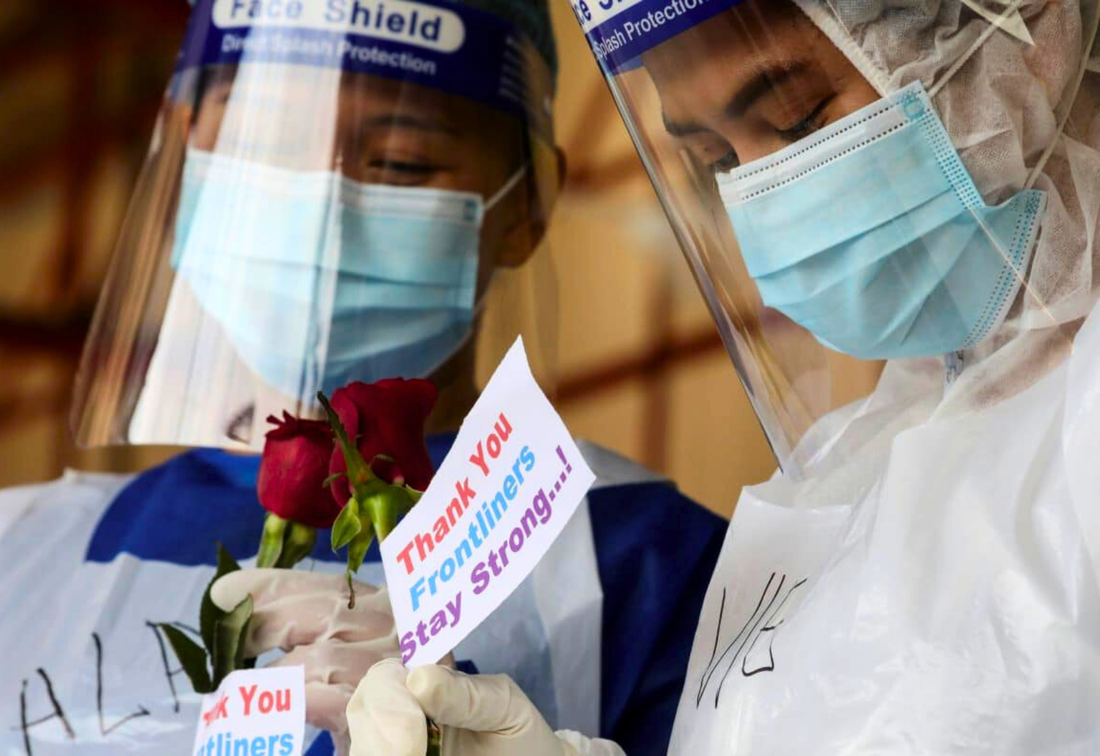
Global healthcare faces inequities; nurses essential for universal health coverageUrgent call for fair pay and better conditions for healthcare workers
|
|
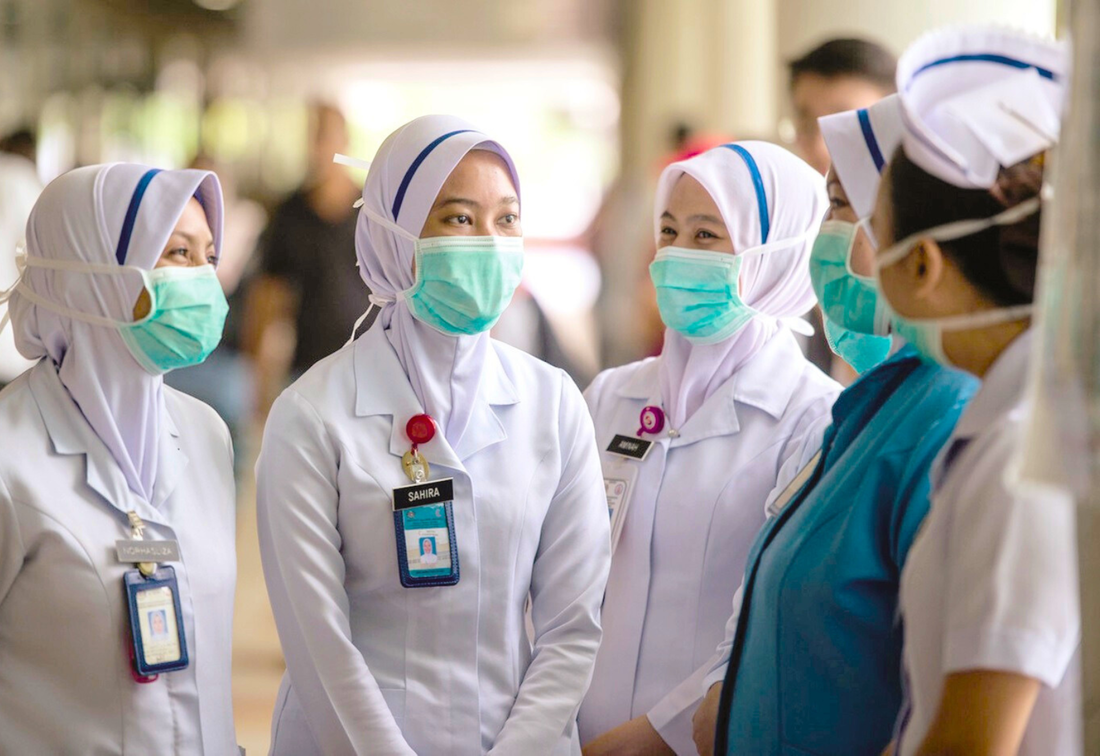
Civil servants, including nurses, get 15% pay raise starting December 1, 2024Addressing Malaysia's nursing crisis with strategic policy reforms and educational enhancements
|

|
Nursing in the age of uberization: Revolutionizing healthcare deliveryHow innovative models are transforming nursing practice across Asia
|
|
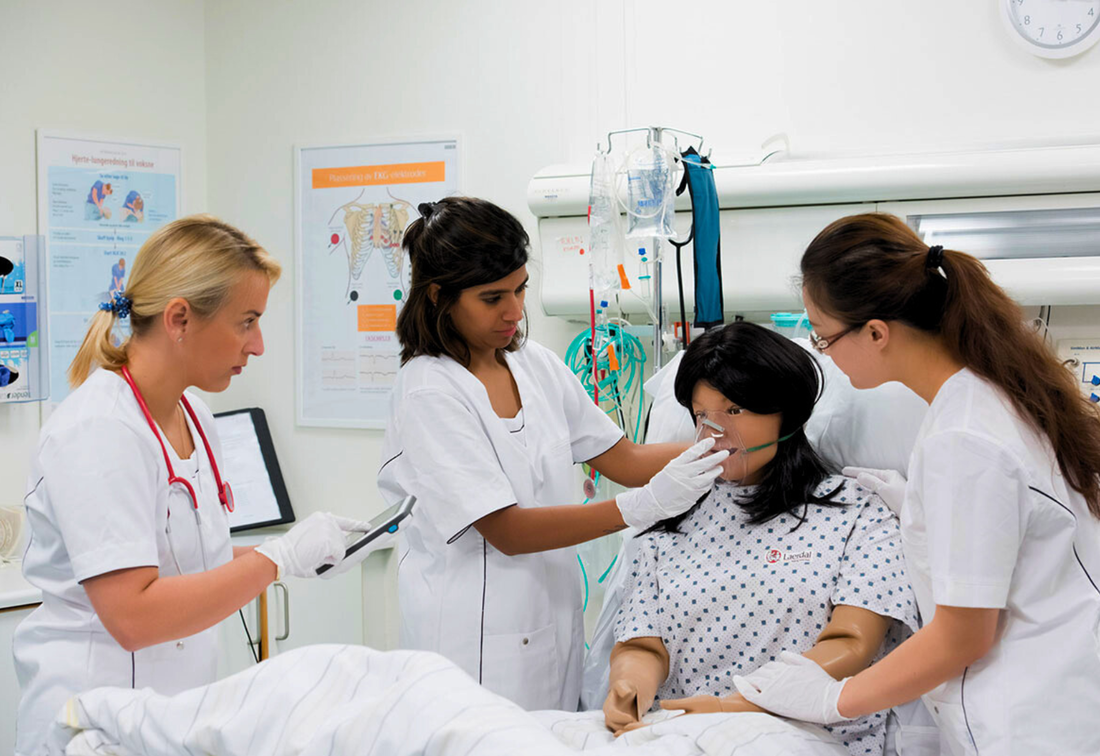
Balancing nursing technology and skills: Where does Malaysia stand?Insights from regional leaders: Upskilling nurses through training programs, simulation labs, EMR and AI
|