Asthma in adults: Identifying triggers to prevent unexpected attacksOctober 10, 2024
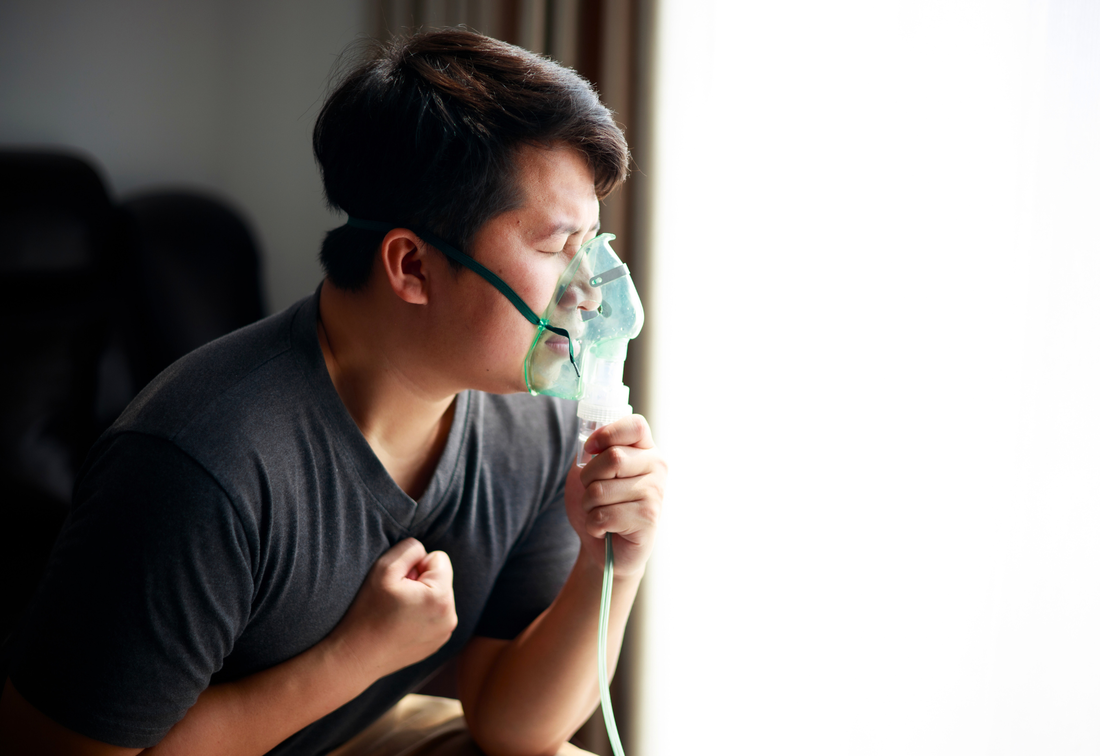
Asthma triggers can cause breathing issues, wheezing, or even unconsciousness.
An individual may experience cough, shortness of breath, chest tightness, or wheezing when they are fatigue. However, these symptoms may also indicate a more serious problem, such as asthma.
Uncommon to be wheezing Asthma is a condition characterized by inflammation that narrows the airways. This chronic inflammation can lead to symptoms such as shortness of breath, coughing, and wheezing, producing a whistling sound while breathing. Asthma, however, is not a congenital disease but it may develop later in life. Asthma attacks can occur in children or teenagers, and even in adulthood. For example, individuals with a family history of asthma or has allergic rhinitis; eczema or also known as atopic dermatitis is at higher risk of developing asthma in their lifetime. The type of asthma you have depends on how your asthma presents and what triggers your symptoms, for example:
Risk factors If exposed to certain trigger factors, a person at risk may show symptoms of an asthma attack such as breathing difficulty, productive cough, wheezing, bluish lips, or if worse, can result in altered mental consciousness. In order to diagnose asthma and differentiate it from other respiratory conditions, a respiratory specialist can identify asthma with a spirometry test on the patient by assessing the lung function and identifying the condition of their airways. Asthma attack can last from several minutes to hours or even days. The severity of the attack, ranging from mild to severe, depends on the extend of continuous exposure to triggers. If the patient remains in an environment that can trigger symptoms, such as a construction site where there is a lot of dust, then the symptoms will persist or may become more severe. In addition, individuals should be aware of their own health history and that of their family to avoid any unexpected issues, especially with history of asthma. Treatment The first step in treating asthma is to avoid factors that can trigger an attack. For instance, if the patient smokes or vapes, they should quit smoking. According to the guidelines issued by the Global Initiative for Asthma (GINA), a body established in collaboration with the National Heart, Lung and Blood Institute of the United States (US) and the US National Institute of Health with the World Health Organization (WHO), asthma cannot be cured however the symptoms can be controlled with the right treatment and proper prevention. There are two types of inhalers available for asthma patients:
The reliever inhaler, usually available in blue, contains short acting beta agonist containing Salbutamol which is also known as Ventolin. It is a bronchodilator-type inhaler that is used to widen the airways during an attack. Meanwhile, preventive inhalers are usually orange or brown in color with corticosteroid content and its function is to reduce inflammation in the respiratory tract. Both types of inhalers are also available with metered doses to make it easier to monitor the volume of the content. An untreated or poorly controlled asthma attack can pose a serious risk to the patient's life, especially if they experience status asthmaticus. This severe asthma attack can result in insufficient airflow to the lungs and respiratory failure. It can also lead to hypoxemia, a condition characterized by a lack of oxygen in the blood. Asthma will not directly weaken the immune system, but uncontrolled asthma can cause impaired lung function over time, which may weaken the body’s immune system and increase the risk of infection. Asthma is not a contagious disease. Prevention In order to improve the quality of life, adopt a healthy lifestyle and avoid factors that trigger symptoms to reduce the risk of asthma attack. The misconception that asthma patients cannot exercise is incorrect. In fact, they are even highly encouraged to exercise provided it is done properly. Exercise can strengthen respiratory muscles, improve cardiovascular endurance, and help maintain an ideal body weight. Most importantly, always start with warm-up stretching before starting any exercise. Also practice a balanced diet and consume food which are rich in antioxidants, vitamin D and omega 3 oils such as salmon, chia seeds or flaxseeds to improve overall health. |

EXPLORE FURTHER

|
Severe asthma: Managing daily reliance on quick-relief medicationsThe risks of long-term oral corticosteroid use
|

|
Childhood asthma: Identifying triggers, tailoring treatments, and embracing advances
Overlapping symptoms of asthma and the common cold
|