Debunking common myths about dengue: What you need to know
February 27, 2023
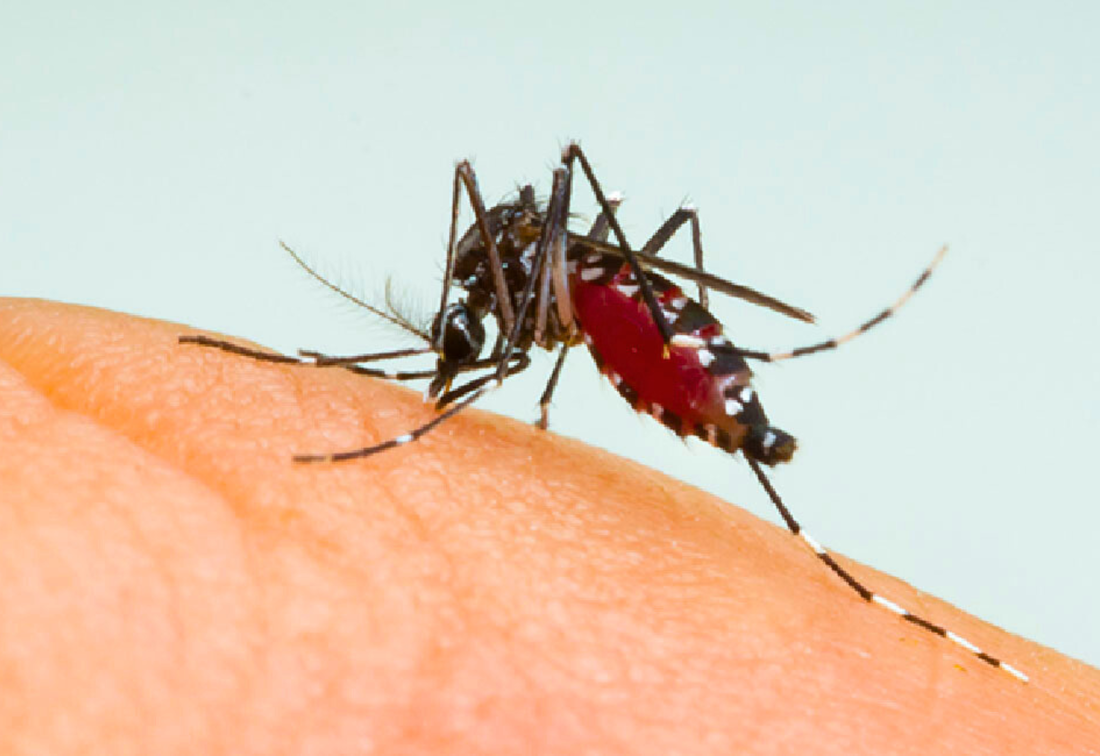
Cumulative cases of dengue infections for 2022 increased by more than 150% compared to the year before and dengue deaths increased by 180% cases up 150% in 2022.
Familiarity breeds contempt, as the saying goes, and with dengue being endemic in Malaysia, many seem to have grown complacent about the threat it poses. Others are misled by half-truths and misconceptions that may lead to more harm than good as they create a false sense of security that leaves people vulnerable to the actual dangers of dengue.
To set the record straight, here are 5 common misconceptions to clear the air. Myth no. 1: You can only get dengue once in your lifetime Fact: There are four dengue serotypes and this means a person can get infected up to four times, once with each serotype. Total immunity is only possible if a person has been infected with each of the four serotypes. However, before you start thinking it’s a good idea to get infected four times, bear in mind that subsequent infections are likely to be more serious than the first, and each infection only increases your chances of getting severe dengue. As severe dengue is a serious illness that requires hospitalization and may lead to devastating consequences such as organ failure, repeated dengue infections are definitely the wrong way to go as far as immunity is concerned. Myth no.2: As long as I don’t feel sick, there is no danger Fact: There are three different stages of dengue fever. It begins with the Febrile Phase, characterized by 1-2 days of high fever that begins suddenly. During this time, patients are likely to have body aches, headache with pain behind the eyes, flushed faces and sometimes blotchy skin or rashes. Next comes the critical phase. Ironically, this is when the fever subsides, and many people may feel that they are getting better. However, these 1-2 days are when a patient can possibly go into shock if the capillaries are leaking plasma, leading to a sudden drop in blood pressure. It is this phase which will determine if patients get better and proceed to the recovery phase (when the patients are able to reabsorb fluids and the pulse stabilizes) or get worse and suffer severe dengue. Many viral illnesses such as dengue are self-limiting, which means they will naturally subside. In most cases, patients only need self-care at home, and the most important thing to remember is to take plenty of fluids to prevent the dehydration that comes with plasma leakage. Anyone who gets dengue fever should aim to drink at least 3 liter of water daily for the first 3 days. Myth no. 3: Dengue is just a common mild illness Fact: While most people who get infected with dengue are able to recover at home, this does not mean that dengue is nothing to worry about. An estimated 1% of patients will experience severe dengue, also known as hemorrhagic dengue, which will require hospitalization. Bleeding can begin in the Febrile Phase, usually in the skin or gums and if it is not managed well, the patient’s condition can worsen during the critical phase, which is when most people are admitted. Those with a healthy immune system usually recover in 2 days, but if there is inflammation affecting the organs such as the heart, liver or brain, it can take up to a week or longer if there are complications. For people who already have low blood pressure, the symptoms may begin earlier, and women who are menstruating may experience heavier bleeding. Other signs of severe dengue include severe pain in the abdomen, persistent vomiting, rapid breathing, and blood in the vomit or stool. Myth no. 4: I can only test for dengue after 3 days Fact: It is true that the initial symptoms are vague, as a fever can be a sign of many different illnesses. But with dengue, the high fever usually comes suddenly, whereas with Covid-19, for example, the onset of fever is slower. The S1 dengue rapid antigen test can detect dengue from the first day, so don’t delay seeking medical advice if you suddenly develop a high fever. Remember, the Febrile phase only lasts 1-2 days, thereafter the critical phase is when patients can suddenly take a turn for the worse. Myth no. 5: I don’t need to do anything about dengue prevention; there is already fogging going on in my area Fact: Efforts such as fogging helps to kill adult mosquitoes and getting rid of stagnant water in public drains and other places helps to prevent breeding sites; however, these involve a lot of cost and manpower, and are only partially effective. In 2009/2010, the estimated cost was RM777 million and it is undoubtedly higher today, and there is even evidence that mosquitoes have grown resistant to the common insecticides used in fogging. Authorities are already testing new methods, such as the use of genetically modified mosquitoes in hotspots and now, there is news of a vaccine being reviewed – it will be good to have more ways to protect against dengue. However, this is not a good excuse to let down our guard. On a personal level, all of us can do something at home to help prevent mosquito bites and breeding sites. Remember, you can quarantine a person, but you can’t quarantine a mosquito; they are everywhere. We need to make a bigger effort to protect ourselves and our loved ones by making sure our home environment is clear of any breeding sites, covering up exposed skin and using mosquito repellents, especially during sunrise and sundown. There is presently no cure for dengue, nor any specific treatment that can help, not even antivirals. There is no harm in drinking fruit juices and other fluids as these can help prevent dehydration, however they are not cures. As dengue is a self-limiting illness and most people recover without the need for hospitalization, we just need to remember that our body can do the work, and we just need to help it do so. |

EXPLORE FURTHER

|
When dengue lasts beyond the fever: The hidden impact of post-dengue syndromeSevere dengue can severely affect your health, with post-dengue syndrome lingering for months
|
|
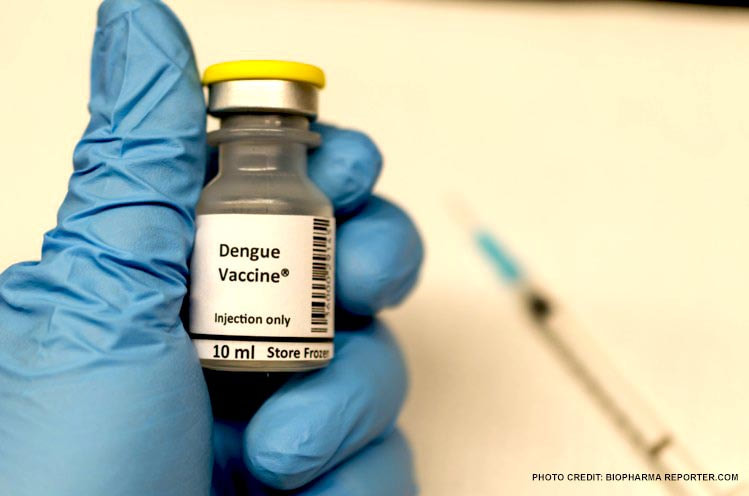
Takeda dengue vaccine candidate show long term safety results in pivotal phase 3 efficacy trialTAK-003 is based on a live-attenuated dengue serotype 2 virus
|
|
Scientists develop prototype to detect and differentiate multiple vector-borne flavivirusesTracking secreted flaviviral protein
|
|
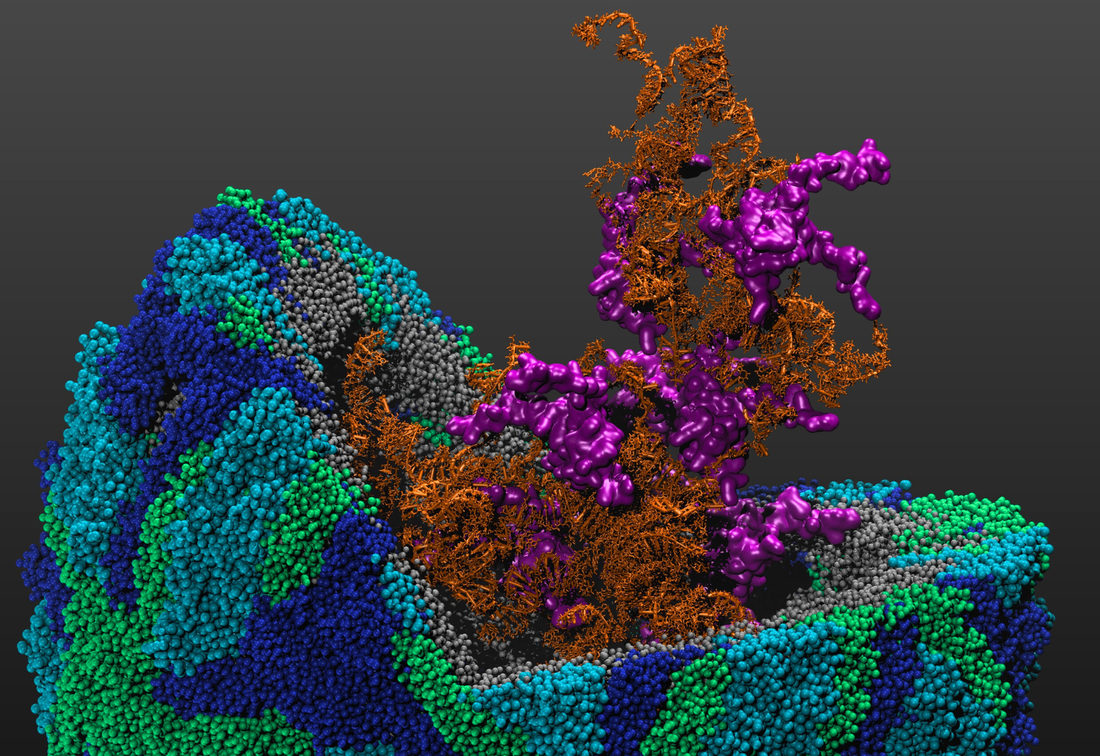
Unveiling the map to designing treatments for dengue and zika virusesStructures of four dengue and four Zika viruses
|