Diabetes treatments continue to evolveFEBRUARY 11, 2023
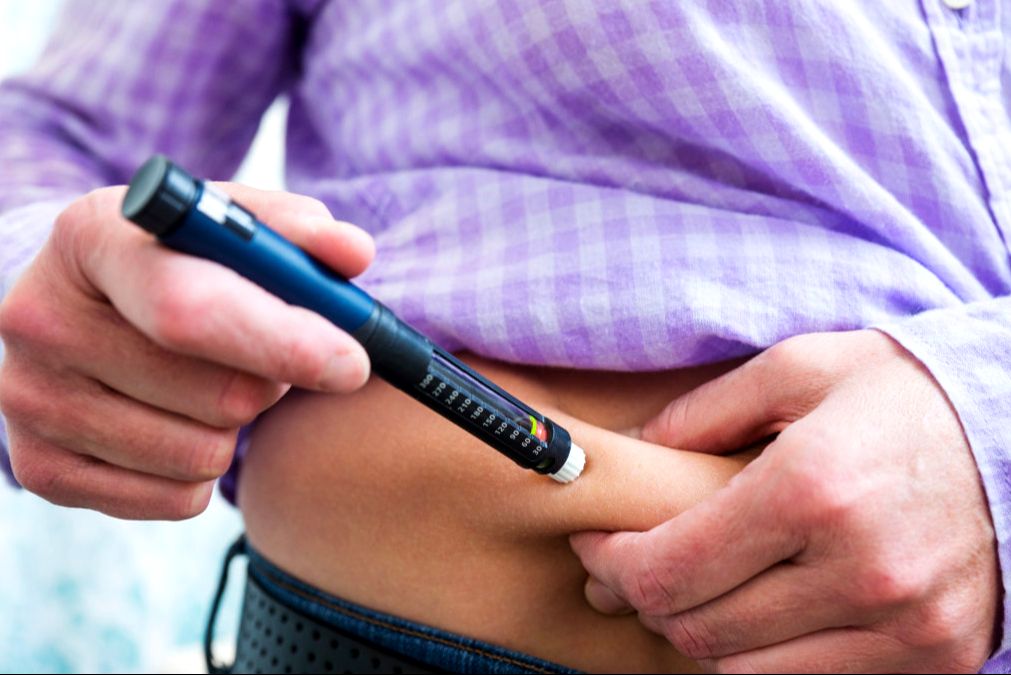
Type 2 diabetes (T2D), which is a non-communicable disease, is among the top chronic conditions that affect Malaysians. Around one in five – or 3.9 million – Malaysians aged 18 and above have T2D, according to the 2019 National Health and Morbidity Survey. It is estimated that the number to likely develop T2D will increase to seven million, or nearly one in three adults aged 18 and above, by 2025.
“The number of patients with this condition has been rising steadily over the years. According to the five-yearly National Health and Morbidity Surveys, the number of adult diabetics in the country rose from 11.2% in 2011, to 18.3% in 2019, and this trend is likely to continue in view of the high rates of prediabetes and overweight/ obesity, both conditions predicting future diabetes. T2D is a serious concern because it is a major risk factor for cardiovascular and kidney diseases. If you have diabetes, you're twice as likely to have heart disease or a stroke than someone who doesn't have diabetes—and at a younger age. T2D is also the leading cause of chronic kidney disease (CKD) and end-stage kidney disease (ESKD),” says Hospital Putrajaya consultant endocrinologist Datuk Dr Zanariah Hussein. She notes that even with multiple drugs to control diabetes, many patients still have poorly-controlled disease. “Part of this is due to the fact that many patients find it challenging to change their lifestyles, like adopting a healthier diet and exercising regularly, to help manage the disease. Another part is due to the lack of compliance with their medications, especially when they feel well. They don’t realise that the uncontrolled levels of glucose in their blood can cause problems with multiple organs, like the kidneys, eyes, nerves, heart and so on,” she says. Adherence to taking medication is crucial in diabetes to ensure that the patient’s blood glucose levels remain in the normal range all the time. A review by Teng CL et al, published in the Journal of the ASEAN Federation of Endocrine Societies, which included a meta-analysis of 10 Malaysian studies, showed that 34,2% of diabetes patients were taking less than their prescribed amount of medicines [Teng CL, Chan CW, Wong PS. Medication Adherence of Persons with Type 2 Diabetes in Malaysia: A Scoping Review and Meta-Analysis. Universiti Teknologi MARA professor of medicine and consultant endocrinologist Dr Rohana Abdul Ghani says: “Among the factors that can affect a patient’s compliance with taking medication are the number of medicines they are on, the number of times they need to take them, the number of doses they need to take, and the ease of taking the medicine.” She shares that there have been a number of innovations in diabetes treatments in recent years, aimed at helping patients better manage their disease. “The past decade has seen new therapies such as glucagon-like-peptide-1 receptor agonists (GLP-1 RAs) being developed. This class of drugs mimics the action of the natural GLP-1 hormone in the body, which increases the secretion of insulin from the pancreas according to the amount of glucose (sugar) in the body, slows down the release of glucose stored in the liver, slows down digestion and promotes the feeling of satiety (or feeling full),” she explains. Another recent innovation, she adds, is the development of an oral form of a GLP-1 RA drug which used to be available only as an injectable. In addition to treating diabetes, GLP-1 RA drugs have also been shown to have protective effects on the heart. According to National Heart Institute Senior Consultant Cardiologist Dato’ Sri Dr Azhari Rosman, clinical trials have shown that this type of drug reduces the number of cardiovascular events in people with type 2 diabetes. “These include reducing deaths due to heart problems, as well as non-fatal heart attacks and strokes,” he says. “This is very important as patients with diabetes have two to four times higher risk of dying from a heart attack or stroke, compared to those without diabetes. Therefore, a medication that can both treat diabetes and protect the heart gives extra benefit to the patient, especially as heart disease is still the number one killer in Malaysia.” |
EXPLORE FURTHER

|
Ethnic variations in glycaemic response to simple sugars and carbohydratesImpact on blood glucose levels in Caucasians versus Asians
|

|
One in 10 prediabetic individuals progress to diabetes within a yearLimitations of finger prick testing for prediabetes diagnosis
|

|
Not so sweet: The connection between erectile health and diabetesDiabetes increases the risk of developing ED 3.5 times
|

|
Women with pre-term delivery, gestational diabetes and rheumatoid arthritis at higher risk of heart diseaseThree times at higher risk of cardiovascular deaths
|

|
Can diabetes be reversed?Discover the power to reverse diabetes through nutrition and lifestyle
|

|
Diabetes: Subtle signs you should not ignoreSubtle signs include urinating often, thirsty, urinary tract infection, weight
|

|
Diabetic retinopathy: A common cause for blindness in adultsDiabetic retinopathy is the most common eye disease
|

|
Empowering children with type 1 diabetes mellitusIs complete avoidance of sweets and sugar the solution?
|