HEALTHCARE TODAY
  • IN THE SPOTLIGHT
    • MALAYSIA HEALTH & POLICY NEWS
    • GLOBAL HEALTH NEWS
  • HEALTH CONDITIONS
    • ANTIMICROBIAL RESISTANCE
    • ARTHRITIS
    • ASTHMA
    • BACK PAIN
    • BRAIN DISORDERS
    • BREAST CANCER
    • CANCER
    • CARDIOVASCULAR DISEASE
    • CERVICAL CANCER
    • CORNEAL ULCER
    • CORONAVIRUS DISEASE (COVID-19)
    • DEMENTIA
    • DENGUE
    • DENTAL PROBLEMS
    • DIABETES
    • DRUG ABUSE
    • ECZEMA
    • EYE
    • FIBROIDS
    • GASTROINTESTINAL DISEASES
    • INFLUENZA (FLU)
    • HEADACHES & MIGRAINES
    • HEPATITIS
    • HIV & AIDS
    • JOINT PAIN
    • KIDNEY DISEASE
    • LUNG CANCER
    • LUPUS
    • MELASMA
    • MENTAL HEALTH
    • MOUTH-AND-TEETH
    • OBESITY
    • OSTEOPOROSIS
    • OVARIAN DYSFUNCTION: UNDERSTANDING PREMATURE OVARIAN FAILURE, POLYCYSTIC OVARY DISEASE AND INFERTILITY
    • SEXUAL & REPRODUCTIVE HEALTH
    • SKIN CONDITIONS
    • SLEEP
    • STROKE
  • DISABILITIES & SPECIAL ABILITIES
    • ADHD and ADD
    • AUTISM SPECTRUM DISORDER
    • BLINDNESS & VISION IMPAIRMENT
    • CEREBRAL PALSY
    • DOWN SYNDROME
    • RARE DISEASES
  • NURSING RESOURCES
  • DIGITAL HEALTH
  • HEALTH PRODUCTS & SERVICES
  • RELATIONSHIPS
  • FAMILY HEALTH & PARENTING
  • EMPOWERING WOMEN
  • MEN'S WELLNESS
  • GOLDEN YEARS
  • ACTIVE LIFE HUB
  • NUTRITION
  • COMPLIMENTARY MEDICINE
  • HUMANITARIAN & COMMUNITY HEALTH
  • AMBULANCE AND FIRST AID GUIDE
  • Community clinics/ Klinik Komuniti
  • Government Dental Clinics / Klinik Pergigian Kerajaan
  • ABOUT US

Hypertensive heart disease: Leading cause of high blood pressure mortality

February 1, 2019
Healthcaretoday, Dr G.S. Sridhar, Sri Kota Specialist Medical Centre, Hypertensive heart disease, high blood pressure,  cardiovascular health, heart disease, ECG, cardiomyopathy, hypertension, Angina, heart failure, Cardiology,  heart symptoms,
Hypertensive heart disease is a significant health concern that arises from prolonged high blood pressure, leading to various cardiovascular complications. This condition is a type of cardiomyopathy, primarily characterized by the heart's left ventricle responding to the biomechanical stress induced by uncontrolled or poorly managed hypertension. Understanding the implications of hypertensive heart disease is crucial for prevention and management.

What is hypertensive heart disease?
According to Dr G.S. Sridhar, a consultant cardiologist at Sri Kota Specialist Medical Centre, high blood pressure means that the pressure within the arteries is excessively high. As the heart pumps against this increased pressure, it must exert more effort, leading to the thickening of the heart muscle over time. This condition can remain asymptomatic for years, allowing individuals to be unaware of their high blood pressure until significant damage occurs.

The consequences of prolonged high blood pressure
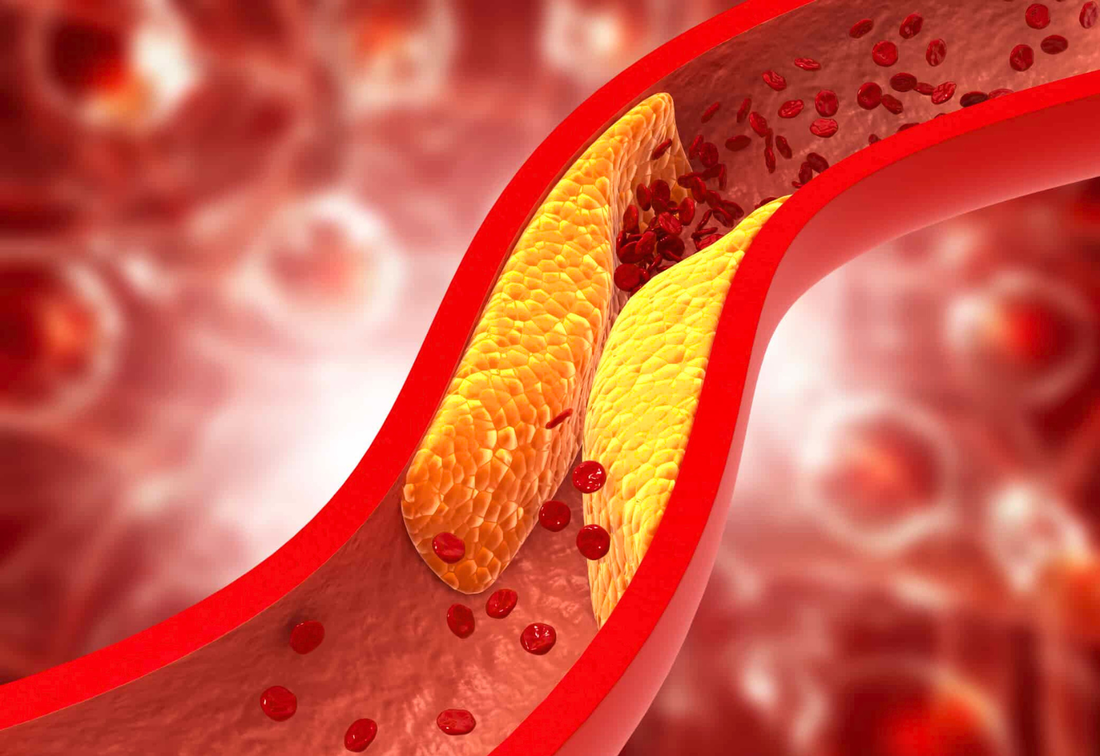
As the heart muscle thickens, it may eventually become oxygen-deprived, potentially causing angina, or chest pain. Without effective blood pressure management, the heart can weaken, leading to heart failure. Moreover, high blood pressure contributes to the thickening of blood vessel walls. When combined with cholesterol deposits, this increases the risk of heart attacks and strokes. Hypertensive heart disease has emerged as the leading cause of illness and mortality linked to high blood pressure.

Who is at higher risk?
The primary risk factor for hypertensive heart disease is sustained high blood pressure. Several additional factors can increase an individual's risk:
  • Obesity: Being overweight places extra strain on the heart.
  • Sedentary lifestyle: Lack of physical activity contributes to poor cardiovascular health.
  • Smoking: Tobacco use damages blood vessels and increases blood pressure.
  • Diet: Consuming foods high in fat and cholesterol can lead to arterial blockages.
  • Genetics also play a role; individuals with a family history of heart disease are more susceptible. Men typically face a higher risk than premenopausal women, though this risk equalizes post-menopause. Age is another contributing factor; the likelihood of developing heart disease increases with advancing age for both sexes.

Dr Sridhar notes that men often present with symptoms in their 40s to 50s, while women tend to show symptoms later in life, particularly after menopause due to hormonal changes.

Recognizing the symptoms
Symptoms of hypertensive heart disease can vary significantly based on the severity and progression of the condition. Some individuals may experience no symptoms at all, while others may present with:
  • Chest pain (angina)
  • Tightness or pressure in the chest
  • Shortness of breath
  • Fatigue
  • Pain in the neck, back, arms, or shoulders
  • Persistent cough
  • Loss of appetite
  • Swelling in the legs or ankles

One of the most common symptoms reported by patients is lower limb swelling, often accompanied by difficulty breathing, exertional angina, and chest pain. Recognizing these symptoms early can be vital for timely intervention.

Diagnostic approaches
Diagnosing hypertensive heart disease involves a combination of clinical examination and imaging techniques. Dr Sridhar explains that during a clinical examination, abnormal heart sounds may be detected, and patients may present with leg swelling and signs of fluid retention in the lungs.

Key diagnostic tests
Electrocardiogram (ECG): This test monitors and records the heart's electrical activity. Electrodes are attached to the chest, arms, and legs to capture data that the doctor interprets.

Echocardiogram: An ultrasound test that provides detailed images of the heart, allowing for the assessment of its structure and function.

Coronary angiography: This procedure examines blood flow through the coronary arteries using a catheter inserted through the groin or arm.

Exercise stress test: Evaluates how exercise impacts heart function. Patients may be asked to walk on a treadmill or pedal an exercise bike.

Nuclear stress test: This test assesses blood flow to the heart during rest and exercise, providing insights into cardiovascular health.

Hypertensive heart disease is a serious condition resulting from long-term high blood pressure. Recognizing the risk factors, symptoms, and diagnostic methods is essential for effective management and prevention. Regular check-ups and lifestyle modifications can significantly reduce the risk of developing this condition, ensuring better heart health for years to come.

ADVERTISEMENT

EXPLORE FURTHER


Picture

Cardiovascular disease: Understanding the silent threat to your heart

​Exploring the complexities of heart health and its systemic impact
Picture

The importance of blood pressure readings: Debunking the morning reading misconception

​Interpreting your blood pressure and its implications
Picture

Cholesterol and atherosclerotic cardiovascular disease: Understanding the silent threat

​Why high cholesterol is a growing concern and how to combat it
Picture

Pet licks can cause mild respiratory symptoms to endocarditis, warns specialist

​​Understanding zoonoses and their impact on humans
MORE ON CARDIOVASCULAR DISEASE
Picture
Get our wellness newsletter
​Filter out the noise and nurture your inbox with health and wellness advice that’s inclusive and rooted in medical expertise.
Subscribe to Newsletter
About Us
©2018 - 2025 ©Healthcare Today Media Network Sdn Bhd.
All rights reserved. The material in this site is intended to be of general information use and is not intended to constitute medical advice, probable diagnosis or recommended treatments.          
  • IN THE SPOTLIGHT
    • MALAYSIA HEALTH & POLICY NEWS
    • GLOBAL HEALTH NEWS
  • HEALTH CONDITIONS
    • ANTIMICROBIAL RESISTANCE
    • ARTHRITIS
    • ASTHMA
    • BACK PAIN
    • BRAIN DISORDERS
    • BREAST CANCER
    • CANCER
    • CARDIOVASCULAR DISEASE
    • CERVICAL CANCER
    • CORNEAL ULCER
    • CORONAVIRUS DISEASE (COVID-19)
    • DEMENTIA
    • DENGUE
    • DENTAL PROBLEMS
    • DIABETES
    • DRUG ABUSE
    • ECZEMA
    • EYE
    • FIBROIDS
    • GASTROINTESTINAL DISEASES
    • INFLUENZA (FLU)
    • HEADACHES & MIGRAINES
    • HEPATITIS
    • HIV & AIDS
    • JOINT PAIN
    • KIDNEY DISEASE
    • LUNG CANCER
    • LUPUS
    • MELASMA
    • MENTAL HEALTH
    • MOUTH-AND-TEETH
    • OBESITY
    • OSTEOPOROSIS
    • OVARIAN DYSFUNCTION: UNDERSTANDING PREMATURE OVARIAN FAILURE, POLYCYSTIC OVARY DISEASE AND INFERTILITY
    • SEXUAL & REPRODUCTIVE HEALTH
    • SKIN CONDITIONS
    • SLEEP
    • STROKE
  • DISABILITIES & SPECIAL ABILITIES
    • ADHD and ADD
    • AUTISM SPECTRUM DISORDER
    • BLINDNESS & VISION IMPAIRMENT
    • CEREBRAL PALSY
    • DOWN SYNDROME
    • RARE DISEASES
  • NURSING RESOURCES
  • DIGITAL HEALTH
  • HEALTH PRODUCTS & SERVICES
  • RELATIONSHIPS
  • FAMILY HEALTH & PARENTING
  • EMPOWERING WOMEN
  • MEN'S WELLNESS
  • GOLDEN YEARS
  • ACTIVE LIFE HUB
  • NUTRITION
  • COMPLIMENTARY MEDICINE
  • HUMANITARIAN & COMMUNITY HEALTH
  • AMBULANCE AND FIRST AID GUIDE
  • Community clinics/ Klinik Komuniti
  • Government Dental Clinics / Klinik Pergigian Kerajaan
  • ABOUT US