Is Thiamidol a safer, more effective alternative to Hydroquinone?October 30, 2024


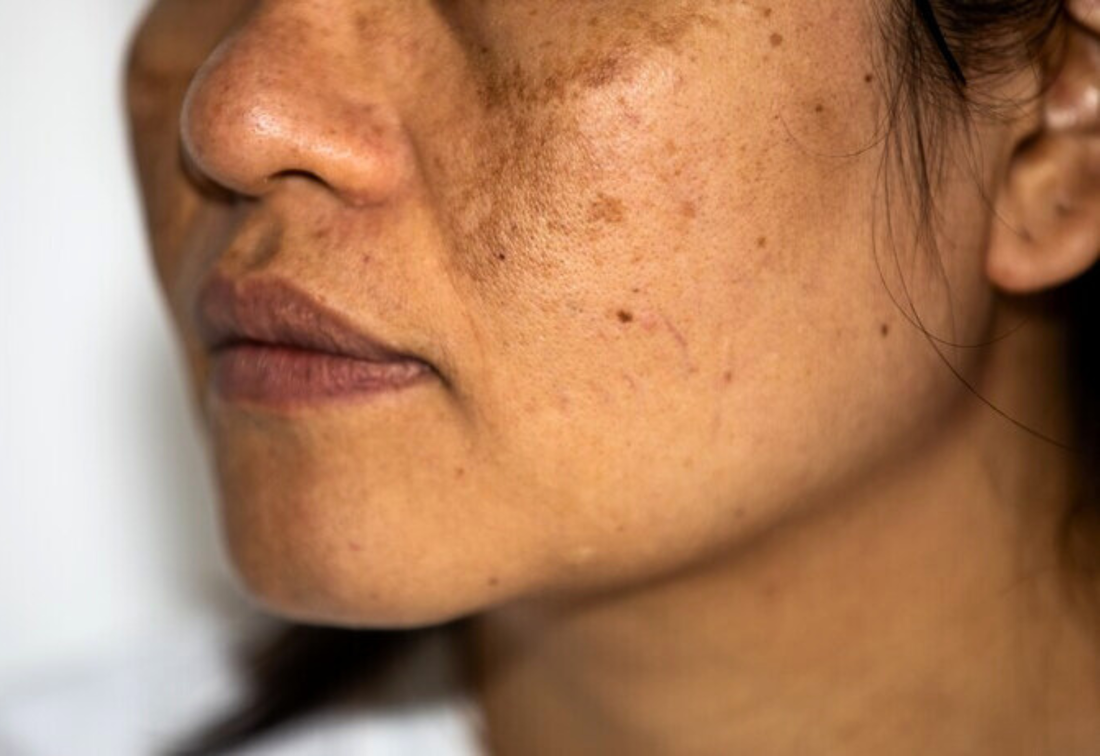
Melasma, a common skin condition characterized by dark patches, is traditionally viewed as a disorder affecting melanocytes, the cells responsible for skin pigmentation. However, a comprehensive 2018 study by researchers Soon-Hya Kwon, Jung-Im Na, Ji-Young Choi, and Kyoung-Chan Park highlights that melasma may also involve photoaging, with histopathologic features like solar elastosis, altered basement membrane, increased vascularization, and a heightened presence of mast cells. This suggests that melasma may require anti-aging treatment approaches in addition to pigmentation control.
Pulse-width radiofrequency (PWRF): A targeted approach Given melasma’s complex pathology, Pulse-Width Radiofrequency (PWRF) emerges as a promising treatment. Unlike continuous radiofrequency, PWRF employs short pulses for selective coagulation, targeting specific areas without impacting surrounding tissues. "PWRF creates a selective thermal effect on the basement membrane and blood vessels, which are associated with pigmentation and vascular lesions," explains Dr Tiffany Tee Xiang Jie (pix), a licensed medical aesthetic and occupational health practitioner at Clique Clinic. Dr Tiffany recently presented her findings on innovative melasma care, incorporating Thiamidol and pulsed radiofrequency microneedling, at the Aesthetic Medicine & Surgery Conference & Exhibition (AMSC). With its capacity to clear senescent cells while creating space for young fibroblasts, PWRF fosters the renewal of skin tissue. According to Dr Tiffany, it specifically targets abnormal blood vessels and superficial structures, improving melasma symptoms without damaging healthy surrounding tissue. This precision allows for more effective and safer results compared to broader treatments that risk harming unaffected areas. The role of heat in collagen stimulation PWRF generates multiple pulses that reach depths of 0.3mm, directly targeting the papillary dermis. At temperatures between 42-45°C, PWRF stimulates fibroblasts, encouraging collagen production, particularly Type I and Type III collagen, which plays a critical role in wound healing and skin remodeling. These controlled thermal reactions lead to collagen shrinkage, structural changes in proteins, and ultimately an improvement in skin firmness and elasticity. After PWRF treatment, studies indicate a sustained improvement in melasma symptoms, with the treated side showing long-lasting stability and even further improvement over time. In contrast, untreated melasma areas are more likely to worsen without intervention. The importance of topical treatments While treatments like PWRF show significant promise, effective melasma management also requires a diligent topical skincare routine. This is particularly essential as many patients experience sensitivity to topical agents, leading to non-compliance. Hydroquinone, once the gold standard for melasma treatment, is increasingly replaced by safer alternatives due to its potential side effects. “Melasma management guidelines offer various therapeutic inhibitors, including new options that may be more effective and safer than hydroquinone,” Dr Tiffany notes. She points out that novel tyrosinase inhibitors are paving the way for more sustainable topical melasma solutions. Innovations in topical melasma treatments Recent advancements in melasma treatment highlight the potential of newer topical agents. According to an article published in the American Journal of Clinical Dermatology, Thiamidol is a powerful and reversible tyrosinase inhibitor, providing a safer and potentially more effective alternative to hydroquinone. Other emerging agents include:
Oral and laser treatments in melasma management Oral treatments, such as Polypodium leucotomos, have shown antioxidant properties that inhibit UV-induced oxidative stress, which is associated with melasma. Another promising oral agent, Pycnogenol, provides anti-tyrosinase activity along with antioxidant and vaso-modulating effects, supporting the prevention of pigment formation. Laser treatments, including QS Nd and picosecond lasers, offer controlled photothermolysis, directly targeting melanosomes to break down pigment. In combination with topical agents, lasers can enhance the delivery and efficacy of treatments, leading to more pronounced melasma improvements. A new triple combination cream with Thiamidol A 2023 clinical study, published in Dermatologic Surgery, evaluated a novel triple combination cream that includes isobutylamino-chiazolyl-resorcinol (a derivative of Thiamidol), retinoic acid, and a corticosteroid. This combination provides a compelling alternative to the long-standing Kligman’s trio, which consists of hydroquinone, retinoic acid, and a corticosteroid but is often associated with adverse effects. The study concluded that this new formulation may offer comparable efficacy with fewer side effects, making it an appealing option for patients seeking effective melasma treatment. The researchers noted that while Kligman’s trio remains the gold standard for melasma, this novel alternative could provide long-term results with enhanced tolerability. What lies ahead in melasma treatment? As the understanding of melasma’s pathology deepens, so does the development of targeted, safer, and more effective treatments. The latest research underscores melasma’s complexity, treating it as more than just pigmentation but as a photoaging condition requiring a multifaceted approach. Whether through advanced radiofrequency treatments, innovative topical and oral therapies, or precise laser interventions, the future of melasma care is promising. For those affected, consulting with qualified dermatologists and aesthetic practitioners can provide individualized guidance, maximizing the benefits of emerging therapies and minimizing potential risks. |
EXPLORE FURTHER
|
Tackling the complexities of chronic hyperpigmentationA comprehensive approach to managing multifactorial melasma with emerging treatment strategies
|

|
Melasma: A photoaging disorder or pigmentation?A look into the effectiveness of fractional ruby and picosecond lasers
|