Life skills education in schools: A key to reducing depression, anxiety among children and adolescents
February 14, 2025

In recent years, mental health disorders among children and adolescents have emerged as a pressing public health concern. Estimates suggest that 10% to 20% of young people globally have experienced mental health issues, with higher prevalence rates among socioeconomically disadvantaged groups and those lacking adequate health services.
Adolescence, a critical developmental stage, is marked by significant physical, emotional, and social changes that can make young individuals particularly vulnerable to mental health problems. Alarmingly, nearly half of all mental health conditions manifest before the age of 14, leading to long-term consequences such as poor academic performance, increased risky behaviors, and diminished productivity. Among the most prevalent mental health conditions affecting youth are anxiety and depression. If left untreated, these disorders can persist into adulthood, significantly impairing quality of life. According to research, depression is the leading cause of disability among teenagers, affecting 2% to 8% of this age group, with a notable spike during puberty. The statistics are sobering: approximately 40% of those affected experience recurrent episodes, and a concerning percentage contemplate or attempt suicide. The role of schools in mental health interventions Schools represent an ideal environment for addressing mental health issues. They offer structured settings where adolescents can practice cognitive and social skills while benefiting from supportive relationships. School-based mental health programs can help mitigate barriers to treatment, such as cost, location, and stigma, providing accessible and non-threatening alternatives. Life skills education is a structured program designed to equip children and adolescents with essential skills to navigate daily challenges effectively. According to the World Health Organization, life skills are defined as "abilities for adaptive and positive behavior that enable individuals to deal effectively with the demands and challenges of everyday life." Grounded in Albert Bandura's social learning theory, life skills education encompasses critical thinking, emotional coping, self-awareness, decision-making, and communication skills. Benefits of life skills training Research has shown that life skills interventions can significantly reduce levels of depression, anxiety, and stress among children and adolescents. A systematic review of studies conducted across various countries, including Malaysia, Taiwan, Iran, India, Uganda, Kenya, and Australia, revealed that life skills education effectively promotes positive mental health and equips young people with the tools to overcome challenges (Effectiveness of Life Skills Intervention on Depression, Anxiety and Stress among Children and Adolescents: A Systematic Review by: Sherif Y, et.al 2023). Life skills training not only enhances mental well-being but also fosters academic success and social competence. Students who engage in these programs often report improved coping mechanisms, greater self-confidence, and better interpersonal relationships. By addressing mental health concerns early on, life skills education can lead to healthier behaviors, higher educational achievement, and increased productivity in later life. Cultural and gender considerations Understanding the cultural context in which life skills are taught is crucial. For instance, programs tailored to specific ethnic and cultural backgrounds have shown greater effectiveness in instilling life skills. Additionally, gender disparities in mental health symptoms highlight the need for gender-sensitive approaches in life skills training. Research indicates that females may experience higher levels of internalizing problems, while males often exhibit externalizing behaviors. Recognizing these differences can enhance the effectiveness of interventions. Recommendations for future action To combat the growing mental health crisis among youth, it is essential to integrate life skills education into school curricula. Policymakers and educators should prioritize the development of comprehensive life skills programs that consider cultural, gender, and age-specific factors. Furthermore, leveraging technology, such as internet applications, can facilitate access to life skills resources, ensuring that all children and adolescents benefit from this vital training. |
|


EXPLORE FURTHER

|
Mastering emotional resilience at work on Mondays: A guide to starting the week strongStrategies to empower you to face the week with confidence and effectiveness.
|
|
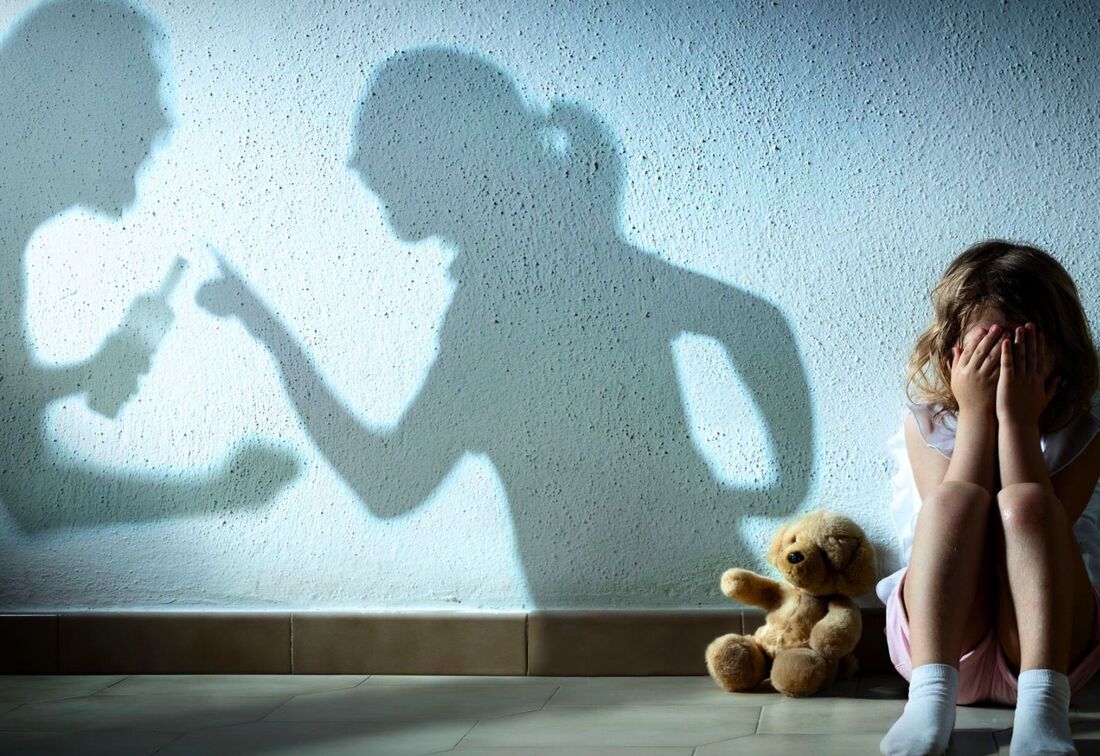
The devastating impact of domestic violence on children: From childhood obesity to adult relationship challengesHealing childhood trauma for adult well-being
|

|
I need help..." - The silent cries of students suffering from mental health issuesIdentifying key behavioral changes indicating potential mental health issues
|

|
Four vital components to well-beingHolistic approach to mental health: Physical, psychological, social, and spiritual
|

|
Are you in a physical - psychological abusive relationship? Key provisions for abuse victimsThe dynamics of psychological and financial abuse in relationships
|

|
The devastating effects of domestic violence on pregnant women, fetus and childrenImpact of domestic abuse on children's development and future behavior
|
|
Are you sad or depressed? How do you differentiate the two?Distinguishing grief from depression
|
|
How mental health affects your lifeExploring the three key areas affected by mental health issues
|

|
Survey reveals mental health and stress continue to affect organisation's bottom lineImpact of health-related absences on Malaysian workplace productivity
|
|
A call to create hope for the suicidalAddressing the urgency of suicide prevention
|

|
Low rate hospital admission for schizophrenia patients after a year in community psychiatric and rehab serviceUnderstanding schizophrenia: Symptoms, treatment, and the impact on lives
|
|
One psychiatrist per 100,000 population insufficient, says associate professorAddressing the mental health crisis: Awareness, education, and support in Malaysia
|

|
Arson, animal cruelty and lack of remorse - traits of personality disorders to look out for in a personPatterns of behavior and their impact on relationships
|

|
When mental illness is mistaken for demonic possessionDebunking myths: Understanding mental illness beyond historical misconceptions
|

|
The psychology behind public masturbation and indecent exposureExploring paraphilias: Understanding fetishes and sexual arousal disorders
|

|
Eating disorders - A mental health issueEssential facts about mental health and psychiatric disorders
|