Nocturia: Sleep disruption from having to urinate at nightMarch 10, 2020 @ 2.53PM
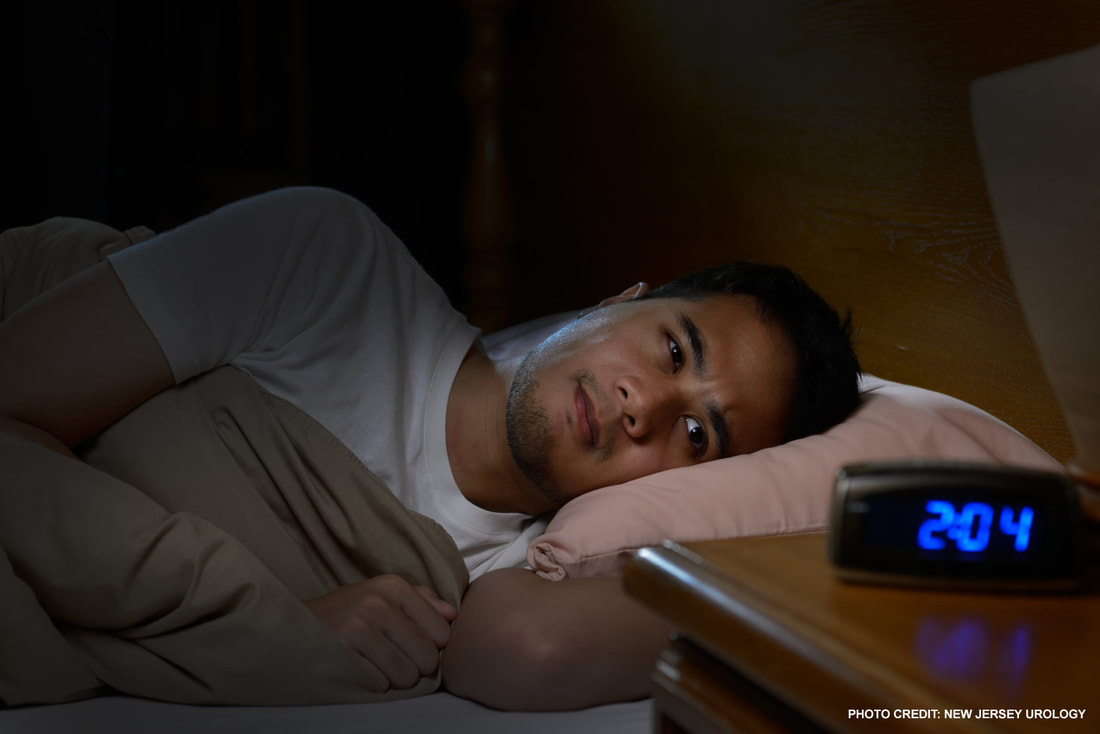
Contrary to common misconception, nocturia affects not only the elderly but younger adults too.
To the average Malaysian, waking up nightly for a toilet call is perhaps a norm: be it during cooler, rainy nights or whether it’s during the hot and dry season when consuming more water before bedtime to keep cool and hydrated through the night.
While waking up once for nighttime urination is not problematic as such, doing so twice or more nightly can be more than simply bothersome to the individual’s sleep patterns. This necessity of waking up one or more times to void is medically known as nocturia and can affect both men and women. According to a population-based study on the prevalence of nocturia among Malaysian adults carried out from May to September 2019, the overall prevalence of nocturia (with at least one void per night) was 57% with an increasing prevalence in older population. More than half (56%) of the 4,616 respondents believe that nightime urination is not a medical condition. And even more alarming is that among the 2,646 respondents with nocturia, 62% held to the belief that nocturia is not a medical condition and 74% of them have not sought medical attention for their condition. While almost 40% of survey respondents with nocturia identified their excessive water consumption in the late evening as the most prevailing practice, there are possible underlying and deeper health issues with nocturia that are cause for concern including, hypertension, diabetes, or kidney disease. Younger adults experience nocturia too Contrary to common misconception, nocturia affects not only the elderly but younger adults too. According to a 2017 research report on nocturia published in the International Journal of Clinical Practice, 2% to 18% of those aged between 20 - 40 years are affected by clinically relevant nocturia (night-time urination of twice or more nightly). The 2019 Malaysian population-based study found that 66% of respondents aged 31 to 40) wake up to pee at least once nightly and up to 58% of those aged 51 and older already display symptoms of nocturia. Evidently, nocturia does not discriminate age! About 60% of those affected by sleep disturbance due to nocturia experience fatigue, 43% have trouble concentrating and 41% experience bad mood, which can lead to reduced productivity, immunity and quality of life. It can also cause depression, affect cognitive and memory impairment and increase risks of Alzheimer’s disease. Those with nocturia are also at risk of falling, prone to traffic accidents and occupational hazards, and if it escalates further, it can put them at risk of cardiovascular disease and diabetes. The results of the 2019 population-based survey indicate that of the 2,646 respondents with nocturia, 19% have cardiovascular disorders including hypertension, heart failure or hypotension, 17% snoring problems and 14% have metabolic disorders including diabetes and thyroid disorders. Those with grave concerns of possible nocturia should seek medical advice from health care professionals to rule out any underlying medical conditions. Lifestyle changes to prevent nocturia For those who have nocturia, the good news is that it is treatable. The silver lining is that one of the first-line treatments for nocturia is making concrete lifestyle changes that can prevent the onset of more serious health problems.
|
EXPLORE FURTHER

|
The secret to feeling rested the next day? Sleep smarterTired even after eight hours of sleep? Here’s why quality trumps quantity when it comes to real rest.
|

|
Insomnia: A silent threat to physical and mental healthUnderstanding the causes, symptoms, and effective treatments for a better night's sleep
|