Nutrition vs. dot-com doctors: Debunking cancer mythsSeptember 3, 2019
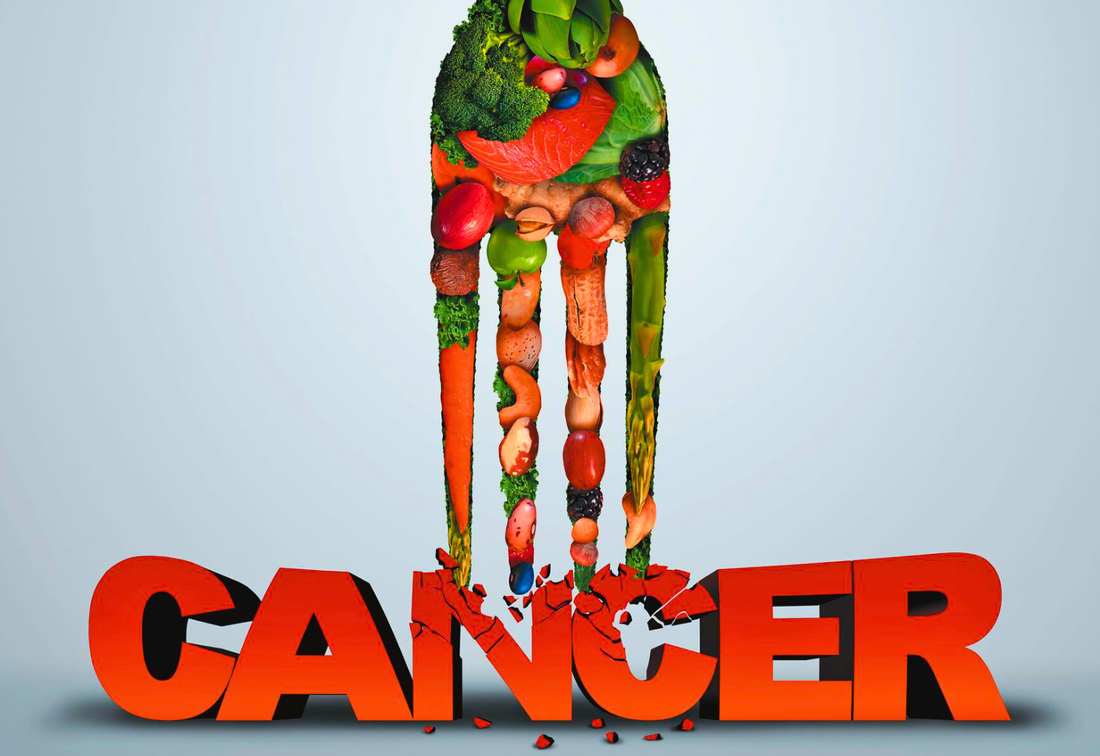
In the age of social media, a surge of self-proclaimed doctors and dieticians has inundated our feeds. Amidst a sea of wellness advice, one topic of particular interest centers around lifestyle and dietary choices purported to prevent cancer. However, separating fact from fiction in this digital era can be a daunting task.
Myths and misconceptions: Unmasking the culprits Countless myths have proliferated, linking cancer to seemingly innocuous dietary habits. Claims range from the idea that consuming rice, non-organic foods, or microwaved meals can cause cancer. But do these claims hold any scientific merit? According to Lim Chooing, a dietician affiliated with the National Cancer Society Malaysia, the cultivation methods of organic food may indeed yield produce that is higher in nutritional value and free from pesticides. This leads to the notion that organic foods could potentially lower the risk of cancer. However, it is crucial to emphasize that there is no concrete evidence suggesting that the consumption of non-organic foods inherently leads to cancer. Furthermore, the idea of a "superfood" with mystical cancer-preventing properties remains unsubstantiated. Chooing aptly points out, "There is no superfood to prevent cancer." Instead, she advocates for a more holistic approach to nutrition and cancer prevention. The path to cancer prevention: A plant-based focus For those seeking to reduce their cancer risk, Chooing offers practical advice rooted in nutrition science. She recommends a diet that places a strong emphasis on plant-based foods, with a quarter of the plate reserved for protein sources such as chicken breast, tofu, or soy-based products. One of the most critical dietary factors Chooing highlights is sugar consumption. Excessive sugar intake has been linked to various health problems, including obesity and type 2 diabetes, which can indirectly elevate cancer risk. By cutting down on sugar consumption, individuals can take a significant step towards reducing their cancer risk. Additionally, Chooing advises against the consumption of fast food, preserved foods, and processed snacks like chips and sausages. These highly processed and often high-fat foods not only contribute to weight gain but are also associated with an increased risk of colorectal cancer. By eliminating or significantly reducing these items from one's diet, individuals can make a proactive effort to safeguard their health. In conclusion, amidst the cacophony of online wellness advice, it's essential to rely on evidence-based recommendations when it comes to cancer prevention. While the internet may be rife with myths, a sensible approach to nutrition, such as a plant-based diet with a focus on quality protein sources and reduced sugar intake, can indeed contribute to a healthier life and a lowered risk of cancer. As we navigate the information age, let us prioritize sound science over sensationalized claims for the sake of our well-being. |

- IN THE SPOTLIGHT
-
HEALTH CONDITIONS
- ANTIMICROBIAL RESISTANCE
- ARTHRITIS
- ASTHMA
- BACK PAIN
- BRAIN DISORDERS
- BREAST CANCER
- CANCER
- CARDIOVASCULAR DISEASE
- CERVICAL CANCER
- CORONAVIRUS DISEASE (COVID-19)
- DEMENTIA
- DENGUE
- DENTAL PROBLEMS
- DIABETES
- DRUG ABUSE
- EAR, NOSE AND THROAT
- ECZEMA
- EPILEPSY
- EYE
- FIBROIDS
- GASTROINTESTINAL DISEASES
- INFLUENZA (FLU)
- HEADACHES & MIGRAINES
- HEPATITIS
- HIV & AIDS
- JOINT PAIN
- KIDNEY DISEASE
- LUNG CANCER
- LUPUS
- MELASMA
- MENTAL HEALTH
- MOUTH-AND-TEETH
- OBESITY
- OSTEOPOROSIS
- OVARIAN DYSFUNCTION: UNDERSTANDING PREMATURE OVARIAN FAILURE, POLYCYSTIC OVARY DISEASE AND INFERTILITY
- SEXUAL & REPRODUCTIVE HEALTH
- SKIN CONDITIONS
- SLEEP
- STROKE
- DISABILITIES & SPECIAL ABILITIES
- NURSING RESOURCES
- DIGITAL HEALTH
- HEALTH PRODUCTS & SERVICES
- RELATIONSHIPS
- FAMILY HEALTH & PARENTING
- EMPOWERING WOMEN
- MEN'S WELLNESS
- GOLDEN YEARS
- ACTIVE LIFE HUB
- NUTRITION
- COMPLIMENTARY MEDICINE
- HUMANITARIAN & COMMUNITY HEALTH
- AMBULANCE AND FIRST AID GUIDE
- Community clinics/ Klinik Komuniti
- Government Dental Clinics / Klinik Pergigian Kerajaan
- ABOUT US