Over 360,000 people pledge for flu prevention
December 13, 2020
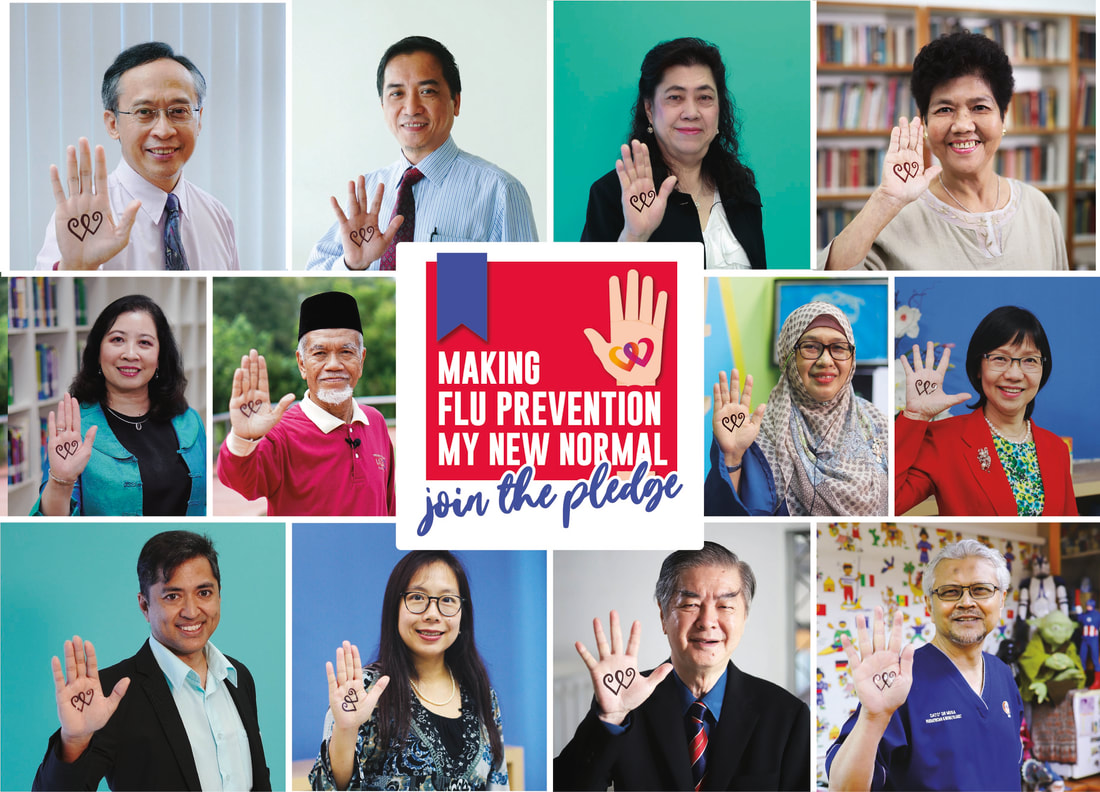
Over 360,000 people have come forward to support a ‘Making Flu Prevention My New Normal’ pledge drive.

Having a cough, fever, and body aches? You might be wondering whether it could be Covid-19 or the flu, but neither you nor your doctor will be able to tell the difference until you get tested for both of these infectious diseases.
You might be relieved if the doctor says you do not have Covid-19. However, your jubilation would be short lived if you are found to be suffering from severe flu, instead. Professor Datuk Dr Zulkifli Ismail, Technical Committee Chairman of the Immunise4Life program, says: “Everyone is afraid of Covid-19 and for good reason, too. However, we must not lose sight of influenza or the flu. “In some cases, the flu can lead to life-threatening complications (such as pneumonia and multi-organ failure) that may lead to death. It can also worsen medical conditions like heart disease, asthma and diabetes. “Anyone can catch the flu. However, certain people are more likely to develop severe flu and flu complications. They include those with long-term medical conditions (heart disease, high blood pressure or diabetes), immunocompromised persons, pregnant women, children below 5 years of age, and adults over 60.” “It is recommended that these individuals be vaccinated every year against the flu. It is one of the best tools available to help prevent severe illness and complications arising from the disease. It will spare them the personal distress of getting hospitalised for the flu and avert the need to take up vital medical resources that would otherwise go to Covid-19 and other patients during the pandemic. Professor Zulkifli adds: “Young and healthy people will also benefit from an annual flu shot. It will help reduce the risk of getting infected and enable them to keep working, especially in these tough economic times. “Even if you don’t think you will get really sick from the flu, you should still get vaccinated so that you do not get infected and pass it on to a vulnerable loved one, such as a young child or an elderly parent.” It is also possible to have both the flu and Covid-19 at the same time, observes Professor Dr Zamberi Sekawi, Chairman of the Malaysian Influenza Working Group. A confluence of Covid-19 and influenza The consultant clinical microbiologist said that there is a worry that Malaysia might be facing a confluence of Covid-19 and influenza as our flu cases usually start to increase during the end of the year until the first few months of the following year. “It is bad news to get either disease, but worse if you get both. This is why it is very important for everyone, especially those in the high-risk groups, to get vaccinated against the flu now, before the usual spike in hospitalizations due to influenza occurs in the upcoming months, as that will at least protect them against one of these two infectious diseases.” Professor Dr Zamberi Sekawi advised the public to get their flu shot annually. He explained: “Flu vaccines need to be updated every year to make them more effective in fighting the anticipated circulating virus strains.” He assured the public that flu vaccines available in Malaysia are approved by our Ministry of Health (MOH) as being safe for use. “Flu vaccines have a proven safety record and are well tolerated among all age groups. Like most drugs and other vaccines, the flu vaccine might have some side effects, but they are mild and usually resolve in a couple of days. Examples of the common side effects may include low-grade fever, pain swelling or redness at the site of injection, muscle aches and headaches. “Recognizing the safety of flu vaccination, many governments around the world have not hesitated to offer free flu vaccination, especially to senior citizens under their national immunization programs. “In Malaysia, MOH provides flu vaccination to frontline healthcare workers as well as patients in high-risk groups such as individuals suffering from chronic obstructive pulmonary disease (COPD), diabetes and heart disease”, he concluded. Flu vaccines eligible for tax relief next year onwards For the first time next year, the cost of flu vaccines will be eligible for tax relief when taken by one’s self, spouse and/or children. Getting vaccinated is also a smaller price to pay compared to the time and money lost if you or one of your loved ones has to be hospitalized due to complications from the flu, especially for the elderly and others at high risk of developing severe flu. While getting vaccinated against the flu does not mean a 100% guarantee against developing influenza, it does mean that if you do get infected, you will experience far milder symptoms compared to someone unvaccinated. In the last few months, over 360,000 people have come forward to support a ‘Making Flu Prevention My New Normal’ pledge drive. For those individuals, and anyone else who is concerned about catching the flu, this is a good time to make an appointment to get their flu vaccination now, whether for the first time or to update their annual shot. Vaccination rates against the flu in the country have dropped since March, likely due to fear of contracting Covid-19 at the clinic or hospital, and/or restricted movement due to the movement control order (MCO). However, the chance to protect yourself and your family against a vaccine-preventable disease should not be ignored. It’s an opportunity to show your loved ones you truly care about their health by helping to prevent them, and yourself, from getting the flu. |
EXPLORE FURTHER

|
No shortage of flu (influenza) vaccines, says Immunise4Life programme chairmanClarifying flu vaccine availability despite rumors
|

|
Seven compelling reasons to get your flu shot todayProtect yourself and your loved ones from influenza risks
|