Pros and cons of getting a kidney transplant
January 10, 2025

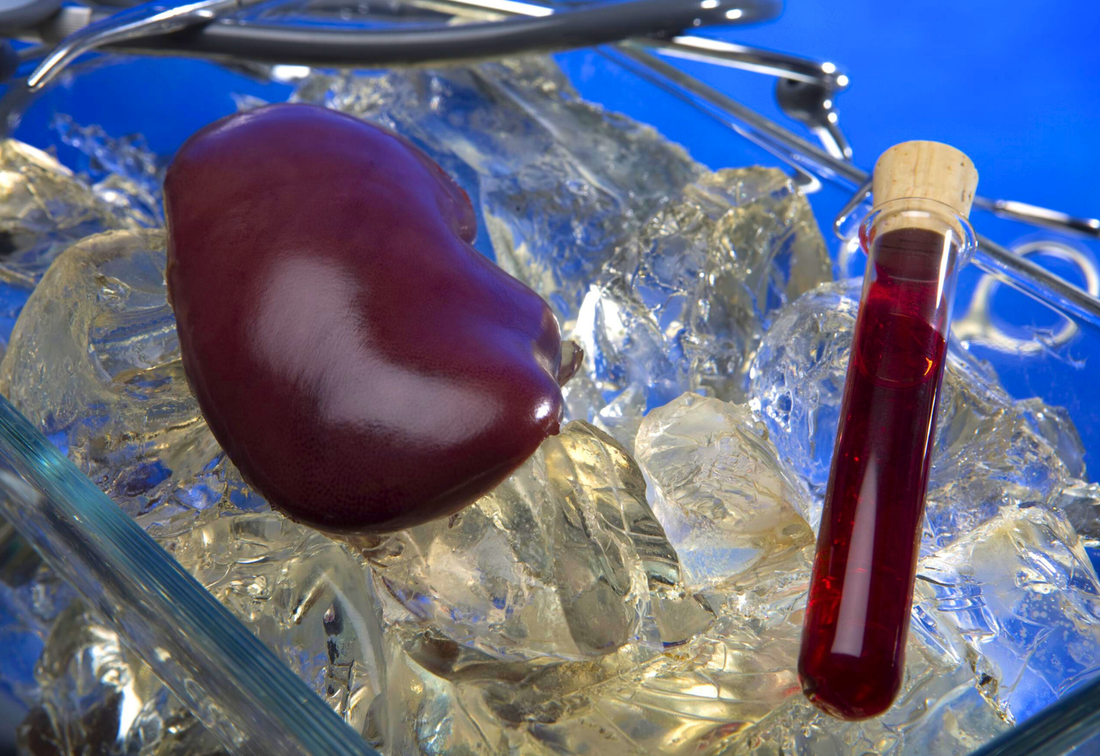
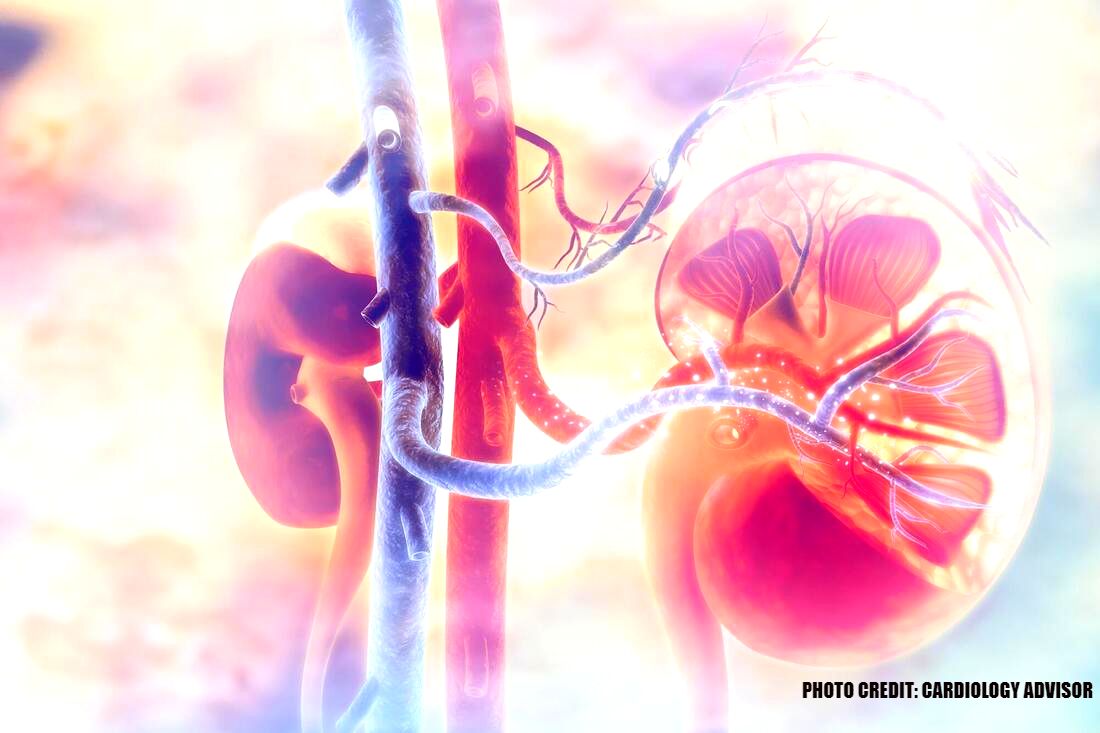
For most people whose kidneys have failed, the best treatment is a kidney transplant. While dialysis – whether hemodialysis or peritoneal dialysis – is a fantastic treatment that allows a person with kidney failure to live with fairly satisfactory health, it still has certain limitations.
One is in terms of long-term health complications. While dialysis does a good job at removing waste products and excess fluids from our blood, it is not a perfect replacement for a functioning kidney. Thus, those undergoing this procedure are still vulnerable to chronic complications such as anaemia, renal bone disease, heart disease and stroke, among others. They will also face rather strict limitations in terms of lifestyle, especially when it comes to work and travel, as dialysis is a procedure that needs to be frequently repeated with specialized medical equipment. Only half of dialysis patients survive post-treatment Those undergoing hemodialysis need to go to a hemodialysis center three times a week for a period of around four hours each time. Meanwhile, those on peritoneal dialysis need to perform the procedure four times a day for 30 to 40 minutes each time with continuous ambulatory peritoneal dialysis, or once a day (usually during bedtime) for a period of 8 to 10 hours with automated peritoneal dialysis. Most importantly, in terms of survival, only about half of dialysis patients are still alive five years after they start treatment. In comparison, around 80% to 90% of kidney failure patients who receive a donated kidney are still alive five years after their procedure. Their quality of life is also much better as they need not be tied down to the dialysis timetable, although they will need to be on immunosuppressant (anti-rejection) medications for life to prevent their body from rejecting the donated kidney. The risk of chronic health complications from dialysis and the absence of functioning kidneys will also be removed. Younger patients, in particular, may see a reversal of their infertility caused by kidney failure and be able to have children naturally. Two types of kidney transplant donors It is, in fact, ideal for a patient whose kidney is failing to consider a pre-emptive kidney transplant, i.e. before they even begin dialysis. At University Malaya Medical Centre, we usually try to broach this subject when the patient is in stage 4 of their chronic kidney disease – when the kidney function is less than 30%. This is because the longer the patient is on dialysis, the more complications they will develop, leading to a lowering in benefits from a kidney transplant. Having said that, a transplant still has far better results than dialysis, even though it is performed a few years after a patient has started on dialysis. In a kidney transplant, there are two possible types of donors: living and deceased. In Malaysia, living donors must offer their kidney voluntarily (i.e. with no inducement or compensation like money), as well as be related to the recipient, like a parent, spouse, sibling, or even first cousin. Living donors comprise, by far, the majority of kidney donors in the country. Meanwhile, deceased donors are usually registered organ donors who – typically in Malaysia – are casualties of motor vehicle accidents. They would have sustained severe enough head injuries to be considered braindead, but with still-functioning kidneys. Living kidney transplant While no surgical procedure is without its risks, the advantage of a living kidney transplant is that it is an elective procedure. This means that there is plenty of time for both the healthcare team, patient and donor to plan and prepare for the operation. The risk of the operation is not as serious as a heart bypass, but not as simple as an appendectomy (surgery to remove the appendix). For example, the chances of the donor encountering complications from the operation i.e. dying from the donor surgery, is 30 in 100,000, which is slightly higher than being struck by lightning (one in 100,000) or dying in an aeroplane crash (10 in 100,000), but about three times lower than dying in a motorcycle accident (100 in 100,000). The average hospital stay for the recipient after the procedure is about 7 to 10 days, while the donor usually gets to go home sooner (generally after 3 days). Nowadays, the standard of care for donor surgery is minimally-invasive laparoscopic surgery. In living kidney donations, the recipient is more likely to need a lower dosage of immunosuppressant medications as they would share a certain amount of genetic material with their donor (thus, decreasing the chances of the donated kidney being rejected by their body) if they are related by blood. The donated kidneys also tend to function well for longer as the donors would be evaluated to ensure they are healthy enough to undergo the procedure. In fact, many parents who volunteer as donors insist that their “better” kidney be given to their child, although as doctors, we practice the principle of protecting the donor first. Deceased donors In comparison, when a kidney from a deceased donor becomes available, there is a “golden” period of 24 hours to complete the transplant. This includes the time to identify the right recipient and to get them to come forward, as well as for both recipient and the healthcare team to complete all necessary preparations for the operation. The donated kidney might also not be in as ideal a condition as that from a living donor as local deceased donors would likely have been in an accident, as mentioned earlier. The lack of shared genes also means that the recipient is likely to need a higher dosage of immunosuppressant medications. Despite all these, a deceased donor kidney transplant recipient would still have better long-term survival as compared to those who continue with long term dialysis. Seven hospitals that perform kidney transplants While a kidney transplant is superior to dialysis for the ultimate health and survival of a kidney failure patient, the number of such procedures is very small in comparison to the need. In 2020, 151 kidney transplants were performed – most of them with living donors. As of now, there are seven hospitals that perform kidney transplants in Malaysia: Hospital Kuala Lumpur; Hospital Selayang, Selangor; University Malaya Medical Centre, Kuala Lumpur; Hospital UiTM, Selangor; Prince Court Medical Centre, Kuala Lumpur; Sunway Medical Centre, Selangor; and Mahkota Medical Centre, Melaka. There are about 25,000 kidney failure patients currently on the waiting list for a kidney from a deceased donor – about half the number of people on dialysis in the country. With only about 50 cadaveric organ donations or so per year, the usual wait for a kidney is more than a decade. While the Malaysian Kidney Allocation System (MyKAS) generally operates on a first-come-first-served basis based on the duration of dialysis, it prioritises patients who are younger and have no diabetes as they would have the best outcome from a kidney transplant. In summary, patients with kidney failure are strongly encouraged to consider a kidney transplant, preferably even before their kidney has failed. Family support is crucial as living kidney donations are faster, less complicated and offer better benefits, compared to cadaveric donations. Healthy Malaysians are also strongly encouraged to sign up as organ donors as they would be in a position to offer a gift of life not only to kidney failure patients, but also those in need of other organs. ---------------------------------------------------------------------------------------------- Myths and misconceptions
|

EXPLORE FURTHER

|
Early warning signs of kidney cancerTumors often discovered incidentally; symptoms include painless haematuria and swelling
|
|
Nephrologist says only 30 get into kidney donation programme from 21,000 in waiting listThe average waiting time for an organ transplant is between 14 and 16 years
|
|
Renal denervation consensus paper now published in hypertension research journalA collaborative effort to combat hypertension
|

|
National Kidney Foundation refutes claims of viral posting promoting a cure for kidney disease
Jisheng Kidney Qi tablets - a cure for kidney disease a scam, says NKF
|

|
Cranberries, high doses of vitamin C causes kidney stones, says clinical journalOxalate in cranberries a contributing factor
|

|
Mybuahpinggang.com website launched to empower kidney failure patients, caregivers nationwidePractical resources on kidney diseases, treatment, dialysis and transplant
|