Prostate cancer: A critical threat to men's health
September 23, 2024

Medical statistics show that prostate diseases pose a serious threat to the physical and mental health of men. Among these diseases, prostate cancer is a prostatic epithelial malignant tumor occurring in males. Prostate cancer is the third most common cancer in Malaysia with the lifetime risk of 1 in 117 men based on the data of National Library of Medicine.
Experts believe that if prostate cancer can be detected and treated early when the tumor is still confined to the glands without metastases, the five-year survival rate can be more than 99 percent. However, once detected, most prostate cancers are in middle and advanced stages, which not only increase the difficulty of treatment, but also cause a great harm to patients. Who is at risk?
What are the symptoms? 1. Most patients do not exhibit noticeable symptoms in the early stages, but an elevated PSA level or abnormal prostate may be detected during a routine physical examination. 2. As the tumor enlarges, symptoms such as difficulty urinating, including increased frequency of nocturnal urination and urgency, may occur. 3. Compression and invasion of surrounding organs, such as the bladder and rectum, can result in urinary difficulty, painful urination, perineal pain, hematuria, and other symptoms. 4. If lymph node metastasis occurs, it may cause swelling in the lower limbs. 5. In the later stages, systemic metastasis, such as bone metastasis, may lead to pain, pathological fractures, spinal cord compression, and other symptoms. Lung metastasis may result in coughing and chest tightness. 6. Patients with advanced cancer may also experience systemic symptoms, including loss of appetite, poor sleep quality, fatigue, and other related issues. In severe cases, progressive anemia may develop. Differentiating prostatic hyperplasia from prostate cancer Prostatic hyperplasia is characterized by the proliferation of stromal and epithelial cells and is one of the common causes of lower urinary tract obstruction in elderly men. These symptoms are similar to those of early-stage prostate cancer, making it difficult to clinically differentiate between the two conditions. 1. Prostate Specific Antigen (PSA) test PSA is a protein secreted by prostate duct cells. Both prostatic hyperplasia and prostate cancer may lead to the rise of PSA level, while prostatic hyperplasia may lead to a slight increase of PSA level. If the PSA level exceeds 10ng/ml and FPSA level is elevated, prostate tumor may be suspected and further examination is needed. 2. Digital Rectal Examination (DRE) In the case of prostatic hyperplasia, a health care provider may feel an enlarged prostate with a smooth surface during an examination. In contrast, with prostate cancer, a hard nodule or uneven surface may be detected, and patients may experience pain during the examination. 3. Imaging test In ultrasound, CT or MRI, the imaging findings of prostatic hyperplasia and prostate cancer are different. For example, hyperplasia shows an enlarged prostate with even or uneven echo, while prostate cancer can be visually distinguished by abnormal hyperechoic and hypoechoic light spots. 4. Biopsy It can accurately differentiate prostatic hyperplasia from prostate cancer. If you have any of the following symptoms, please undergo a biopsy: - Digital rectal examination shows suspicious prostate nodules with any PSA level; - Suspicious lesions detected by ultrasound or MRI with any PSA level; -PSA>10ng/ml; -PSA 4-10ng/ml, suspicious level of f/t (free/total) PSA or PSAD (PSA density) Common misconceptions 1. Tomatoes can prevent prostate cancer? Lycopene is a powerful antioxidant that can remove free radicals from the body. There are rumors online that lycopene intake may reduce the risk of prostate cancer. In fact, a study that examined the blood levels of lycopene in more than 3,000 men found no clear link between lycopene and prostate cancer. 2. Elevated PSA level indicates prostate cancer? Not necessarily. In addition to prostate cancer, conditions such as prostate inflammation, prostatic hyperplasia, or even a prostate massage can raise PSA levels, and some patients naturally have higher PSA levels. The PSA test helps doctors decide whether a biopsy is necessary to confirm prostate cancer. 3. Androgen will increase the risk of prostate cancer? Androgen is not associated with prostate cancer because testosterone cannot enter the nucleus to stimulate cell growth, so it does not promote cancer cell formation. To date, there is no evidence that testosterone levels are linked to prostate cancer. Prevention strategies
Innovative treatment approaches for prostate cancer Cryosurgery is a treatment that uses extreme cold produced by liquid nitrogen or argon gas to destroy cancer cells. It is a local treatment, meaning that it is directed toward the tumor. This therapy is the only multifunctional treatment system that combines -160°C superfreeze, non-invasive surgery, and immunoenhancement. The machine uses argon to lower the temperature and form an ice ball, while helium is used to increase the temperature, ultimately destroying cancer cells and causing further necrosis and apoptosis to achieve the purpose of ablation AIA, Prudential, Great Eastern, Hong Leong, Allianz, and other international medical insurance companies provide reimbursement at Fuda Hospital. Questions or inquiries could be sent to: drkheng61@gmail.com; or consultationmalaysia@fudahospital.com. You may also contact the mobile numbers below:
|

EXPLORE FURTHER

|
Toxic masculinity can be destructive to men's mental healthSuicide rates have increased significantly for males in Malaysia between 2014 and 2019
|

|
Are e-cigarettes and vaping a 'healthier' option?The nicotine level in e-cigarettes is found to be double
|

|
Addiction in men: Understanding the challenges and finding supportFacing unique challenges including societal pressures to appear strong
|
|
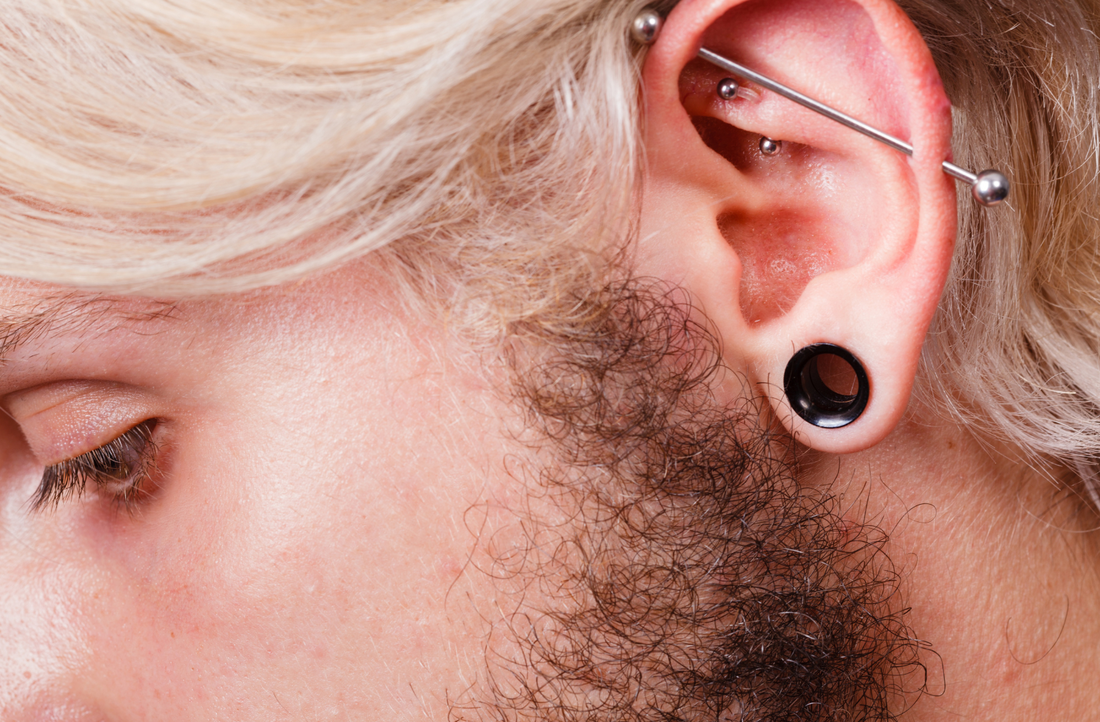
Should you get your ear pierced? Exploring public perception and earlobe changes with ageLearn about age-related changes in the earlobe
|

|
Seven problems you might experience with your penisPenis disorders can cause pain and affect a man's sexual function and fertility
|

|
Is a curved penis normal?Peyronie’s disease is a disorder in which the penis bends or curves because of fibrotic scar
|

|
Understanding priapism: Causes, symptoms and treatment of painful prolonged erectionsHaving an erection for more than 4 hours can be a painful experience
|

|
Penile siliconoma: Complications of unregulated penile augmentationPenis fillers are gaining popularity among Malaysians and foreign workers
|

|
The gender gap in health: Changing the perception of men's healthMost men prefer to suffer in silence as they see sickness as a sign of weakness
|

|
Have trouble peeing?An enlarged prostate gland can cause reduction in flow, longer to initiate a urine stream
|