Recognizing ADHD brain differences helps parents replace labels with informed, supportive approaches
April 30, 2026

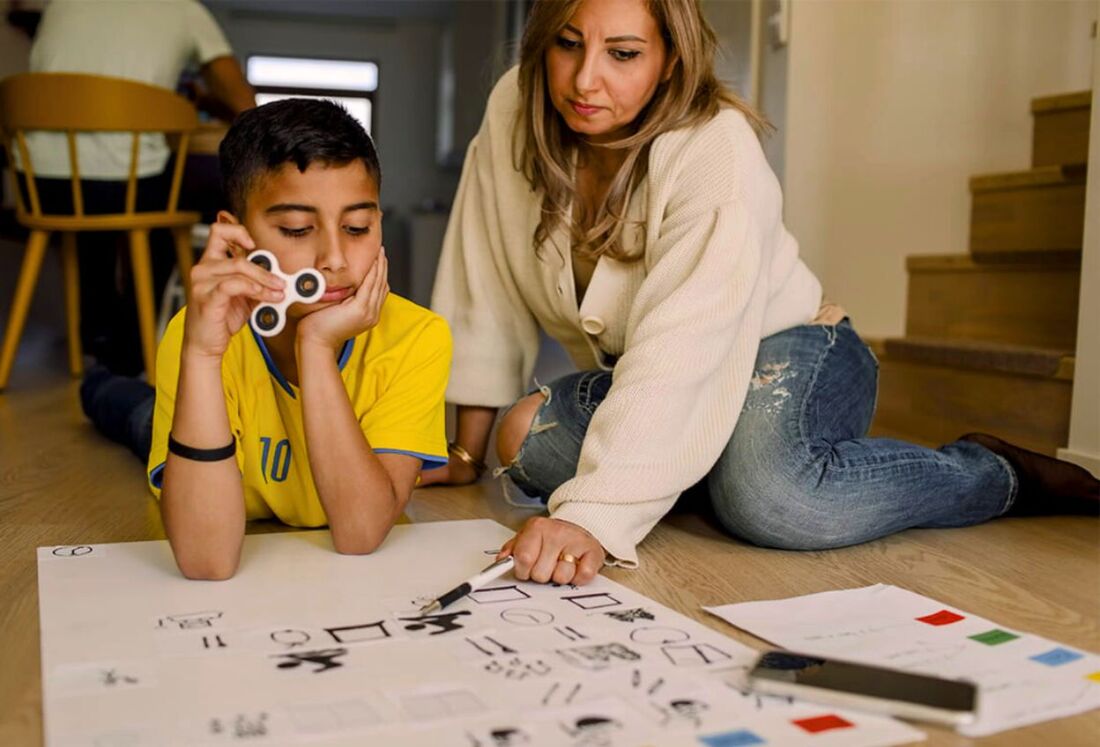
Children with inattentive ADHD often struggle to sustain focus, forget instructions, lose items, avoid demanding tasks, appear distracted or daydreaming, and are frequently overlooked or underdiagnosed.
The labels we give our Attention-deficit/hyperactivity disorder (ADHD) child do not merely describe them. They shape them. Lazy — when they cannot start. Difficult — when they struggle to comply. Disruptive — when they cannot regulate. Unmotivated — when interest fades quickly. Impulsive — when attention shifts. Slow — when they cannot keep up.
The real cost can be anxiety, depression, damaged self-worth, and decades of believing the wrong story about themselves. “Teachers say these things because they are overworked, and parents say them because they are scared and frustrated. The system says that because there is only one ruler which measures every single child with it. But here is the thing about words. The story we tell a child about themselves gets absorbed directly into shaping who they think they are. There is no filter yet in their brain. They cannot tell themselves, ‘Well, that's just their opinion.’ Instead, the words get etched into them because they have been hearing those words for years,” says Catherine Chan, Child Development & Mindful Parenting Advocate and former lawyer, while speaking on the costs of mislabeling children with ADHD during UNITAR’s Embracing Neurodiversity Series Special Needs Capacity Building Workshop. The chemistry behind ADHD In a neurotypical brain, dopamine flows steadily and responds to obligation — deadlines, duties, and tasks. In an ADHD brain, dopamine responds primarily to interest, novelty, urgency, and passion rather than obligation. ADHD is not a behavioral problem. It is a neurochemical one. Two key messengers in the brain work differently, and that changes everything. Dopamine, also known as a neurotransmitter, is often referred to as the brain’s “feel-good” chemical. The brain releases dopamine during enjoyable experiences — such as listening to music, receiving a message from someone you like, or engaging in activities that bring pleasure. Dopamine functions as the brain’s motivation signal. It tells the brain that a task is important, helping a person begin the task and continue working on it. In a neurotypical brain, dopamine flows smoothly in response to everyday tasks. It is simply the fact that something needs to be done that motivates action. This is why most people can sit down to reply to messages or tidy a room — not necessarily because they enjoy it, but because the brain signals that the task should be completed. In an ADHD brain, however, the dopamine response is much weaker when tasks are driven purely by obligation. As a result, a child with ADHD may struggle to start homework, sit down, or complete tasks, no matter how many reminders they receive. Yet if that same child engages with something they genuinely enjoy — such as a favorite game, a YouTube video, or a hobby they are passionate about — they may be able to focus intensely for hours. The role of norepinephrine In a neurotypical brain, norepinephrine helps regulate attention, alertness, and working memory — the ability to hold information in mind while using it. In an ADHD brain, lower levels of norepinephrine reduce the signal-to-noise ratio in the prefrontal cortex, making it more difficult to filter distractions and remain on task. For example, imagine sitting in a café talking to a friend. At the same time, there are multiple background noises — conversations, music, movement, and perhaps a dog barking outside. In a neurotypical brain, filtering these sounds is relatively easy because norepinephrine helps prioritize relevant information. However, in an ADHD brain, lower norepinephrine levels make it harder to filter these competing stimuli. Every sound, movement, or thought may feel equally important. Without a reliable filter, distractions can quickly overwhelm attention. This means the ADHD brain processes far more incoming information at once. As a result, individuals with ADHD may become easily distracted. This is not a lack of effort but a difference in how the brain processes information. In many cases, their brain is working twice as hard simply to keep up with everyone else. The two presentations of ADHD ADHD commonly presents in two main patterns: inattentive and hyperactive-impulsive. The inattentive type is often the most underdiagnosed. Individuals with this presentation may have difficulty sustaining focus on tasks, become easily distracted by their surroundings, forget instructions, lose items frequently, avoid tasks requiring sustained mental effort, and appear to daydream or seem mentally elsewhere. This presentation is frequently overlooked, particularly in girls who may appear quiet, compliant, or socially well-behaved while masking their struggles. A child may sit quietly in a classroom, not disrupting anyone, and even appear attentive. However, internally they may be struggling to follow instructions, organize tasks, or keep track of information. Because they are not disruptive, their difficulties may remain unnoticed. These children often carry labels for years without receiving an explanation for their challenges. In real life, ADHD is significantly underdiagnosed, particularly among girls. Girls are often expected to be more compliant and well-behaved, and their symptoms may appear less disruptive. Instead, they may seem tired, anxious, or withdrawn while quietly struggling with concentration and emotional stress. The second presentation is the hyperactive-impulsive type, which is more easily recognized. Children with this pattern may fidget frequently, squirm in their seats, leave their seats often, talk excessively, interrupt others, struggle to wait their turn, act before thinking, and appear constantly “on the go.” This pattern is more commonly identified in boys and is often associated with the stereotypical image of ADHD. In reality, around 80 percent of individuals with ADHD experience a combination of both patterns. Understanding the brain’s emotional system Two key parts of the brain play an important role in emotional regulation: the prefrontal cortex and the amygdala. The prefrontal cortex — located in the frontal lobe of the brain — helps people pause and think before reacting. It supports planning, decision-making, impulse control, and emotional regulation. It is often described as the brain’s command centre. The amygdala, sometimes referred to as the brain’s “fire alarm,” detects threats and processes emotional responses. It activates the fight-or-flight response when the brain senses danger or distress. In children and adults with ADHD, emotional responses can be triggered more easily. Many experience challenges with emotional regulation. Their emotional reactions may feel intense, and managing those emotions can be more difficult. Because of this, the way adults communicate with children becomes especially important. Parents and caregivers can support children by using mindful and constructive language when correcting behavior. Positive and supportive communication influences how children interpret their mistakes and how they see themselves. This approach benefits not only neurodivergent children but also neurotypical children. Children often respond better when they feel understood, supported, and guided rather than criticized. What ADHD is not ADHD is not a lack of effort. It is not the result of poor parenting, inconsistency, or excessive strictness. It is not the parents’ fault. ADHD is also not a made-up diagnosis, nor is it something that children simply “grow out of.” It cannot be treated with a mindset of “toughening up.” Current research shows that ADHD is strongly influenced by genetics. In some cases, environmental factors may also contribute to how symptoms develop. “The hyperactivity does become more manageable for some people with age,” says Catherine, who also lives with ADHD and identifies as hyperactive herself. What ADHD actually is ADHD has a difference in dopamine regulation. It is an executive function challenge and a neurological difference in how the brain is wired. This does not mean the brain is broken — it is simply built differently. ADHD also comes with strengths. Many individuals with ADHD demonstrate high levels of creativity, innovation, and problem-solving. When they discover subjects that genuinely interest them, they often show remarkable levels of focus and engagement. Rather than having a lack of attention, many people with ADHD experience difficulty maintaining consistent attention, particularly when tasks feel repetitive or uninteresting. This pattern can also be seen among highly successful individuals such as Richard Branson and Bill Gates. These examples illustrate that children with ADHD are not incapable. Instead, they may require different forms of support and understanding. What actually helps The Pomodoro technique. This method involves working for a set period of time — traditionally 25 minutes — followed by a five-minute break. A timer signals when to start and stop. For children who cannot sustain attention for that long, the time period can be adjusted to 10, 15, or 20 minutes. The goal is not the exact number of minutes. The goal is to create an external structure for time. Many individuals with ADHD experience time blindness, making it difficult to judge how long tasks will take. Using a timer provides a clear beginning and end point, which helps the brain stay focused. Task Organization and visual systems Creating a checklist or task management system can also help. Children and adults with ADHD often experience a dopamine boost when they complete tasks and tick them off a list. For individuals with ADHD, many thoughts and responsibilities can be present in the mind simultaneously. A checklist helps organize these tasks visually and externally. Checking off completed tasks reinforces progress and encourages follow-through. Building a strong support system Having a strong support system can make a significant difference. A supportive circle may include partners, family members, friends, and professionals. Social support can help reduce feelings of anxiety, depression, and isolation. Children with ADHD often hear instructions such as “focus” or “try harder,” even though they may already be making significant effort. Supportive guidance focuses instead on showing children how to approach tasks and manage challenges. When children feel supported, they are more likely to build confidence and feel safe enough to try again. Parenting a child with ADHD can be challenging. However, support networks can help families navigate these challenges more effectively. The role of nutrition and exercise Physical activity, particularly aerobic exercise performed three to four times a week, has been shown in multiple studies to improve ADHD symptoms. Exercise increases dopamine and norepinephrine levels in the brain, supporting focus and emotional regulation. In many ways, regular physical activity can function as a supportive intervention that strengthens the brain’s natural regulation system. Managing social media exposure Social media platforms are designed to capture and hold attention through rapid, constantly changing content. For individuals with ADHD, this can reinforce patterns of short attention spans and constant stimulation. Limiting social media use, particularly activities such as doom-scrolling, may help reduce overstimulation. Excessive screen time can place additional strain on an already dysregulated dopamine system. The role of medication For some individuals, prescribed ADHD medication may support concentration during complex or demanding tasks. Medication works by helping restore dopamine and norepinephrine to functional levels in the brain. Practising self-compassion Self-compassion is another important component of ADHD support. Individuals may benefit from unlearning negative thought patterns and replacing them with healthier perspectives. Journaling can help regulate emotions and build awareness. Low self-compassion has been associated with poorer mental health outcomes among individuals with ADHD. Children also benefit from specific and meaningful encouragement. Rather than giving general praise such as “good job,” parents may offer more detailed feedback. For example: “I saw how much effort you put into that project,” or “I really like how creatively you used those colours in your artwork.” Specific recognition reinforces effort and motivation. Actionable steps for parents Parents can support children with ADHD through consistent routines. The ADHD brain often struggles to generate internal structure, so predictable routines can reduce behavioral difficulties. Daily routines might include waking up at the same time each day, maintaining regular homework periods, or following consistent bedtime patterns. Another effective strategy is immediate and specific positive reinforcement. The ADHD brain responds strongly to external rewards, and praise should ideally occur as close as possible to the behavior being recognized. Parents can also collaborate closely with teachers. Consistency between home and school environments is an important predictor of positive academic and behavioral outcomes. Regular communication with teachers allows parents to share observations, discuss strategies, and develop coordinated support approaches. Children with ADHD often perform better when the adults around them work together. Recognizing strengths and potential Another important strategy is identifying and building on children’s strengths. Children with ADHD often demonstrate cognitive strengths in creativity, curiosity, and divergent thinking. When attention is focused solely on deficits, these strengths may remain unnoticed. A strengths-based approach encourages parents and educators to recognize what children do well and nurture those abilities. Over time, constantly emphasizing weaknesses may cause children to internalize negative beliefs about themselves. When strengths are recognized, children are more likely to feel capable, understood, and motivated. Educating yourself about ADHD Finally, learning about ADHD can significantly improve outcomes for children. When ADHD behaviors are misunderstood as defiance or laziness, adults may respond with frustration or harsh discipline. These responses can worsen emotional distress and behavioral challenges. Informed parents and caregivers are better equipped to interpret behaviors accurately and provide supportive responses. Understanding ADHD enables families and educators to replace labels with knowledge, empathy, and practical strategies that support children’s development. |
EXPLORE FURTHER

|
ADHD: Gender differences and their impact in the workplaceRecognizing the unique challenges faced by men and women with ADHD
|
|
Is it ADHD or other developmental disorders?When one toy may not be enough
|