Ten-year national nursing strategy launching in June to strengthen healthcare workforce
May 13, 2026
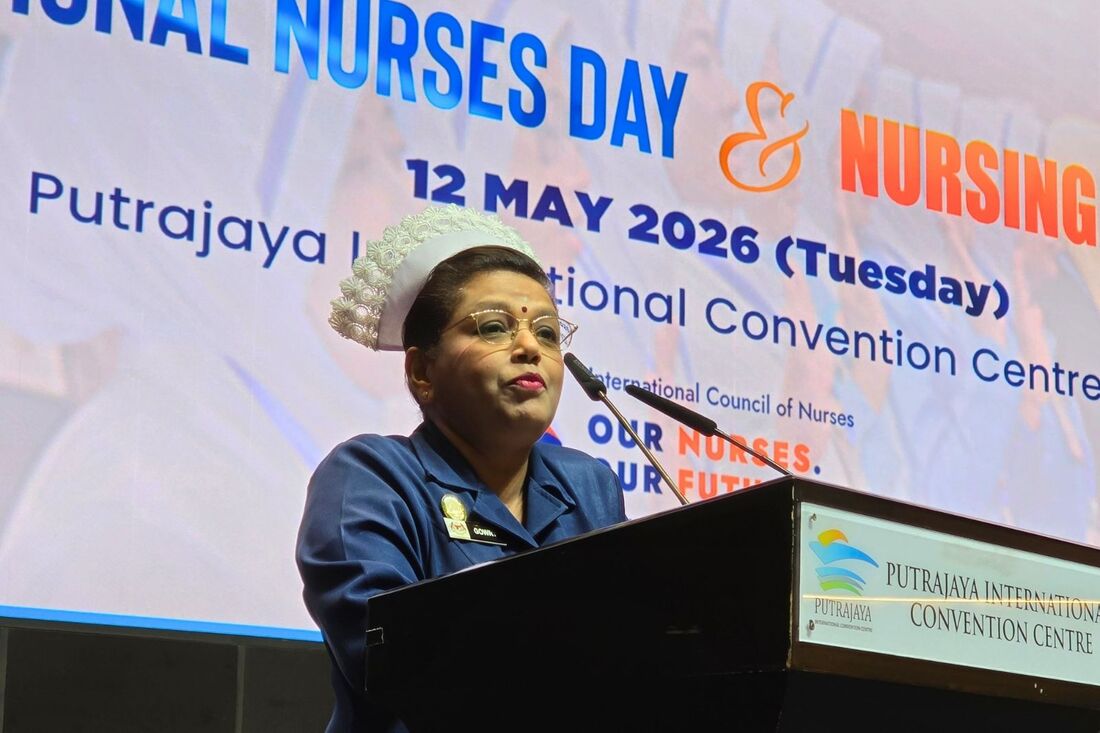
Gowry Narayanan revealed at the National Level International Nurses Day celebration Malaysia’s ten-year nursing roadmap launching in June, structured around four pillars, 21 strategies, and 62 initiatives.
Malaysia is currently developing a long-term strategy to strengthen the nursing workforce and prepare for future healthcare demands.
Speaking at the National Level International Nurses Day celebration organized by the Malaysian Nurses Association on May 12, Gowry Narayanan, Director of Nursing at the Ministry of Health Malaysia, pointed out that the initiative aligns with the World Health Organization Global Strategic Directions for Nursing and Midwifery (2021–2025), adapted for Malaysia’s healthcare landscape. Scheduled for launch on June 9, the strategy outlines a ten-year roadmap built around four pillars, 21 strategies, and 62 initiatives. These initiatives focus on strengthening education, expanding employment opportunities, developing leadership, and transforming service delivery. One key objective is to create career pathways that allow nurses who excel in clinical practice to advance without leaving patient care. “If you excel in clinical work or management, we want you to stay and still be promoted,” Gowry explained. Proposals are also being considered to shorten the time required to obtain advanced academic qualifications by recognizing work experience and post-basic training through credit transfer systems. Financial incentives are also under review, including improvements to shift allowances and post-basic training allowances. Innovation and digital healthcare Future nursing models will place greater emphasis on innovation, technology, and community-based care. Nurse-led chronic disease management programs are expected to expand as Malaysia addresses rising rates of chronic illness. Digital health systems and clinical informatics will also become increasingly integrated into everyday nursing practice. Modern nurses will need to be technologically proficient, capable of using electronic medical records, data systems, and digital healthcare platforms. This represents a significant shift from traditional nursing roles that relied heavily on manual documentation and administrative work. Modernizing nursing education Education reform is another cornerstone of the national strategy. Nursing curricula will be modernized to incorporate training in digital healthcare, specialized clinical competencies, and emerging medical technologies. Training programs will also be aligned more closely with workforce needs through Training Needs Analysis (TNA) to ensure that graduates are prepared for real healthcare demands. Closer collaboration between academic institutions and healthcare providers will strengthen both theoretical education and clinical practice. Strengthening nursing leadership The final pillar of the strategy focuses on strengthening nursing leadership. Nurses are expected to take greater roles in healthcare policy development, governance, and strategic planning. Leadership pathways will be developed to prepare nurses for management, administrative, and policy positions. Professional legislation and ethical standards governing nursing practice will also be updated to reflect the evolving responsibilities of the profession. Building a resilient nursing workforce The future of Malaysia’s healthcare system depends heavily on the strength of its nursing workforce. Empowering nurses through education, leadership development, and supportive work environments will be critical to addressing workforce shortages and rising healthcare demands. As healthcare systems grow more complex, nurses are increasingly recognized not only as caregivers but also as leaders, innovators, and key contributors to healthcare transformation. Strengthening and empowering the nursing profession today will help ensure a resilient and sustainable healthcare system for the future. |
EXPLORE FURTHER

|
Three distinguished nurses honored for service, education, and community health leadershipAsiah Supaat, Datin Dr Norkiah Arsad, Suriana Yazid receive Nursing Icon awards
|

|
2,200 Malaysian nurses renew pledge on International Nurses Day2026 theme highlights empowerment, leadership, education, and workforce support
|

|
WHO updates: What role do nurses play in achieving universal health coverage?
Exploring nursing laws and leadership in the Western Pacific Region
|
|
Is nursing losing its appeal to the younger generation?How can we attract youth to the nursing profession?
|

|
Global healthcare faces inequities; nurses essential for universal health coverageUrgent call for fair pay and better conditions for healthcare workers
|
|
Civil servants, including nurses, get 15% pay raise starting December 1, 2024Addressing Malaysia's nursing crisis with strategic policy reforms and educational enhancements
|
|
Nursing in the age of uberization: Revolutionizing healthcare deliveryHow innovative models are transforming nursing practice across Asia
|

|
Balancing nursing technology and skills: Where does Malaysia stand?Insights from regional leaders: Upskilling nurses through training programs, simulation labs, EMR and AI
|