HEALTHCARE TODAY
  • IN THE SPOTLIGHT
    • MALAYSIA HEALTH & POLICY NEWS
    • GLOBAL HEALTH NEWS
  • HEALTH CONDITIONS
    • ANTIMICROBIAL RESISTANCE
    • ARTHRITIS
    • ASTHMA
    • BACK PAIN
    • BRAIN DISORDERS
    • BREAST CANCER
    • CANCER
    • CARDIOVASCULAR DISEASE
    • CERVICAL CANCER
    • CORNEAL ULCER
    • CORONAVIRUS DISEASE (COVID-19)
    • DEMENTIA
    • DENGUE
    • DENTAL PROBLEMS
    • DIABETES
    • DRUG ABUSE
    • ECZEMA
    • EYE
    • FIBROIDS
    • GASTROINTESTINAL DISEASES
    • INFLUENZA (FLU)
    • HEADACHES & MIGRAINES
    • HEPATITIS
    • HIV & AIDS
    • JOINT PAIN
    • KIDNEY DISEASE
    • LUNG CANCER
    • LUPUS
    • MELASMA
    • MENTAL HEALTH
    • MOUTH-AND-TEETH
    • OBESITY
    • OSTEOPOROSIS
    • OVARIAN DYSFUNCTION: UNDERSTANDING PREMATURE OVARIAN FAILURE, POLYCYSTIC OVARY DISEASE AND INFERTILITY
    • SEXUAL & REPRODUCTIVE HEALTH
    • SKIN CONDITIONS
    • SLEEP
    • STROKE
  • DISABILITIES & SPECIAL ABILITIES
    • ADHD and ADD
    • AUTISM SPECTRUM DISORDER
    • BLINDNESS & VISION IMPAIRMENT
    • CEREBRAL PALSY
    • DOWN SYNDROME
    • RARE DISEASES
  • NURSING RESOURCES
  • DIGITAL HEALTH
  • HEALTH PRODUCTS & SERVICES
  • RELATIONSHIPS
  • FAMILY HEALTH & PARENTING
  • EMPOWERING WOMEN
  • MEN'S WELLNESS
  • GOLDEN YEARS
  • ACTIVE LIFE HUB
  • NUTRITION
  • COMPLIMENTARY MEDICINE
  • HUMANITARIAN & COMMUNITY HEALTH
  • AMBULANCE AND FIRST AID GUIDE
  • Community clinics/ Klinik Komuniti
  • Government Dental Clinics / Klinik Pergigian Kerajaan
  • ABOUT US

​The impact of salt on high blood pressure: Finding the right balance

January 21, 2019
Healthcaretoday, Datuk Dr Sanjiv Joshi, Pantai Hospital Kuala Lumpur, Cardiovascular disease, High blood pressure, sodium intake, salt awareness, heart health, hypertension management, healthy eating, DASH diet,  Nutrition tips, sodium control, food labels,  blood pressure,  salt substitutes,
If you have high blood pressure, managing your salt intake is crucial. Salt, primarily composed of sodium chloride, significantly contributes to blood pressure levels. For individuals with hypertension, reducing salt consumption is a common recommendation. However, it's essential to strike a balance—too little sodium can lead to hypotension (low blood pressure). Therefore, while a low-sodium diet is advisable, it doesn't mean eliminating sodium entirely.

Datuk Dr Sanjiv Joshi (pix) a consultant cardiologist at Pantai Hospital Kuala Lumpur, emphasizes that adults with high blood pressure should aim for no more than 2,300 milligrams of sodium per day, with an ideal limit of 1,500 milligrams. Remarkably, cutting back by just 1,000 milligrams daily can lead to significant improvements in blood pressure and overall heart health.

Understanding salt and sodium equivalents
Table salt is approximately 40% sodium, making it crucial to understand sodium content to manage your intake effectively. Here are some common measurements:
  • 1/4 teaspoon salt = 575 mg sodium
  • 1/2 teaspoon salt = 1,150 mg sodium
  • 3/4 teaspoon salt = 1,725 mg sodium
  • 1 teaspoon salt = 2,300 mg sodium

Sneaky sodium sources
Sodium can often hide in unexpected places. To manage your intake, always check nutrition labels and opt for lower-sodium options. Some common culprits include:
  • Burgers
  • Deli meats and sandwiches
  • Egg dishes and omelets
  • Mixed pasta dishes
  • Pizza
  • Poultry
  • Savory snacks (chips, crackers, popcorn)
  • Soups

Smart shopping and cooking tips
Here are practical strategies to reduce sodium intake:
  • Shop smart, cook smart: Choose lower-sodium foods or low-sodium versions of your favorites. Your taste buds may need time to adjust, but many delicious low-sodium options are available.
  • Read labels: When buying prepared and packaged foods, look for terms like “soda,” “sodium,” or the symbol “Na.” Many products now advertise “low salt” or “low sodium.”
  • Increase fruits and vegetables: Opt for no-salt-added canned or frozen versions and avoid those with added sauces.
  • Select unsalted options: Choose unsalted nuts, seeds, dried beans, peas, and lentils.
  • Broths and soups: Use unsalted or low-sodium fat-free broths or soups.
  • Cooking practices: Avoid adding salt during cooking, and remove the salt shaker from your table. Try salt substitutes, which are affordable and safe for most people except those with kidney issues.
  • Flavor with spices and herbs: Enhance food flavor naturally without relying on salt.

Dining out: Restaurant meals often contain high sodium. To mitigate this:
  • Familiarize yourself with low-sodium options on the menu.
  • Specify your preferences when ordering.
  • Request dishes to be prepared without salt.
  • Use black pepper instead of salt and opt for fresh lemon juice for seasoning.

​Managing salt intake is vital for anyone with high blood pressure. By understanding sodium's role and implementing simple strategies, you can effectively control your blood pressure while enjoying a flavorful diet. Remember, it's not about eliminating salt entirely but finding the right balance for your health.

ADVERTISEMENT

EXPLORE FURTHER


Picture

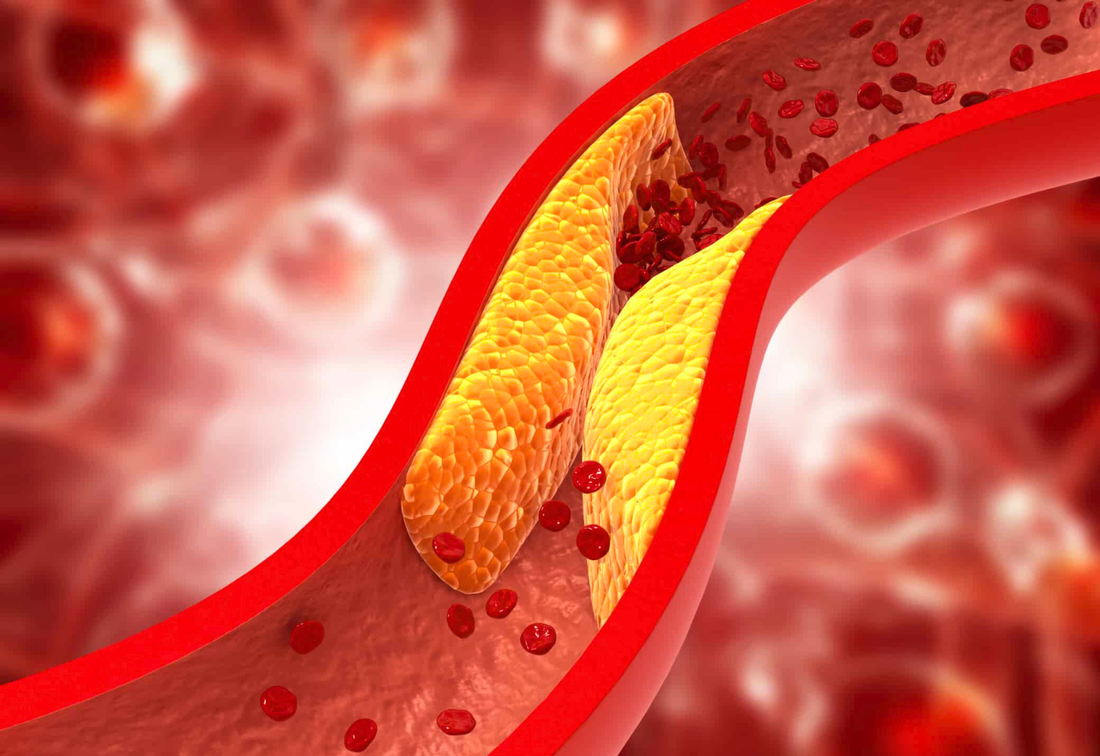
Cholesterol and atherosclerotic cardiovascular disease: Understanding the silent threat

​Why high cholesterol is a growing concern and how to combat it
Picture

Pet licks can cause mild respiratory symptoms to endocarditis, warns specialist

​​Understanding zoonoses and their impact on humans
MORE ON CARDIOVASCULAR DISEASE
Picture
Get our wellness newsletter
​Filter out the noise and nurture your inbox with health and wellness advice that’s inclusive and rooted in medical expertise.
Subscribe to Newsletter
About Us
©2018 - 2025 ©Healthcare Today Media Network Sdn Bhd.
All rights reserved. The material in this site is intended to be of general information use and is not intended to constitute medical advice, probable diagnosis or recommended treatments.          
  • IN THE SPOTLIGHT
    • MALAYSIA HEALTH & POLICY NEWS
    • GLOBAL HEALTH NEWS
  • HEALTH CONDITIONS
    • ANTIMICROBIAL RESISTANCE
    • ARTHRITIS
    • ASTHMA
    • BACK PAIN
    • BRAIN DISORDERS
    • BREAST CANCER
    • CANCER
    • CARDIOVASCULAR DISEASE
    • CERVICAL CANCER
    • CORNEAL ULCER
    • CORONAVIRUS DISEASE (COVID-19)
    • DEMENTIA
    • DENGUE
    • DENTAL PROBLEMS
    • DIABETES
    • DRUG ABUSE
    • ECZEMA
    • EYE
    • FIBROIDS
    • GASTROINTESTINAL DISEASES
    • INFLUENZA (FLU)
    • HEADACHES & MIGRAINES
    • HEPATITIS
    • HIV & AIDS
    • JOINT PAIN
    • KIDNEY DISEASE
    • LUNG CANCER
    • LUPUS
    • MELASMA
    • MENTAL HEALTH
    • MOUTH-AND-TEETH
    • OBESITY
    • OSTEOPOROSIS
    • OVARIAN DYSFUNCTION: UNDERSTANDING PREMATURE OVARIAN FAILURE, POLYCYSTIC OVARY DISEASE AND INFERTILITY
    • SEXUAL & REPRODUCTIVE HEALTH
    • SKIN CONDITIONS
    • SLEEP
    • STROKE
  • DISABILITIES & SPECIAL ABILITIES
    • ADHD and ADD
    • AUTISM SPECTRUM DISORDER
    • BLINDNESS & VISION IMPAIRMENT
    • CEREBRAL PALSY
    • DOWN SYNDROME
    • RARE DISEASES
  • NURSING RESOURCES
  • DIGITAL HEALTH
  • HEALTH PRODUCTS & SERVICES
  • RELATIONSHIPS
  • FAMILY HEALTH & PARENTING
  • EMPOWERING WOMEN
  • MEN'S WELLNESS
  • GOLDEN YEARS
  • ACTIVE LIFE HUB
  • NUTRITION
  • COMPLIMENTARY MEDICINE
  • HUMANITARIAN & COMMUNITY HEALTH
  • AMBULANCE AND FIRST AID GUIDE
  • Community clinics/ Klinik Komuniti
  • Government Dental Clinics / Klinik Pergigian Kerajaan
  • ABOUT US