Understanding osteoporosis: Are you at risk for fractures?
January 3, 2025

Age is the leading risk factor for osteoporosis. After 65, vulnerability rises—especially for women post-menopause. One in three women and one in five men will suffer an osteoporosis-related fracture in their lifetime.
Osteoporosis is a pervasive yet often overlooked condition among the elderly, characterized by low bone mass and microarchitectural deterioration of bone tissue. This systemic skeletal disease leads to increased fragility and a higher susceptibility to fractures. Dr Chee Chia Sing (pix), a Consultant Orthopedic and Trauma Surgeon, recently highlighted the significance of this condition at the ‘Art in Orthopedic Care and Management’ conference held at Sunway Medical Centre, Sunway City Kuala Lumpur.
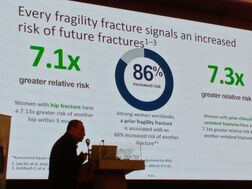
Dr Chee explains, “As we lose the micro-functional integrity of our bone material, we not only compromise bone strength but also impact the overall function of our immune system.” The implications of osteoporosis are alarming; it causes over 8.9 million fractures annually, translating to a fracture every three seconds. The impact of menopause on women's bone health Age is the primary risk factor, with individuals over 65 being particularly vulnerable. The incidence of osteoporosis is expected to rise as our population ages. Notably, women experience a sharper decline in bone mass post-menopause, making them more susceptible to fractures—1 in 3 women and 1 in 5 men will suffer an osteoporosis-related fracture in their lifetime. Fragility fractures associated with disability The risk of sustaining fragility fractures is significantly high. Once a fragility fracture occurs, the likelihood of experiencing another fragility fracture—particularly in the hip or spine—increases dramatically. These fractures can lead to serious complications that affect individuals physically, emotionally, and financially. Following a fragility fracture, individuals often find themselves unable to perform daily activities, which leads to mobility challenges and a diminished quality of life. This can result in increased frailty and a loss of independence, potentially necessitating admission to nursing homes or long-term care facilities. Patients with a history of fragility fractures are ten times more likely to sustain additional fractures. Furthermore, non-skeletal consequences such as chronic pain and depression can arise, eroding confidence and increasing anxiety about future falls, fractures, and the possibility of nursing home placement. This reduced independence places a burden on both patients and their caregivers, leading to lost workdays and wages. Alarmingly, 25% of patients who suffer a hip fracture may die within one year. Despite these risks, two-thirds of individuals who experience a fragility fracture are neither investigated nor treated for osteoporosis. A study conducted among postmenopausal women in Asia (N=1,122) who were discharged after a hip fracture revealed concerning statistics: only 52% were informed of their osteoporosis diagnosis, merely 28% underwent bone mass density measurements, and only 33% received osteoporosis treatment within six months of discharge. The results of this survey indicate a significant under-treatment of osteoporosis in patients. This situation must change, as fragility fractures resulting from osteoporosis can lead to numerous serious complications. Several silent signs to be aware of include kyphosis, which is characterized by a progressive curvature of the spine; loss of height, defined as a prospective loss of more than 2 cm or a historical loss of 4 cm; and a decreased ability to perform the "get up and go" test. Risk factors for osteoporosis Key risk factors include age, particularly for those over 65 or 70 years old. Gender also plays a role, with women being at a higher risk due to menopause, which results in a significant drop in bone density. A low body mass index (BMI) of less than 21 increases the risk of osteoporosis, underscoring the importance of maintaining a healthy weight—not being excessively overweight or underweight. A family history of osteoporosis can further elevate risk, as can having previously sustained a fragility fracture, which some individuals may not even realize until an X-ray is performed. Other contributing factors include smoking, excessive alcohol consumption, and the use of steroids. Additionally, individuals with metabolic diseases such as diabetes, rheumatoid arthritis, hypothyroidism, and malnutrition are also at increased risk for developing osteoporosis. Non-pharmacological treatments To combat osteoporosis, ensure you consume adequate amounts of calcium and vitamin D daily; the recommended intake is 1,200 mg of calcium and 800 units of vitamin D. A balanced diet is essential, along with maintaining a healthy body weight (BMI). Engage in regular exercise that includes weight-bearing, resistance, balance, and flexibility workouts. Additionally, it is crucial to stop smoking and limit excessive alcohol consumption. Bone remodeling Bone physiology consists of two primary processes: bone resorption and bone formation. Bone resorption involves the removal of old bone, while bone formation is the process of laying down new bone. A healthy balance between these two processes is vital for maintaining bone health. When this balance is disrupted—specifically, when resorption exceeds formation—osteoporosis can develop. Drug treatments for osteoporosis Osteoporosis drug treatments focus on inhibiting bone resorption and promoting bone formation. These treatments can be categorized as follows:
Anabolics for osteoporosis Forteo and Evenity are anabolic injections that promote bone formation, administered daily or monthly. However, these treatments are more expensive and are typically prescribed for individuals with severe osteoporosis or those who have not responded to anti-resorptive therapies. They significantly improve bone structure and yield larger increases in bone mass density. It is important to note that the anabolic effects of these drugs diminish rapidly once treatment is discontinued. Duration of osteoporosis treatment Dr Chee recommends that after initiating treatment, patients should have their dexterity assessed and bone mass density checked after two years. If the T-score shows improvement to a satisfactory level, treatment may be paused. However, if bone mass density declines again, treatment should be resumed. Conversely, if the T-score does not improve or falls below baseline levels, or if a new fragility fracture occurs during treatment, it may be necessary to switch to anabolic therapies. Lifestyle modifications, including adequate calcium and vitamin D intake, regular exercise, and cessation of smoking and alcohol, are also advised. Surgery Vertebroplasty, which involves injecting bone cement for osteoporotic spinal fractures, is performed for compression fractures accompanied by severe pain. This procedure can provide immediate and effective pain relief while correcting deformities. For hip fractures resulting from osteoporosis, surgical intervention is often the best option if the patient is medically stable. Early surgical treatment offers the best chance for effective pain control and restoration of function while minimizing complications associated with prolonged bed rest and immobility, thereby reducing mortality rates. Total hip replacement or hemiarthroplasty, along with cemented implants, are commonly used procedures. Surgery facilitates early mobilization, prompt physiotherapy, pain relief, and functional recovery, ultimately decreasing mortality risks. Fall prevention Effectively manage underlying medical conditions such as diabetes and hypertension. Caution is advised when using certain medications, like sedatives, and it is important to limit alcohol consumption. Regular exercise focusing on balance, strength, and flexibility is essential. Additionally, minimizing hazards at home is crucial; ensure proper lighting, consider installing handrails for stairs and toilets, and use appropriate floor mats. Walking aids should be utilized if necessary, and wearing well-fitting shoes with broad heels and non-slip soles is recommended. Take your time when standing up or moving around; avoid rushing, especially when navigating stairs. |

- IN THE SPOTLIGHT
-
HEALTH CONDITIONS
- ANTIMICROBIAL RESISTANCE
- ARTHRITIS
- ASTHMA
- BACK PAIN
- BRAIN DISORDERS
- BREAST CANCER
- CANCER
- CARDIOVASCULAR DISEASE
- CERVICAL CANCER
- CORONAVIRUS DISEASE (COVID-19)
- DEMENTIA
- DENGUE
- DENTAL PROBLEMS
- DIABETES
- DRUG ABUSE
- EAR, NOSE AND THROAT
- ECZEMA
- EPILEPSY
- EYE
- FIBROIDS
- GASTROINTESTINAL DISEASES
- INFLUENZA (FLU)
- HEADACHES & MIGRAINES
- HEPATITIS
- HIV & AIDS
- JOINT PAIN
- KIDNEY DISEASE
- LUNG CANCER
- LUPUS
- MELASMA
- MENTAL HEALTH
- MOUTH-AND-TEETH
- OBESITY
- OSTEOPOROSIS
- OVARIAN DYSFUNCTION: UNDERSTANDING PREMATURE OVARIAN FAILURE, POLYCYSTIC OVARY DISEASE AND INFERTILITY
- SEXUAL & REPRODUCTIVE HEALTH
- SKIN CONDITIONS
- SLEEP
- STROKE
- DISABILITIES & SPECIAL ABILITIES
- NURSING RESOURCES
- DIGITAL HEALTH
- HEALTH PRODUCTS & SERVICES
- RELATIONSHIPS
- FAMILY HEALTH & PARENTING
- EMPOWERING WOMEN
- MEN'S WELLNESS
- GOLDEN YEARS
- ACTIVE LIFE HUB
- NUTRITION
- COMPLIMENTARY MEDICINE
- HUMANITARIAN & COMMUNITY HEALTH
- AMBULANCE AND FIRST AID GUIDE
- Community clinics/ Klinik Komuniti
- Government Dental Clinics / Klinik Pergigian Kerajaan
- ABOUT US