A caregiver's guide to senior bathing and hygiene
January 10, 2023 @9.51pm

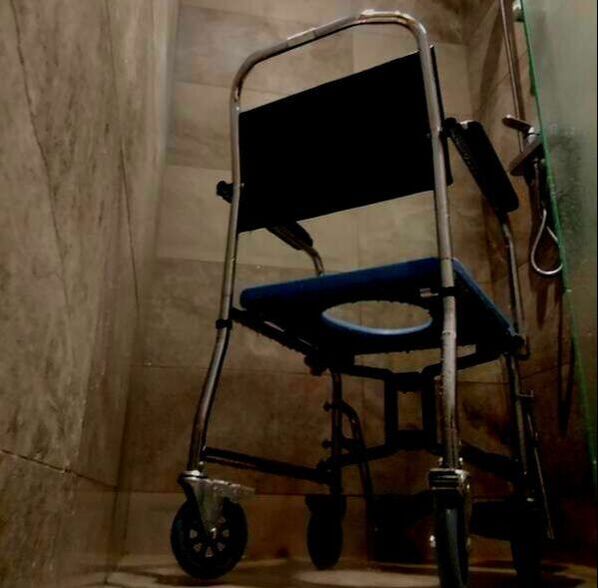
Commode wheelchairs are commonly used for bathing and toileting activities. It is made from materials that can be used in wet settings unlike other types of wheelchairs.
|
ADVERTISEMENT |
|
We would have grown up with our parents, grandparents or even our relatives. During those years, we would have learnt what was required of us - the likes and dislikes - the verbal and non-verbal cues.
However, as the years go by - physical disabilities starts setting in, and gradually their mental statuses starts deteriorating. For some, it may be an unexpected event such as an accident or a stroke that may have left them bedridden. In these circumstances, daily self-care activities such as maintaining the hygiene of hair, nails, teeth and bathing - in particular is a struggle as they are on bed rest and may have limited ability to move. They may equally experience pain when touched. Understanding how to properly care for the elderly person in your life can be tricky, especially when it comes to home care and cleaning. “My grandmother was 85 years old when she suffered a stroke. I would assist my mother to tube feed her, while my sister - would give her a wipe down during her semester breaks. A month later - the tube was removed. Although she was not strong and quick as before, she could still walk which made it easier to get her to sit up on the bed and into the wheelchair. From the bedroom, my mother or my sister would push her to the bathroom and slowly get her to sit in the commode to give her a warm bath,” shares Din. “When my mother was off to work, and my sister back to the university, I had to step up and give her a bath. Initially, it was challenging for me due to the smell. Apart from that, she use to cover her privates as she felt uneasy. This made it harder for me. So, I had to tell her repeatedly that I was her grandson and there was nothing to be ashamed off. It took me nearly two-weeks to get to a routine that made bath time easier and more comfortable for us both. Deseree, a full-time caregiver for the past three-years stresses on the importance of adequate cleaning on a regular basis with compassion and gentleness. “Caring for the elderly requires patience. One method doesn’t fit all. As a caregiver, you should acknowledge that many elderly patients get uncomfortable with the idea of taking a bath. It involves more than just techniques. To reduce anxiety and risk of falls, pre-planning for bath time can be very helpful. Determining what suits your loved one most may take time. “The most important thing you can do is to communicate openly with the person you’re caring for. Chances are they would give you a nod or a smile if it was ‘ok’ or otherwise when he or she is uncomfortable”. During the bathing process:
Body care: other hygiene Teeth: Whether or not your loved one is able to brush his or her own teeth, make sure the toothbrush is long and thick enough for them to grip. An electric toothbrush can be a helpful option for fewer precise movements. Electric toothbrushes are also useful for you if you are brushing a person’s teeth for them. Nails: If needed, clip or trim nails after bathing when the nails are softer. Hair: Individuals who do not bathe regularly can develop oil build-ups and other scalp problems. If mobility issues prevent showering or baths, try bringing the individual to a salon or use a portable/bedside hair basin. Hair basins may also be a more convenient, larger option than a sink for washing hair. Consider using dry shampoo to reduce oil build-up between wet washes. Bed baths Bed baths can be offered to elderly adults who are incapable of moving. Before you begin, ensure all the right supplies as listed below are easily accessible.
Start with simply placing towels beneath and around the elderly person prior to the bath, in order to keep water from seeping into the bed. He or she may feel cold, so turn off the air-conditioning or lower the fan speed in the room. Be mindful to only uncover the part of the body that you are cleaning at any given time so that the elderly person is comfortable and warm as possible. Begin by washing the top of the body. Start with the shoulders and slowly move down each side of the body with the body wash and warm water to clean. Use a separate wash cloth and water to rinse off all the body wash as any residues may cause skin irritation such as dryness, rashes and itchy skin. Once this is done, use a towel to gently pat them dry. Avoid vigorous rubbing of the skin. When one side is done, move over to the other before finally washing the private parts. Most elderly patients may be uncomfortable with this, so practice compassion in order not to embarrass them. Finally, clean the area completely and make sure it is dry before covering the elderly person back up. When this is done, you may want to wash the elderly person’s hair with a waterless shampoo for those who may not want to get their hair completely wet. Otherwise, you may use a water basin - specifically designed for washing hair in bed. This ensures the patient doesn't need to move or leave their bed. Remember to check the water temperature - so that it is not too cold or too hot. Cover the top portion of the bed with towels before you place the basin and wash the elderly patient’s hair as usual. Use a towel to dry the hair gently once you are done. |
EXPLORE FURTHER






|
Growing strong with age: How you can experience life-changing benefits with regular exercise |

|
Getting over retirement guiltActionable steps for a brighter outlook
|

|
Recent innovations in healthy ageingProactive assessment and preventive regimens for optimal health
|
|
Caring for elderly people with orthopaedic problems |