Addressing the impact of drug policies on women and youthNOVEMBER 5, 2023
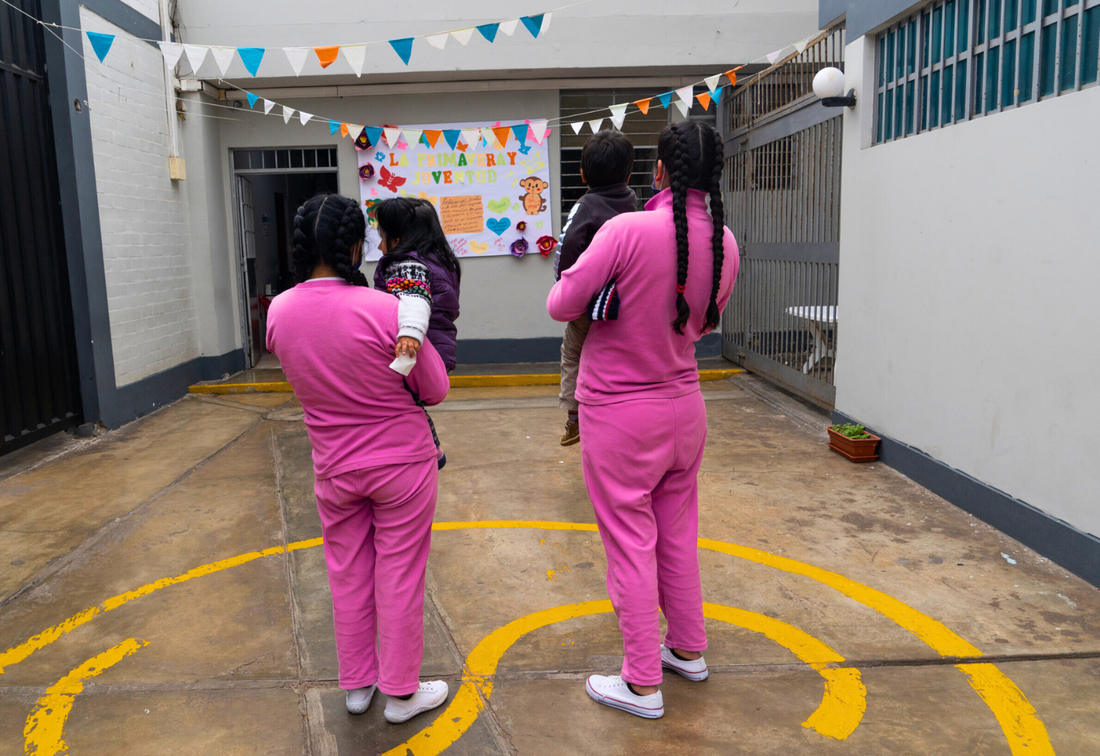
The impact of drug policies on vulnerable populations, particularly women and young people, is a growing concern in South East Asia. As these policies continue to shape the social landscape, it is increasingly crucial to illuminate the experiences and challenges faced by those affected. The imperative task of strengthening and amplifying the voices of women and young people affected by drug policies in South East Asia has garnered significant attention.
This endeavor seeks to unravel the multifaceted struggles and advocate for reform efforts grounded in human rights, public health, and gender perspectives. Dr Nur Afiqah Mohd Salleh, a senior lecturer at the Department of Social and Preventive Medicine, Faculty of Medicine, University Malaya, has been at the forefront of addressing this critical issue, offering insights and narratives that underscore the urgency of reform and advocacy. She shared her expertise at the Human Rights, Prison Health, and Drug Policy Reform hybrid event organized by the Clinical School Johor Bahru, Monash University Malaysia. Collecting stories, identifying needs Women who use drugs are often easy targets due to the misuse of power. One woman shared her distressing experience of being unjustly charged despite being clean for eight years, enduring 75 days in remand without access to essential medication. The separation of women from their children has devastating consequences, as illustrated by the story of a woman whose children were taken away, leading to despair and homelessness. Transgender individuals who use drugs face the absence of tailored treatment services, encountering barriers in accessing the support they desperately need. Youth who use drugs struggle with the absence of familial and institutional support, hindering their post-rehabilitation endeavors and perpetuating societal stigmatization. Conflicting internal views perpetuate narrow perceptions of the role of prison and detention centers, hindering effective rehabilitation efforts. Spouses of people who use drugs navigate complex identities, grappling with the challenges of being wives, mothers, and drug users, shedding light on the intricate dynamics within families affected by drug use. Promoting drug policy reform through advocacy Telling stories, creating new realities, strategizing multimedia formats, improving presence for advocacy efforts, and utilizing collections of stories for advocacy work are essential components of the call for multidisciplinary action. In conclusion, it is evident that drug policies affect not only men but also women, particularly incarcerated women who often have low levels of education, live in poverty, and are the primary caregivers of dependent persons. Therefore, drug policy reforms should be grounded in human rights and public health frameworks, with a gender perspective, to address the specific needs of women and young people, ensuring a more inclusive and equitable approach to drug policy reform. |
EXPLORE FURTHER

|
The complex landscape of drug abuse in Malaysia: A multifaceted analysisUnveiling the historical context, policy responses, and ongoing challenges
|

|
Methamphetamine's menace: Unraveling its impact on mental healthA comprehensive journey into its far-reaching implications
|