Artificial intelligence in IoMT: Potential for early disease detection, classification, and predictionMarch 8, 2024
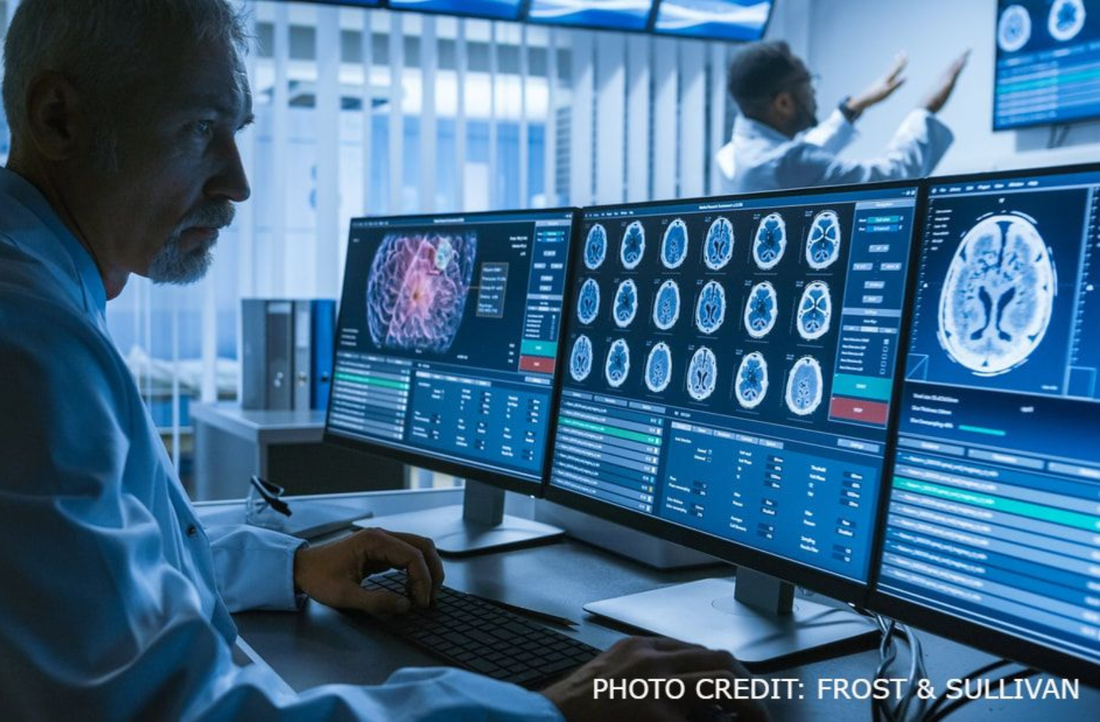
The integration of Artificial Intelligence (AI) with the Internet of Medical Things (IoMT) marks a significant advancement in healthcare, offering immense potential for early disease detection, classification, and prediction. As Professor Dr Sandeep Reddy, Director, Deakin University, highlights at the Future Healthcare Asia 2024 Conference, this convergence has already shown promising results, particularly evident in the context of the Covid-19 pandemic.
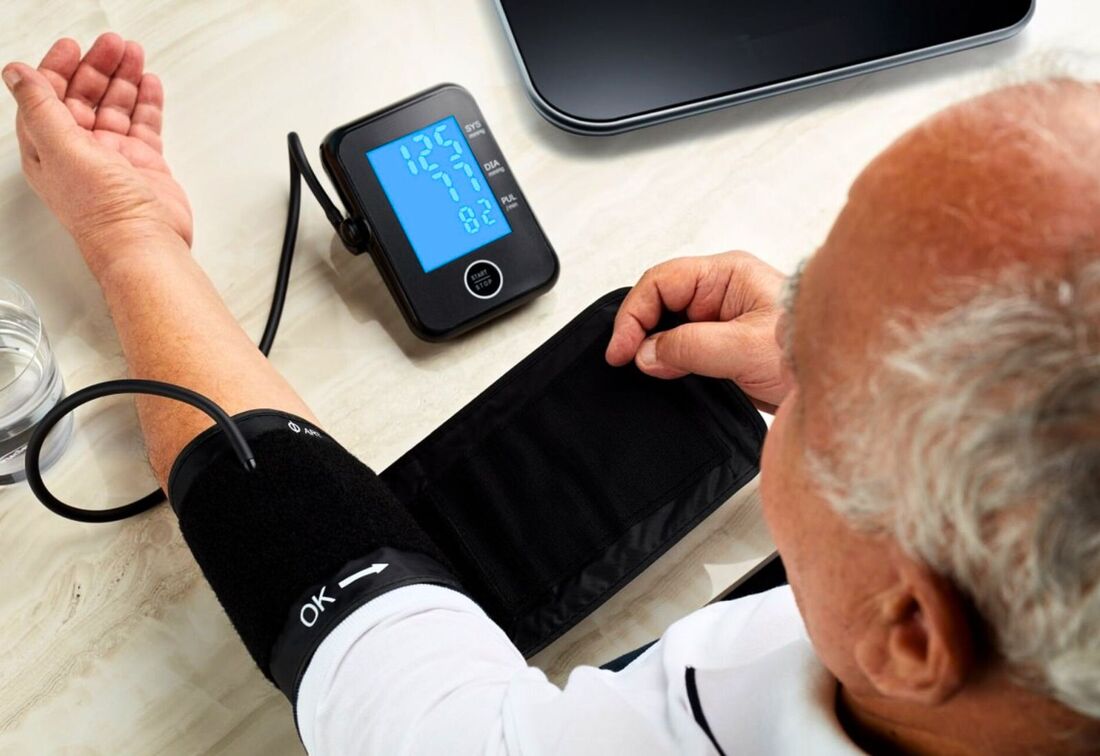
Innovative studies, such as the IoMT framework for early Covid-19 detection, underscore the effectiveness of AI and machine learning in analyzing real-time health data to predict and diagnose diseases promptly. Examples of IoMT applications Remote Patient Monitoring (RPM) Devices: RPM devices, including smartwatches and patches, gather vital patient data such as heart rate and blood oxygen levels, transmitting it in real-time to healthcare professionals via IoMT networks. Smart Inhalers: These devices aid in monitoring and managing respiratory conditions by tracking medication usage and offering insights to patients and healthcare providers. Wireless Blood Pressure Monitors: Automatically recording and wirelessly transmitting blood pressure readings, these devices provide a seamless health log accessible via smartphones or dedicated systems. Implantable Cardioverter-Defibrillators (ICD): Capable of wirelessly transmitting critical heart data, ICDs enable continuous monitoring and swift detection of heart irregularities. Bluetooth-Enabled Digital Thermometers: Offering instant and accurate temperature readings, these devices contribute to efficient temperature monitoring. Smart Glucometers: Employing IoMT, smart glucometers instantly measure blood glucose levels, syncing data to smartphones or the cloud for comprehensive diabetic health management. In the realm of diabetic care, the integration of AI with IoMT devices enables remote patient monitoring, facilitating proactive interventions and early disease management. By collecting and transmitting real-time health data, including glucose levels and vital signs to healthcare providers, individuals with diabetes receive timely support, reducing the risk of complications and hospitalizations. Leveraging AI for enhanced healthcare delivery The utilization of AI algorithms alongside IoMT devices offers a paradigm shift in healthcare delivery. By identifying patients at risk of deterioration or complications, AI-powered IoMT systems enable healthcare providers to intervene proactively, potentially averting hospitalizations and emergency situations. Moreover, by streamlining care pathways and optimizing resource allocation, these integrated solutions enhance the efficiency and effectiveness of healthcare services. However, the adoption of AI in healthcare necessitates careful consideration of ethical and practical challenges. AI models, while proficient in decision-making, may exhibit biases that could impact patient care, leading to concerns regarding fairness and transparency. Furthermore, the opacity of AI decision-making processes poses challenges in accountability and trustworthiness, raising questions about the responsibility for AI-driven interventions. Addressing ethical and practical challenges To mitigate these challenges, frameworks emphasizing fairness, transparency, trustworthiness, and accountability are imperative. Ensuring that AI models are trained on diverse and representative datasets promotes fairness and reduces biases. Additionally, enhancing the explainability of AI algorithms fosters trust among healthcare providers and patients, promoting acceptance and adoption of AI-driven solutions. While challenges persist, the integration of AI with IoMT devices offers unparalleled opportunities to revolutionize healthcare delivery. By harnessing the power of technology, healthcare providers can deliver personalized, proactive care, ultimately improving patient outcomes and enhancing the overall quality of healthcare services. The synergy between AI and IoMT heralds a new era in healthcare, one characterized by predictive, preventive, and personalized medicine. As we navigate the complexities of implementing AI-driven solutions, it is imperative to prioritize ethical considerations and strive for inclusivity and transparency, ensuring that technology serves as a catalyst for positive change in healthcare delivery. |