Comprehensive guide to cancer screening: What you can expectDecember 17, 2023

Cancer screening serves the crucial role of pinpointing potential abnormalities indicating specific cancers or pre-cancerous conditions in asymptomatic individuals, enabling swift referrals for diagnosis and treatment. It's a multifaceted public health intervention, distinct from early diagnosis, and necessitates a profound understanding of the targeted cancer burden before implementation.
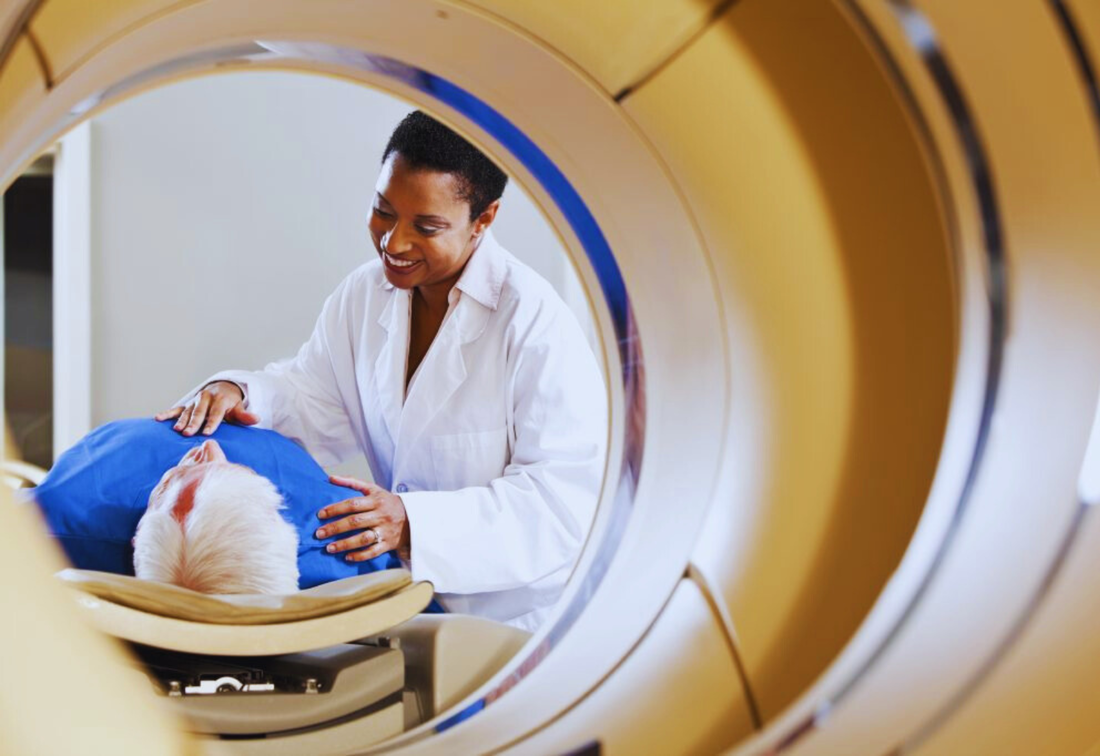
The National Strategic Plan for Cancer Control Programme 2021-2025 in Malaysia delineates four active screening programs: breast, colorectal, cervical, and oral cancer. Breast cancer screening Clinical Breast Examination (CBE): Recommended every three years for women aged 20 to 39, and annually for those aged 40 and above. Healthcare professionals examine breasts for irregularities, feeling for lumps and assessing texture and size. Mammogram: Advised yearly for women aged 40 and above with risk factors. For women aged 50 to 74, it may be performed every two years. A mammogram is an X-ray examination of the breast tissue. It involves compressing the breast for 20 to 30 seconds between two plates to spread the tissue for a clearer image. While this compression might cause discomfort, it's essential for an accurate assessment. The X-ray captures detailed images that are later reviewed by a radiologist. Most findings turn out to be benign, but any abnormalities warrant further evaluation. Colorectal cancer screening The immunochemical fecal occult blood test (iFOBT) detects minute traces of blood in the stool, which could indicate colorectal abnormalities. If the test yields a positive result, a colonoscopy is recommended. A colonoscopy involves a flexible tube with a camera being inserted through the rectum to examine the entire colon. It allows for both examination and potential removal of precancerous polyps, reducing the risk of colorectal cancer development. Individuals aged 50 to 75 should undergo this test every two years. Cervical cancer screening Human Papillomavirus (HPV) test: Recommended for sexually active women aged 30 to 65 via vaginal sample every five years for HPV-negative results. The test involves collecting cervical cells to detect the presence of high-risk HPV strains known to cause cervical cancer. A healthcare professional uses a speculum to visualize the cervix and then collects cells using a spatula or brush. These cells are examined for HPV DNA. This test is highly effective in identifying women at risk for developing cervical cancer and is crucial in guiding preventive measures and early intervention. Oral cancer screening Recommended for individuals aged 18 and above with high-risk habits or in high-risk communities. Dentists examine the mouth for patches, sores, and abnormal tissues, feeling for lumps and checking the throat and neck. Despite the prevalence of lung cancer in Malaysia, a national screening program is absent. However, some private hospitals offer low-dose computed tomography (LDCT) scans for high-risk groups, using minimal radiation for detailed lung images, typically taking a few minutes and causing no discomfort. For nasopharyngeal cancer, screening involves an EBV serology test, especially for individuals with a family history of Nasopharyngeal carcinoma (NPC). The test screens for antibodies against the Epstein-Barr virus (EBV), a known risk factor for nasopharyngeal cancer. Blood samples are collected and analyzed for the presence of these antibodies. However, due to the initial stages of an illness potentially yielding low or undetectable antibody levels, repeated testing within a specific timeframe is often necessary for accurate detection, particularly in those with a family history of NPC. Regarding prostate cancer, the prostate-specific antigen (PSA) test measures the levels of PSA in the blood. Elevated PSA levels could indicate prostate abnormalities, though not always indicative of cancer. The test aids in detection for high-risk individuals, primarily those with close family ties or those displaying symptoms such as difficulty urinating or pelvic pain. Early diagnosis is pivotal in identifying cancer among symptomatic individuals, enabling prompt treatment, reducing morbidity, and mitigating treatment expenses. Detecting cancer early can significantly enhance patient outcomes and diminish care delays. |
EXPLORE FURTHER

|
What is cancer and how does it spread?The differences between cancer cells and normal cells
|

|
Cancer: Different types and originsCategories that initiate within particular cell types.
|
|
|


|
World Cancer Day: What will you do to close the care gap?Social factors or lifestyle can negatively impact the quality of cancer care.
|

|
Fighting cervical cancer in the age of COVID-19Second most common cancer despite it being a preventable disease.
|

|
Below 15 exposed to sexual intercourse, at higher risk of developing cervical cancerOral contraceptives...
|

|
No alternative therapy, magic pill for cure, says breast cancer survivor"There wasn't any pain nor any changes to my breast, but I could feel the lump."
|

|
Evolving treatment for metastatic colorectal cancerColorectal cancer is the most common cancer diagnosed in men
|

|
Locks of Hope: Empowering cancer patients with confidence and supportFree human-hair pieces to individuals battling cancer.
|

|
Chemotherapy: Balancing efficacy and minimizing side effectsFor decades, chemotherapy has remained a cornerstone in cancer treatment...
|

|
PET scans in prostate cancer detectionThe risk of prostate cancer increases with age, and it often coexists with Benign Prostatic Hyperplasia (BPH)
|

|
Triumph over adversity: Stories of courage in the face of cancerThree inspiring individuals defying the odds
|

|
Can you be fired for having cancer?National Human Resource Centre says no provision in Employment Act for cancer
|

|
Nutrition vs. dot-com doctors: Debunking cancer mythsCancer preventive tips from a nutritionist
|
|
How often should you be screened for cancer?Pre-cancer awareness and proper screening is vital.
|

|
Cigarettes cause bladder cancerSmokers are four times more likely to develop bladder cancer than non-smokers.
|

|
Malaysia's cancer landscape: A closer look at incidence, trends and risk factorsChanging cancer incidence patterns in Malaysia
|