Proactive dental care: Preventing tooth decay and gum disease
October 14, 2024

Everyone knows they should get their teeth checked at least once a year, but how many do? After all, if it doesn’t hurt, there’s really no need is there?
Sadly, too many people feel this way, which allows small problems to escalate into bigger issues. At the end of the day, by the time most adults drag their feet to the dentists, they are in considerable pain or having functional issues, and the problem requires more extensive corrective action, which usually results in more pain and higher costs. Besides dental decay, gum disease is also prevalent among adults as well as older persons, leading to loosening of teeth and eventual tooth loss. This further reinforces the perception that visits to the dentists are usually painful and unpleasant. Many adults may pass on their dental phobia to their children, which sets the stage for the same pattern to repeat itself. This can be detrimental to oral health, among people of all ages. Among babies and young children, early childhood caries (ECC) is common, and so is tooth decay in older children and teenagers, who are more likely to consume processed foods, sugary snacks and drinks. These, especially with frequent snacking that increases acid production in the mouth, all contribute to tooth decay. Early childhood caries remains a major challenge among the 5 to 6-year-olds in Malaysia. In the last national oral health survey of preschool children, conducted in 2015, the prevalence of caries was 71.3%, and another study showed that 63.4% of the pre-schoolers had at least one decayed tooth in their primary teeth. Here's how to turn things around. Get an early start Children start to develop teeth from around 6 months of age, and parents should start to familiarize them with dental visits by the time they turn 1 year of age. There are several reasons for this. Firstly, young children are unable to communicate to us if they are experiencing tooth or gum aches. When they fuss and cry, the more common thought is that they are hungry or colicky. Therefore, parents may not relate this behavior with tooth or gum pain, and would not think to check inside their mouths. This may lead to unnecessary suffering for the child and allow the problem to worsen. Secondly, when dental visits are routine and familiar, this allows dentists to reinforce with parents the proper care that is required to maintain the health of their children’s teeth and gums. This allows early detection of any possible problems, and early intervention could save the child a lot of pain, discomfort and other related problems such as malalignment of dentition. As the child grows older, parents are advised to make use of the dental services available at schools for regular checks and updates on their child’s oral health. Be proactive For adults, meanwhile, it is never too late to begin the journey to better oral health. If you have always shied away from dental checkups, try bringing a friend along for support or plan for a small treat afterward to help turn a dental visit into something you can look forward to. Adults are cautioned to be more proactive with checkups as lifestyle habits, chronic conditions and other factors are more likely to have an impact on oral health, and may require more frequent visits. These include:
Invest in the relationship There are those so terrified of checkups that the whole family need to follow along for emotional support, as well as those whose teeth show signs of erosion due to self-induced vomiting characteristic of the eating disorder bulimia. In such cases, a good dentist-patient relationship goes a long way in helping people feel at ease. This can make the overall experience more pleasant. At the end of the day, it is important to find a dentist that you can trust and are comfortable with. Over time, through regular conversation and education, fears and concerns can be addressed. Moving forward, parents are advised to act as role models to children, work to overcome any personal trauma that prevents you – and your child – from getting regular dental checkups. Lastly, remember that tooth decay and gum disease don’t develop overnight. In its early stages, tooth decay and gum problems are reversible. By being proactive, you can help to arrest and reverse the disease pattern, and begin your journey to better oral health, and subsequently better general health and wellbeing. |

EXPLORE FURTHER

|
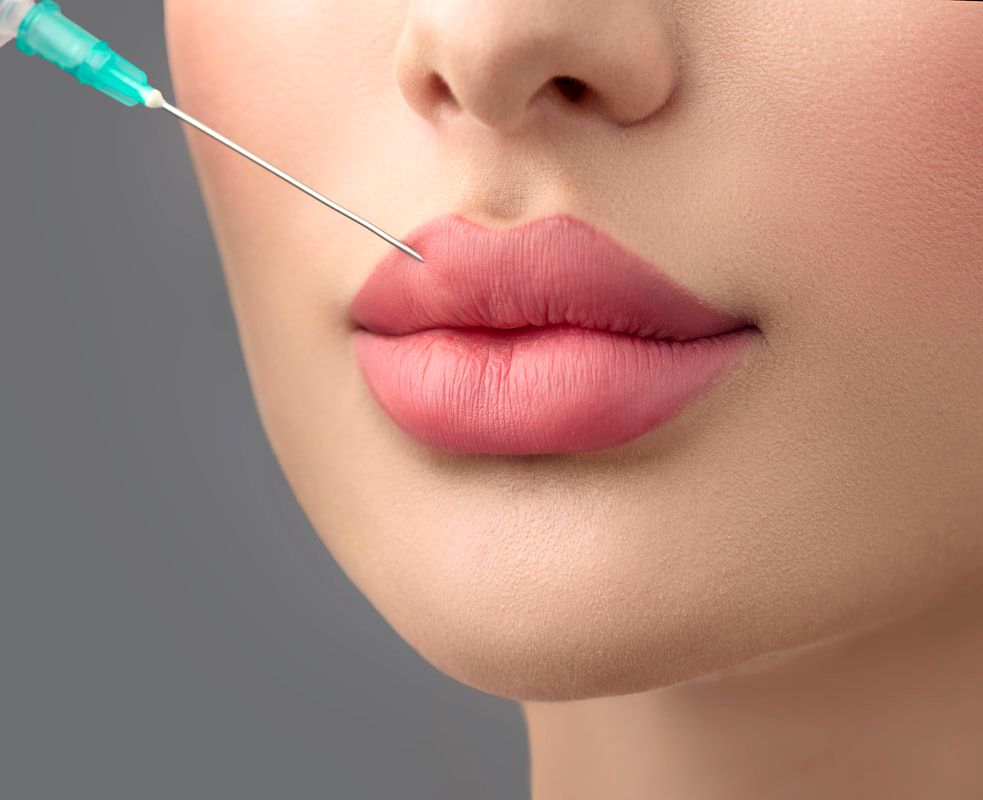
Lip love: Should you rejuvenate or beautify?Restore volume, correct asymmetry, and enhance natural beauty.
|
|
Lip tenting: The secret to a juicy, voluminous poutWhat to expect from this precision filler technique for fuller lips
|