Teh tarik vs. teh O: The struggle every diabetes patient face!January 18, 2025

Festive seasons are special as they are a time for travel and ‘balik kampung’ to visit family, loved ones, and friends. For true Malaysians, delicious, mouth-watering food is surely one of the key highlights of any trip. However, for people living with diabetes, this time of traveling and feasting can be stressful. How can diabetes patients and their caregivers help them enjoy the festivities while maintaining healthy blood sugar levels?
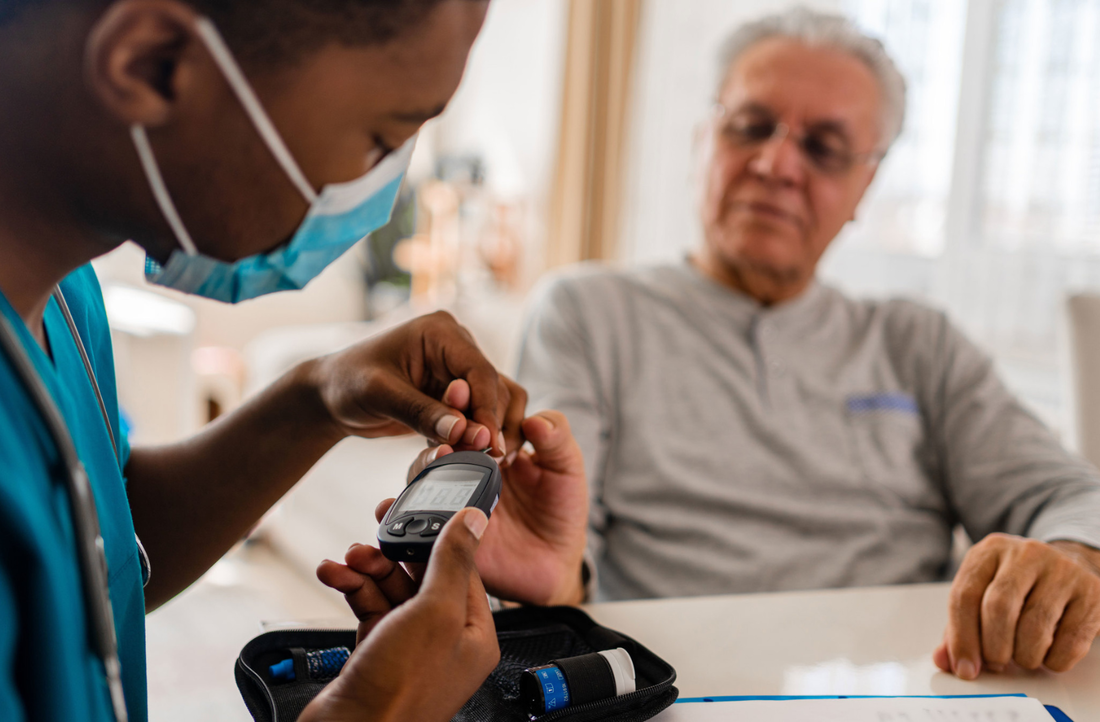
Here’s a compilation of tips for maintaining a healthy blood glucose level while you travel and feast with loved ones 1. Healthy eating Healthy eating does not mean you eat salad while others eat biryani. You can join the fun but choose your food intake wisely. “Go back to the basics and follow the Malaysian Healthy Plate (Pinggan Sihat Malaysia) which advocates a healthy portioning of #SukuSukuSeparuh - carbohydrates (quarter plate), proteins (quarter plate), fruits and vegetables (half plate). This is the best but often forgotten guide for healthy eating which have been mostly taken for granted. When it comes to watching your blood sugar levels, the goal is to practice healthy, balanced meals consisting of variety of food while practicing portion control according to the Malaysian Healthy Plate. Moderation and portion sizing are key factors. You can eat any carbs but in moderation and correct portions. 2. Choose your carbs wisely In the Malaysian diet, carbohydrates such as rice, bread, tosai or noodles are all similar in nature and can be interchangeable. Sources of preferred carbohydrates would be from wholegrain products, fruits, low fat dairy products and legumes. Carbohydrates from sugar sweetened drinks and food such as white sugar, brown sugar, honey, gula Melaka, condensed milk and jam should be limited. Ultimately, portion size is crucial, no matter what type of carbohydrates are being consumed. Sufficient carbohydrates should be included in the daily diet to avoid hypoglycaemia. Adding more fibers and taking low glycemic index food are helpful for diabetes patients. For example, if you are able, choose brown rice over white rice which is higher in fibers. This can help to slow down the sugar absorption and help improve blood sugar levels. 3. Don't skip meals One common mistake by most diabetes patients is to skip meals. This normally happens when they anticipate going to a party or eating out, assuming that by skipping meals, they can manage their blood sugar levels. But this is not true. Skipping meals can negatively impact blood glucose levels and sometimes cause hypoglycaemia or low blood sugar levels in combination with certain diabetes medications or insulin, which may have severe outcomes. 4. Get enough sleep 80-year-old Type 2 diabetes patient, Subramaniam Kalimuthu shared that when he first discovered he had diabetes 30 years ago, one of the challenging lifestyle changes besides diet is to alter his sleeping patterns. “I am used to sleeping late and I realized that it is important to keep to a sufficient and regular sleeping schedule.” Sleep plays an important role in maintaining healthy blood sugar levels. When you are getting enough sleep, you may find that you have an easier time controlling your blood sugar. So, with all the feasting and celebrating that’s coming up, do try not to eat a heavy meal right before bedtime. And alcohol or caffeine late at night is a big no-no! 5. Check your blood sugar regularly Ghazali Baharum, a type 2 diabetes patient shared one of his best practices, which is to check your blood sugar level every time, after two hours of your meal so you are aware of your condition. Ghazali brings his test kit and insulin with him everywhere he goes, especially when travelling. 6. Physical exercise Increasing physical activity and weight reduction are crucial for people with diabetes. A total duration of at least 150 minutes per week, or at least 30 minutes each, most days in a week is recommended. However, types and duration of physical activity or exercise should be individualized and best incorporated into their daily lives as much as possible. Subramaniam helps with household chores and parks his car further when going out in order to incorporate more physical activity in his daily routine. Ghazali on the other hand, takes morning walks within his house compound. The good news regarding significant weight loss is that it helps improve glucose control, and may even lead to reduction or discontinuation of medications. A significant weight loss of more than 15% of initial body weight, at the initial few years of the onset of diabetes can in fact help a diabetes patient to go into remission. For overweight non-diabetes individuals, reducing weight can help in the prevention of diabetes altogether. In summary, diabetes is an intricate and challenging disease that requires the patient to make multiple daily decisions regarding food, physical activity and medications. According to the National Health and Morbidity Survey 2019, it is estimated that 18.3% (3.9 million) of the adult population is currently living with diabetes. This translates to 1 out of 5 persons in Malaysia. What is alarming to note from the survey is that only 50% of the 3.9 million people actually knew that they had diabetes prior to the survey. The same survey also detected that more than 50% of the population is overweight or obese. And it is during these times of celebrations that it is even more important for them with diabetes or at risk for diabetes to watch their diet carefully. Individuals at risk includes people who are overweight or obese, with hypertension and high cholesterol, history of gestational diabetes, abdominal obesity (increased waist circumference), strong family history of diabetes, polycystic ovarian syndrome (PCOS) and those on steroids. Looking at the list, in particular those who are overweight or with family history of diabetes, it basically means almost all should be screened. |

EXPLORE FURTHER

|
Not so sweet: The connection between erectile health and diabetesDiabetes increases the risk of developing ED 3.5 times
|

|
Women with pre-term delivery, gestational diabetes and rheumatoid arthritis at higher risk of heart diseaseThree times at higher risk of cardiovascular deaths
|

|
Diabetes: Subtle signs you should not ignoreSubtle signs include urinating often, thirsty, urinary tract infection, weight...
|

|
Diabetic retinopathy: A common cause for blindness in adultsThe most common eye disease
|

|
Empowering children with type 1 diabetes mellitusIs complete avoidance of sweets and sugar the solution?
|
|
Can diabetes be reversed?Discover the power to reverse diabetes through nutrition and lifestyle
|

|
Maggot debridement therapy: Rescuing limbs from amputationAn innovative modality for the treatment of chronic wounds
|
|
Diabetes treatments continue to evolveGlucagon-like-peptide-1 receptor agonists increases the secretion of insulin
|