What patients should expect when opting for a kidney transplant
March 29, 2022

Jenny Chong Yoke Chin - Senior staff nurse and transplant coordinator at work preparing for a dialysis.
Opting for a kidney transplant can significantly enhance the quality of life for patients compared to those who rely on dialysis. Typically, kidney transplant patients experience longer lifespans and improved well-being. In contrast, patients undergoing hemodialysis must attend sessions three times a week, dedicating nearly four hours each time to receive treatment. This process can be exhausting and financially burdensome.
The search for a donor Finding a healthy kidney often involves a family affair. Initially, discussions about potential donors usually focus on the patient’s immediate family, such as parents or siblings, as they are often the best matches. If no suitable donor is found within the immediate family, the search extends to extended family members, in-laws, spouses, and even grandparents. The preparation process The journey toward a kidney transplant begins with a referral for a new patient in need. A meeting is arranged between the donor and the patient, where both parties engage in a detailed discussion about the benefits of a kidney transplant compared to dialysis. This session also covers potential risks associated with the procedure. Once both the donor and patient are informed and agree to proceed, the donor undergoes a thorough evaluation process. This includes a comprehensive assessment of medical history, blood and urine tests, as well as cardiac and radiological investigations to identify any health risks and prepare for potential future complications. Jenny Chong Yoke Chin, senior staff nurse and transplant coordinator at Sunway Medical Centre, emphasizes the importance of early counseling and testing. "Once we confirm with the transplant physician that the donor does not have any contraindications, my role as transplant coordinator takes over. I coordinate various tests to assess the patient’s health, such as blood results, radiology reports, and special diagnostic evaluations, updating the physician at each stage of the evaluation. The physician will then determine whether the transplant process can advance to the next stage," she explains. After the transplant Once the transplant is successfully completed without complications, both the donor and recipient typically take about six weeks to return to their normal lives. Donors are usually discharged from the hospital within three to five days post-surgery to recover at home, returning for a follow-up visit two weeks later to monitor their recovery. The recipient, however, remains in the hospital for at least a week for close monitoring. In an ideal scenario, dialysis can be discontinued immediately if the transplanted kidney is functioning well. It’s crucial to understand that after a kidney donation, the remaining kidney's function is reduced by half, as both the donor and recipient will only have one kidney each. Regaining a new zest for life One of the most rewarding aspects of this journey is witnessing the transformation in patients' lives. The joy of seeing someone who was once sick regain their quality of life is unparalleled. I have witnessed children returning to school, dialysis patients becoming cheerful and approachable, and even heard stories of patients getting married and starting families. This fulfillment drives my passion for providing patients with the information they need to take ownership of their health. |

EXPLORE FURTHER
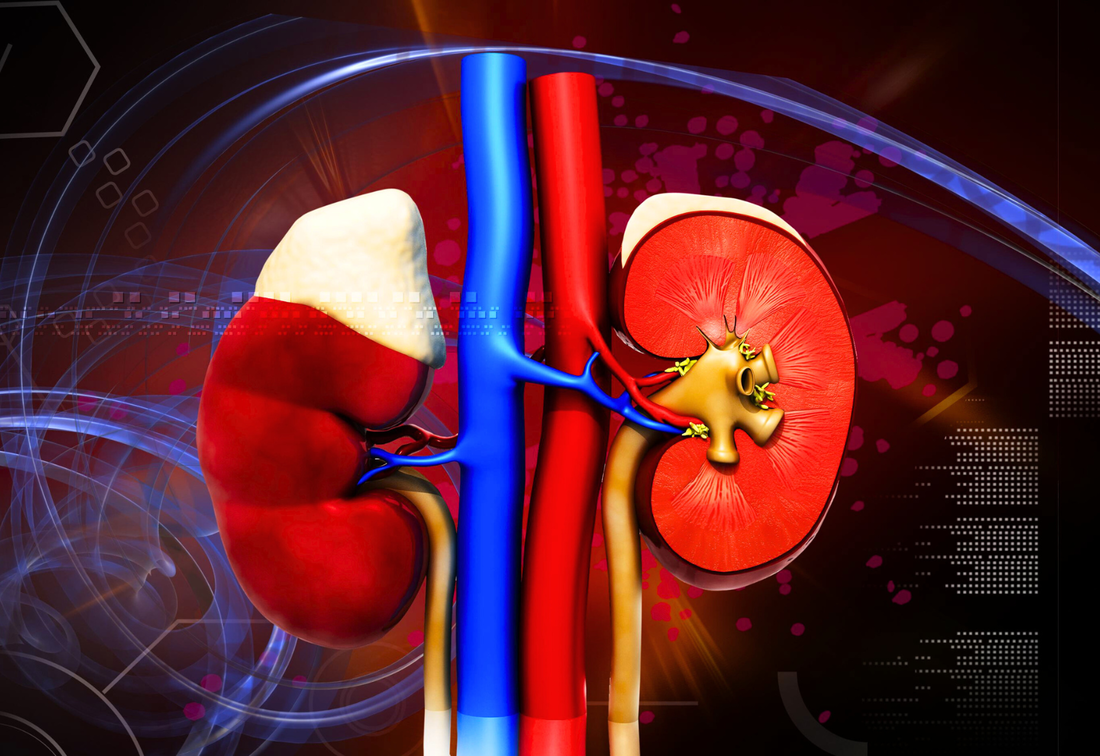
|
The silent crisis: Examining acute kidney injuryKey symptoms to identify for early detection of acute kidney injury
|

|
Pros and cons of getting a kidney transplantOnly half of dialysis patients survive five years post-treatment
|

|
Early warning signs of kidney cancerTumors often discovered incidentally; symptoms include painless haematuria and swelling
|
|
Nephrologist says only 30 get into kidney donation programme from 21,000 in waiting listThe average waiting time for an organ transplant is between 14 and 16 years
|

|
Renal denervation consensus paper now published in hypertension research journalA collaborative effort to combat hypertension
|

|
National Kidney Foundation refutes claims of viral posting promoting a cure for kidney disease
Jisheng Kidney Qi tablets - a cure for kidney disease a scam, says NKF
|

|
Cranberries, high doses of vitamin C causes kidney stones, says clinical journalOxalate in cranberries a contributing factor
|

|
Mybuahpinggang.com website launched to empower kidney failure patients, caregivers nationwidePractical resources on kidney diseases, treatment, dialysis and transplant
|