Cancer diagnostics: Tests and results explainedUpdated December 18, 2023


When it comes to potential signs of cancer, understanding the diagnostic process is key. Your doctor begins by exploring symptoms or test findings that may hint at cancer or other underlying causes. However, pinpointing cancer isn't a straightforward task, as there's no single definitive test for diagnosis. Instead, a series of steps are taken, starting with an exploration of your medical history, a physical examination, and then various tests and procedures.
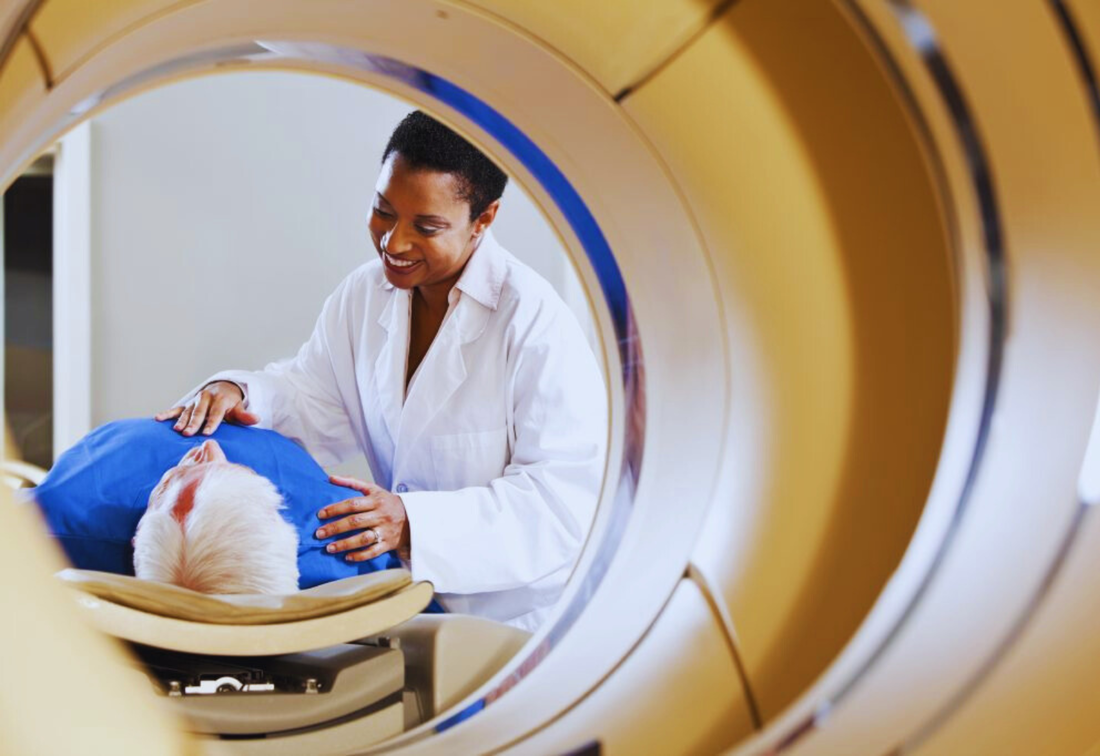
Exploring the diagnostic journey The diagnostic journey often involves a range of assessments tailored to your unique situation. Your doctor might request lab tests, imaging scans, or additional procedures based on your symptoms. Sometimes, a biopsy becomes necessary—an essential step to conclusively confirm the presence of cancer. Interpreting test results can be an anxious waiting game. Often, these results might appear in your patient portal before your doctor discusses them with you. Remember, your doctor remains your best guide in interpreting and explaining what these results mean for your health. Insight into lab tests Lab tests examining substances in your blood, urine, or other bodily fluids can provide valuable insights. However, abnormal results don't automatically signify cancer. These results are considered alongside other tests and imaging to piece together a comprehensive understanding of the situation. Variations in lab results are normal, influenced by factors such as age, gender, race, medical history, and overall health. Sometimes, even with cancer, results might fall within the normal range, or conversely, they may indicate an issue when you're perfectly healthy. Lab tests serve as puzzle pieces in diagnosing cancer, but they're not the sole determining factor. They're a part of a larger investigative process that includes biopsies, imaging, and your doctor's expertise in analyzing your overall health. Common lab tests Several types of lab tests aid used to help diagnose cancer are listed below. Blood chemistry test A blood chemistry test measures the amounts of certain substances that are released into the blood by the organs and tissues of the body. These substances include metabolites, electrolytes, fats, sugars, and proteins, including enzymes. Blood chemistry tests give important information about how well your kidneys, liver, and other organs are working. High or low levels of some substances in the blood can be a sign of disease or treatment side effects. Complete blood count (CBC) The CBC measures the number of red blood cells, white blood cells, and platelets in your blood. It also measures the amount of hemoglobin (the protein that carries oxygen) in your blood, the amount of your blood that is made up of red blood cells (hematocrit), the size of your red blood cells, and the amount of hemoglobin in your red blood cells. The CBC is often part of a routine health check-up. It can help diagnose some cancers, especially leukemias. It is also used to monitor your health during and after treatment. Cytogenetic analysis Cytogenetic analysis looks for changes in chromosomes in samples of tissue, blood, bone marrow, or amniotic fluid. Chromosome changes may include broken, missing, rearranged, or extra chromosomes. Changes in certain chromosomes may be a sign of a genetic condition or some types of cancer. Cytogenetic analysis may be used to help diagnose cancer, treatment plan, or find out how well treatment is working. Immunophenotyping Immunophenotyping uses antibodies to identify cells based on the types of antigens or markers on the surface of the cells. It is most often done on blood or bone marrow samples. But it may also be done on other body fluids or tissue samples. Immunophenotyping helps diagnose, stage, and monitor blood cancers and other blood disorders, such as leukemias, lymphomas, myelodysplastic syndromes, and myeloproliferative disorders. Liquid biopsy Liquid biopsy is a test done on a sample of blood to look for cancer cells or pieces of DNA from tumor cells that are sometimes released into the blood. A liquid biopsy may help find cancer at an early stage. It may also be used to help plan treatment or to find out how well treatment is working or if cancer has come back. Sputum cytology Sputum cytology looks for abnormal cells in sputum, which is mucus and other matter brought up from the lungs by coughing. Sputum cytology can help diagnose lung cancer. Tumor marker tests Tests for tumor markers measure substances that are produced by cancer cells or other cells of the body in response to cancer. Most tumor markers are made by both normal cells and cancer cells. But they are produced at much higher levels by cancer cells. Tumor markers can be used to help diagnose cancer, decide on treatment, measure how well treatment worked, and watch for signs that the cancer has returned. Urinalysis Urinalysis describes the color of urine and measures its contents, such as sugar, protein, red blood cells, and white blood cells. Urinalysis can help diagnose kidney cancer, bladder cancer, and rarer urothelial cancers. Urine cytology Urine cytology finds disease by looking for abnormal cells shed from the urinary tract into the urine. It helps diagnose kidney cancer, bladder cancer, and rarer urothelial cancers. After cancer treatment, it is used to watch for signs that cancer has returned. Imaging tests used in cancer Imaging tests create pictures of areas inside your body that help the doctor see whether a tumor is present. These pictures can be made in several ways. CT scan A CT scan uses an x-ray machine linked to a computer to take a series of pictures of your organs from different angles. These pictures are used to create detailed 3-D images of the inside of your body. Sometimes, you may receive a dye or other contrast material before you have the scan. You might swallow the dye, or it may be given by a needle into a vein. Contrast material helps make the pictures easier to read by highlighting certain areas in the body. During the CT scan, you will lie still on a table that slides into a donut-shaped scanner. The CT machine moves around you, taking pictures. MRI An MRI uses a powerful magnet and radio waves to take pictures of your body in slices. These slices are combined to create detailed images of the inside of your body, which can show places where there may be tumors. When you have an MRI, you lie still on a table that is pushed into a long chamber that surrounds part or all of your body. The MRI machine makes loud thumping noises and rhythmic beats. Sometimes, you might have a special dye injected into your vein before or during your MRI exam. This dye, called a contrast agent, can make tumors show up brighter in the pictures. Nuclear scan A nuclear scan uses radioactive material to take pictures of the inside of the body. This type of scan may also be called a radionuclide scan. Before this scan, you receive an injection of a small amount of radioactive material, which is sometimes called a tracer. It flows through your bloodstream and collects in certain bones or organs. During the scan, you lie still on a table while a machine called a scanner detects and measures the radioactivity in your body, creating pictures of bones or organs on a computer screen or on film. After the scan, the radioactive material in your body will lose its radioactivity over time. It may also leave your body through your urine or stool. Bone scan Bone scans are a type of nuclear scan that check for abnormal areas or damage in the bones. They may be used to diagnose bone cancer or find out whether cancer has spread to the bones from elsewhere in the body (called metastatic bone tumors). Before this test, a very small amount of radioactive material is injected into your vein. As it travels through the blood, the material collects in abnormal areas in the bone. Areas where the material collects show up on pictures taken by a special scanner. These areas are called “hot spots.” PET scan A PET scan is a type of nuclear scan that makes detailed 3-D pictures of areas inside your body where glucose is taken up. Because cancer cells often take up more glucose than healthy cells, the pictures can be used to find cancer in the body. Before the scan, you receive an injection of a tracer called radioactive glucose. During the scan, you will lie still on a table that moves back and forth through a scanner. Ultrasound An ultrasound exam uses high-energy sound waves that people cannot hear. The sound waves echo off tissues inside your body. A computer uses these echoes to create pictures of areas inside your body. This picture is called a sonogram. During an ultrasound exam, you will lie on a table while a technologist slowly moves a device called a transducer, which makes the high-energy sound waves, on the skin over the part of the body that is being examined. The transducer is covered with a warm gel that helps it glide over the skin. X-rays X-rays use low doses of radiation to create pictures inside your body. An x-ray technologist will put you in position and direct the x-ray beam to the correct part of your body. While the images are taken, you will need to stay very still and may need to hold your breath for a second or two. Biopsy In most cases, doctors need to do a biopsy to be certain that you have cancer. A biopsy is a procedure in which the doctor removes a sample of abnormal tissue. A pathologist looks at the tissue under a microscope and runs other tests on the cells in the sample. The pathologist describes the findings in a pathology report, which contains details about your diagnosis. The information in your pathology reports can also help show what treatment options might work for you. The biopsy sample may be obtained in several ways.
Some biopsies may require a sedative or anesthesia. Sedatives are medicine that helps you relax and stay very still or sleep during a biopsy. Anesthesia keeps you from feeling pain. It refers to drugs or other substances that cause you to lose feeling or awareness. There are three types of anesthesia.
What happens if tests show you have cancer If the biopsy and other tests show that you have cancer, you may have more tests to help your doctor plan treatment. For instance, your doctor may do other tests to figure out if the cancer has spread and how far. This information is important for knowing the stage of your cancer. For some cancers, other pathology studies are done to find out the grade of the tumor. Or tumor markers are studied to find out the risk group that you fall into. This information is important for deciding on the best treatment. Your tumor may also be tested further for other tumor markers or biomarkers. |
EXPLORE FURTHER

|
What is cancer and how does it spread?The differences between cancer cells and normal cells
|

|
Cancer: Different types and originsCategories that initiate within particular cell types.
|

|
Comprehensive guide to cancer screening: What you can expectNavigating initial screening apprehensions
|

|
How often should you be screened for cancer?Pre-cancer awareness and proper screening is vital
|
|
|


|
World Cancer Day: What will you do to close the care gap?Social factors or lifestyle can negatively impact the quality of cancer care.
|

|
Fighting cervical cancer in the age of COVID-19Second most common cancer despite it being a preventable disease.
|

|
Below 15 exposed to sexual intercourse, at higher risk of developing cervical cancerOral contraceptives...
|

|
No alternative therapy, magic pill for cure, says breast cancer survivor"There wasn't any pain nor any changes to my breast, but I could feel the lump."
|

|
Evolving treatment for metastatic colorectal cancerColorectal cancer is the most common cancer diagnosed in men
|

|
Locks of Hope: Empowering cancer patients with confidence and supportFree human-hair pieces to individuals battling cancer.
|

|
Chemotherapy: Balancing efficacy and minimizing side effectsFor decades, chemotherapy has remained a cornerstone in cancer treatment...
|

|
PET scans in prostate cancer detectionThe risk of prostate cancer increases with age, and it often coexists with Benign Prostatic Hyperplasia (BPH)
|

|
Triumph over adversity: Stories of courage in the face of cancerThree inspiring individuals defying the odds
|

|
Can you be fired for having cancer?National Human Resource Centre says no provision in Employment Act for cancer
|

|
Nutrition vs. dot-com doctors: Debunking cancer mythsCancer preventive tips from a nutritionist
|
|
How often should you be screened for cancer?Pre-cancer awareness and proper screening is vital.
|

|
Cigarettes cause bladder cancerSmokers are four times more likely to develop bladder cancer than non-smokers.
|

|
Malaysia's cancer landscape: A closer look at incidence, trends and risk factorsChanging cancer incidence patterns in Malaysia
|