Chickenpox in children aged 3 to 6 years
February 18, 2025

After exposure to chickenpox or shingles, it takes two weeks for symptoms to develop. Children can be contagious even before the rash appears, making it difficult to identify who has the virus.
It is common for children between the ages of 3 and 6 to contract chickenpox. This highly contagious illness, caused by the varicella-zoster virus, spreads easily among young children through saliva, mucus, and direct contact with the fluid from the blisters.
Symptoms of chickenpox The hallmark symptom of chickenpox is a rash that evolves into itchy, fluid-filled blisters, which eventually form scabs. Other accompanying symptoms may include:
In some cases, ulcerated lesions may develop on the mucous membranes of the mouth and genitalia, leading to painful sensations that can cause a child to refuse food or drink and experience discomfort during bathroom trips. Complications of chickenpox While chickenpox is typically a mild illness, it can lead to dangerous complications that may require hospitalization. Scratching the itchy lesions can result in secondary bacterial infections of the skin and soft tissue. It is crucial to note that children with eczema or dermatitis may experience more severe skin symptoms when they contract chickenpox. In addition to skin infections, chickenpox can also lead to:
The lifelong presence of the virus Once a child is infected with the varicella-zoster virus, it never completely leaves the body. The virus remains dormant in the spinal cord and can reactivate later in life, particularly as the immune system weakens due to age or stress. This reactivation results in shingles, a painful condition characterized by a burning or tingling pain and a rash with blisters that can last up to five weeks. Shingles can lead to ongoing pain (post-herpetic neuralgia) and, in rare cases, complications such as eye damage, hearing loss, facial paralysis, or swelling of the brain. Protecting your child from chickenpox Preventing chickenpox involves practicing good hygiene, such as thorough handwashing and avoiding contact with infected individuals. However, it's important to note that after exposure to chickenpox or shingles, it takes about two weeks for symptoms to develop. Children can be contagious even before the rash appears, making it difficult to identify who has the virus. Management and treatment If your child contracts chickenpox, here are some ways to help them feel more comfortable:
Special considerations for infants If your baby (up to age 3 months) contracts chickenpox, contact your child’s healthcare provider immediately, as chickenpox poses greater risks to newborns than to older children. While chickenpox can be a common and generally mild illness in children aged 3 to 6, it is essential for parents to be aware of the symptoms, potential complications, and management strategies. Maintaining good hygiene and monitoring your child’s health are key to navigating this illness. Though vaccination is a well-established method to prevent chickenpox, and the varicella-zoster vaccine has been available since 1997, it is not part of the government’s immunization program. Parents should consider their options and consult healthcare professionals for personalized advice. |
EXPLORE FURTHER

|
A parent's guide to hearing loss in young kidsDisparities in access to hearing screening may result in hearing loss going undetected
|

|
Tackling tummy troubles: Managing functional constipation in childrenHow stress, poor diet, milk intolerance, and rushed potty training trigger functional constipation
|

|
Are all baby skin care products truly safe to use?Ingredients that can cause dryness and allergies in baby’s skin
|

|
Food allergies in children can be life threateningDoes a food diary really help?
|

|
Japan's ultimate gaming bed: Balancing entertainment and real-life for teensWhat are its impact on teenagers?
|

|
When teens speak about the opposite sex: How parents can respondGuidance for discussing opposite sex with teen without judgment
|

|
Disturbing trend on TikTok: Cracking eggs on children's foreheads for entertainmentDelicate balance between entertainment and children's emotional well-being
|

|
The ultimate hospital bag checklist for mom and babyA significant step towards a stress-free birthing experience
|

|
Ultrasound to detect abnormalities in pregnancyDetecting abnormalities during different stages of fetal development.
|

|
Postpartum hernia: A common occurrence following a C-sectionPelvic floor exercises during pregnancy
|

|
Should you swaddle your baby?We might think that it is actually uncomfortable, because we ourselves do not want to be that way
|

|
Sudden Infant Death Syndrome (SIDS): Causes, safe sleeping practices, and co-sleeping concernsCot death or crib death
|

|
Do you have enough milk to breastfeed your baby?A good latch increases milk supply
|
|
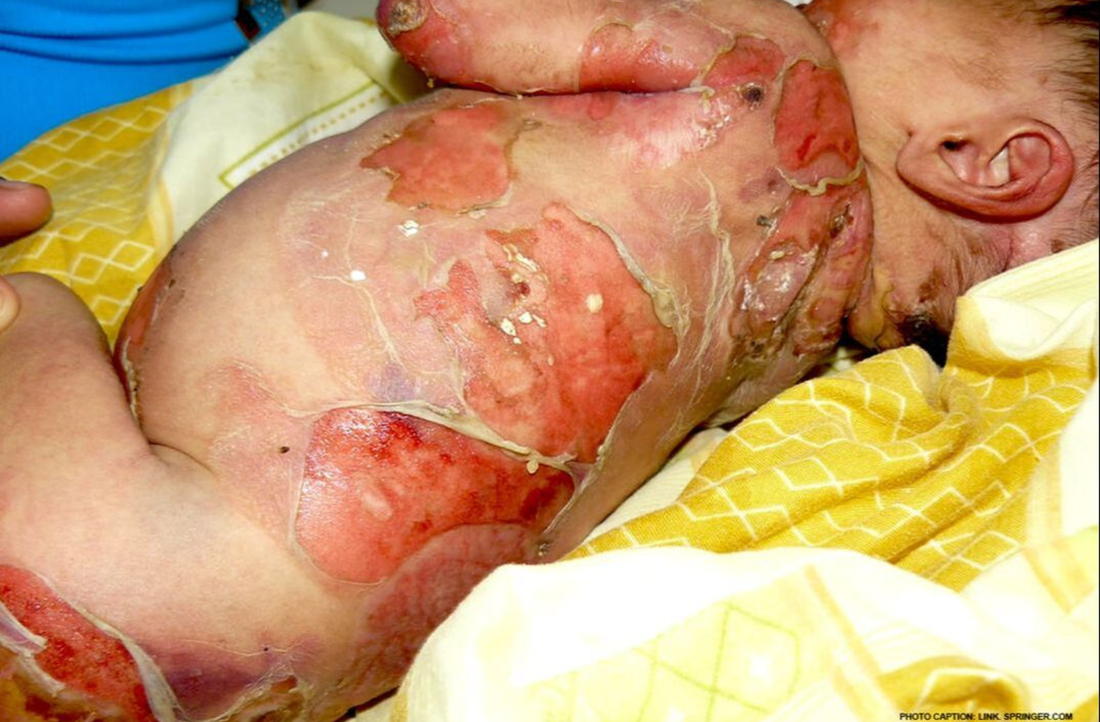
Butterfly children with skin as fragile as a butterflyEpidermolysis Bullosa causes the skin to blister - becoming fragile even at the slightest touch
|

|
Thumb sucking and pacifier use in children affects the bite says dentistThumb sucking causes the teeth to proclinate outwards
|

|
Liquids with natural sugars linked with baby bottle tooth decayChildren who suck on pacifiers dipped in sugar or syrup are equally at risk.
|

|
Debunking myths and reinforcing facts on vaccinationPerak, Terengganu and Pahang record highest number of anti-vaxxers
|

|
Is it ADHD or other developmental disorders?When one toy may not be enough
|

|
Food allergies in children can be life threateningDoes a food diary really help?
|

|
Paracetamol use in childrenToo much paracetamol can cause liver problems
|

|
Guide to winning your child's tantrums on your next road tripFive tips to ace your vacation
|

|
Is my child too short?How do you determine if your child is growing well?
|

|
Identifying Hand-Foot-And-Mouth disease in your childA contagious disease that spreads through touch, saliva and stool
|

|
Breastfeeding as a natural cure for jaundice?Breastfeeding babies lose jaundice in the third week.
|

|
Hemorrhagic disease of the newborn (HDN) as a result of Vitamin K deficiencyBleeding in infancy develops in the first days and weeks of life
|

|
What parents need to know about the 6-in-1 vaccine under the National Immunisation Program for infants and children |

|
Coronavirus: Babies vaccine schedule should not be delayedAre clinics safe? Is there a risk of catching the disease from the attending nurse or doctor?
|

|
Partner participation helps mother breastfeed longer, says studySupport helps mothers breastfeed longer
|

|
The art of babywearing: A guide to safe and convenient parentingBabywearing can be a game-changer, offering hands-free parenting
|

|
Teaching children swimming at a young age: Yay or Nay?Swimming brings lifelong benefits to children and imbue in them essential life skills.
|

|
Squint treatment for children: A life-changing experienceChildren with reduced vision may have delayed developmental milestones
|

|
Family travels over 400km to treat 11-month old son with congenital heart defectTests confirmed that he was born with two holes in his heart.
|

|
Managing scoliosis - torsional deformity of the spine in the youngIdiopathic scoliosis is more apparent during an adolescent’s growth spurt
|

|
Your developing child - How milestones play an important roleEarly experiences can influence lifelong learning and health.
|