Could a single dose of the drug Ivermectin stop the Sars-Cov-2 virus from growing?APRIL 13, 2020 @ 2.25PM
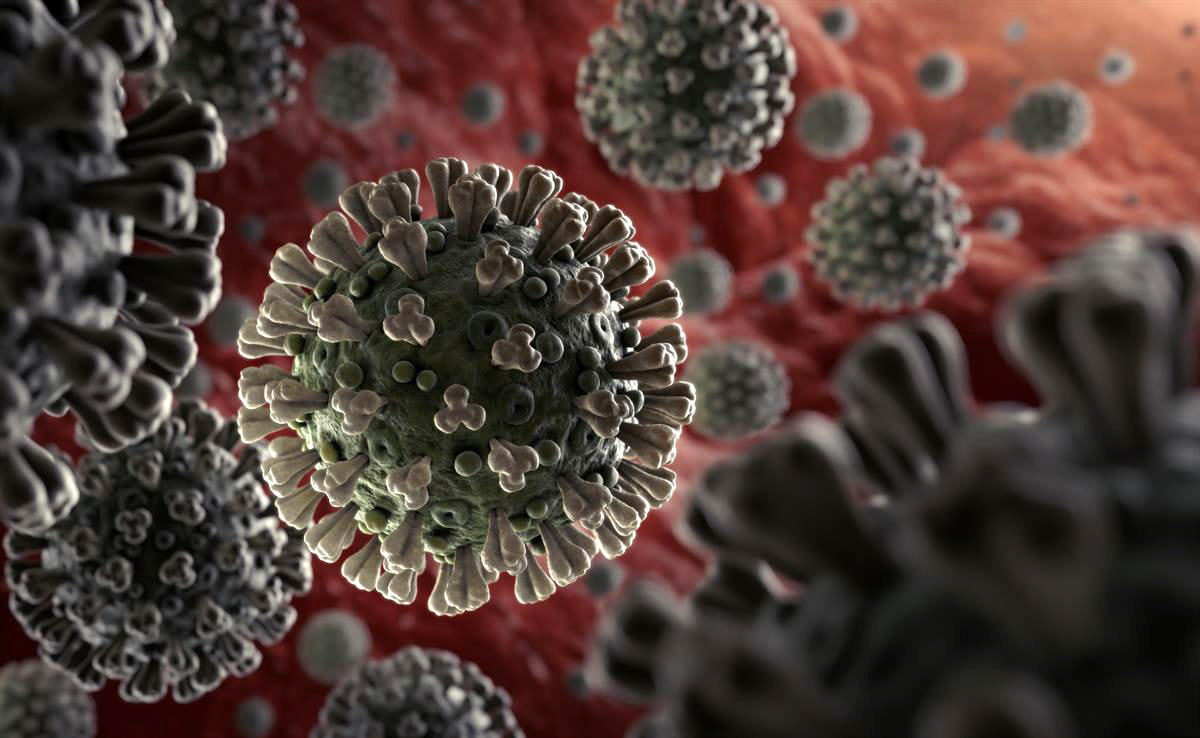
Scientists showed that a single dose of the drug, Ivermectin,
could essentially remove all viral RNA by 48 hours and that even at 24 hours there was a really significant reduction in it.
A collaborative study led by the Monash Biomedicine Discovery Institute (BDI) with the Peter Doherty Institute of Infection and Immunity (Doherty Institute), a joint venture of the University of Melbourne and Royal Melbourne Hospital, has shown that an anti-parasitic drug already available around the world kills the SARS-CoV-2 virus within 48 hours.
The Monash Biomedicine Discovery Institute’s Dr Kylie Wagstaff, who led the study, said the scientists showed that the drug an, Ivermectin, stopped the SARS-CoV-2 virus growing in cell culture within 48 hours. “We found that even a single dose could essentially remove all viral RNA by 48 hours and that even at 24 hours there was a really significant reduction in it,” Dr Wagstaff said. Ivermectin is an FDA-approved anti-parasitic drug that has also been shown to be effective in vitro against a broad range of viruses including HIV, Dengue, Influenza and Zika virus. Dr Wagstaff cautioned that the tests conducted in the study were in vitro and that trials needed to be carried out in people. Safe drug to be used “Ivermectin is very widely used and seen as a safe drug. We need to figure out now whether the dosage you can use in humans will be effective – that’s the next step,” Dr Wagstaff said. “In times when we’re having a global pandemic and there isn’t an approved treatment, if we had a compound that was already available around the world then that might help people sooner. Realistically it’s going to be a while before a vaccine is broadly available. Although the mechanism by which Ivermectin works on the virus is not known, it is likely, based on its action in other viruses, that it works to stop the virus ‘dampening down’ the host cells’ ability to clear it, Dr Wagstaff said. Royal Melbourne Hospital’s Dr Leon Caly, a Senior Medical Scientist at the Victorian Infectious Diseases Reference Laboratory (VIDRL) at the Doherty Institute where the experiments with live coronavirus were conducted, is the study’s first author. “As the virologist who was part of the team who were first to isolate and share SARS-COV2 outside of China in January 2020, I am excited about the prospect of Ivermectin being used as a potential drug against COVID-19,” Dr Caly said. Ivermectin on different viruses Dr Wagstaff made a previous breakthrough finding on Ivermectin in 2012 when she identified the drug and its antiviral activity with Monash Biomedicine Discovery Institute’s Professor David Jans, also an author on this paper. Professor Jans and his team have been researching Ivermectin for more than 10 years with different viruses. Dr Wagstaff and Professor Jans started investigating whether it worked on the SARS-CoV-2 virus as soon as the pandemic was known to have started. The use of Ivermectin to combat COVID-19 would depend on the results of further pre-clinical testing and ultimately clinical trials, with funding urgently required to keep progressing the work, Dr Wagstaff said. Drug repositioning, also known as drug repurposing, recycling, redirecting, re-tasking or reprofiling, has been gaining recognition as a new alternative approach that explores new avenues for the use of pre-existing commercially approved drugs to treat other diseases aside from its intended use in the original disease. According to Prof Sunil K. Lal, Professor of Microbiology in School of Science at Monash University Malaysia, this approach has a myriad of advantages. “The biggest advantage especially in the case of Covid-19, is the ease of upscaling and speed for urgent administration into the field which can be expedited since safety and risk assessment studies on patients have already been conducted as part of the clearance process for the original application of the drug. Additionally, overall developmental expenses will be lower and clearances from the regulatory authorities can be easily expedited.” He added “the greatest advantage of drug repositioning is that it gives new life to novel viral disease like COVID-19. Repositioning existing drugs such as hydroxychloroquine, nucleotide inhibitors, ledipasvir and now most recently Ivermectin for COVID-19 show great promise as new repositioned drugs.” Read the full paper in Antiviral Research titled: The FDA-approved Drug Ivermectin inhibits the replication of SARS-CoV-2 in vitro. |
EXPLORE FURTHER
|
Covid-19: I've got a rash below my face mask!How does one present with face mask allergy or rash?
|

|
Road to recovery: Care after COVID-19Understanding post-acute Sequelae of SARS-CoV-2 infection in patients
|

|
Covid-19: The legal implications of patients' lack of honestyHow can we legally encourage patients to share critical information?
|

|
Is it sinusitis or Covid-19?How COVID-19 symptoms differ from sinusitis: Key insights
|
|
The Malaysian response to Covid-19: Building preparedness for ‘surge capacity’, testing efficiency and containmentEarly coordination key to Malaysia's COVID-19 response success
|

|
Pharmacy cautions against self-medication and self-dosing of 'Ivermectin' to treat COVID-19No human use of Ivermectin is approved or registered in Malaysia
|