Road to recovery: Care after COVID-19JUNE 3, 2021 @ 7.51PM
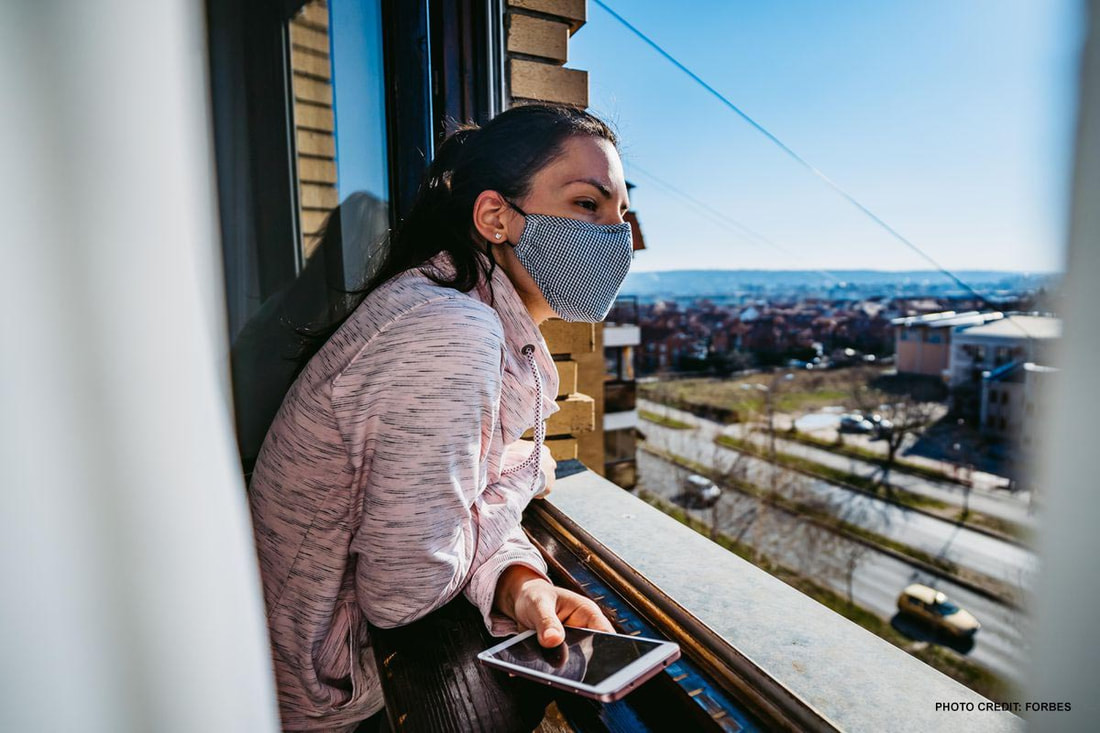
Maintaining a healthy lifestyle and practicing social distancing are essential to prevent re-infection, which is a possibility for patients after several months.

For patients that have recovered from Covid-19, it may seem like the worst of the virus is over – however it is wise for them to maintain proper care and a healthy lifestyle to strengthen their immunity and prevent any further health complications that may arise.
Depending on the severity of their condition, not all patients will require hospitalization. In cases that do, their discharge is at the doctor’s discretion and they can be released from the hospital if it has been at least 10 days since their symptoms first appeared, and 24 hours have passed since their last fever or the use of fever-reducing medication. Dr Nurul Yaqeen Mohd Esa (pix), Consultant Respiratory, Sleep & Internal Medicine Physician from Sunway Medical Centre Velocity (SMCV) shares that patients at the hospital are advised to return for an assessment two to three weeks post discharge to make sure they have completely recovered. “Upon follow up, if there are no symptoms, a test is usually not required. However, if the patient complains of shortness of breath or a non-resolving cough, then we will need to rule out whether the patient might be suffering from interstitial lung disease or organising pneumonia post-Covid-19, pulmonary embolism, or heart attack that can occur post-Covid-19. Based on their condition, we will suggest that the patient go for chest x-rays, electrocardiogram (ECG) tests and cardiac enzyme tests, infection parameters such as C-Reactive Protein and investigations to rule our pulmonary embolisms such as D-dimer and CT pulmonary angiogram scan,” she says. Nurul adds that patients will still have to adhere to strict SOPs as they can still contract the virus again post recovery. They will still need to wear masks and practice social distancing, because there is still a risk of re-infection three months post-Covid-19. Vaccination is still required, because the natural immunity that their bodies built against Covid-19 will only last for up to three to six months. Post-Covid-19 effects in patients Dr Henning Loo Cheng Kien, Consultant Haematologist from SMCV shares that there is a possibility that patients can get complications from Covid-19 including cardiovascular, pulmonary, renal, neurology or psychiatry, and even more serious conditions such as multisystem inflammatory syndrome (MIS) or autoimmune conditions. “Patients might develop something called post-acute sequalae of SARS-COV2 infection (PASC) which persist four weeks after the initial infection. It is the lack of return to a usual state of health following acute Covid-19 illness, and can be new or recurrent symptoms including fatigue, difficulty in thinking or concentrating, difficulty in breathing, cough, chest pain, depression or anxiety, fever, loss of smell or taste or dizziness while standing,” he explains. Henning recommends that patients be diligent in following up with their doctors through a multidisciplinary approach from the chest physician, rehabilitation physiotherapist and psychiatrist. Providing support for recovered Covid-19 patients While each patient may have a different rate of recovery and experience different symptoms in the period post Covid-19, one important thing to note for patients is to make an active and healthy lifestyle a priority. After a patient is discharged, they may also go through various states of recovery both physically and mentally – and this is where support from family or household members is important. “Keeping a balanced and healthy diet will nourish the body and practicing regular exercise to keep the body and mind active is important for recovery. Getting adequate sleep will strengthen one’s immunity, and bear in mind to manage stress accordingly as it can affect one’s overall health,” Nurul adds. Patients who are 100% recovered can fully resume their daily activities, but there are others who may require oxygen therapy to aid their breathing capabilities until they are recovered. Family members and caregivers can provide their support by helping with daily tasks such as eating or even bathing, as well as monitor the patient’s medication intake to ensure they are on track with their prescription. If patients still have concerns pertaining to their post-Covid-19 health status, they should speak to their attending doctor who specialises in treating Covid-19 such as a lung specialist, infectious diseases specialist, and blood disorder specialist who can advise them on the next steps to take. |
EXPLORE FURTHER

|
Pharmacy cautions against self-medication and self-dosing of 'Ivermectin' to treat COVID-19No human use of Ivermectin is approved or registered in Malaysia
|

|
Could a single dose of the drug Ivermectin stop the SARS-COV-2 virus from growing?Ivermectin removed all viral RNA by 48 hours
|
|
The Malaysian response to Covid-19: Building preparedness for ‘surge capacity’, testing efficiency and containmentEarly coordination key to Malaysia's COVID-19 response success
|

|
Is it sinusitis or Covid-19?How COVID-19 symptoms differ from sinusitis: Key insights
|

|
Road to recovery: Care after COVID-19Understanding post-acute Sequelae of SARS-CoV-2 infection in patients
|

|
Covid-19: The legal implications of patients' lack of honestyHow can we legally encourage patients to share critical information?
|