Financing options for metastatic breast cancer treatments
September 25, 2019

Anil Argilla, Cluster Lead, Pfizer Malaysia and Dr Jerusa Naidoo officially launch the Embrace patient assistance program by Pfizer Malaysia.
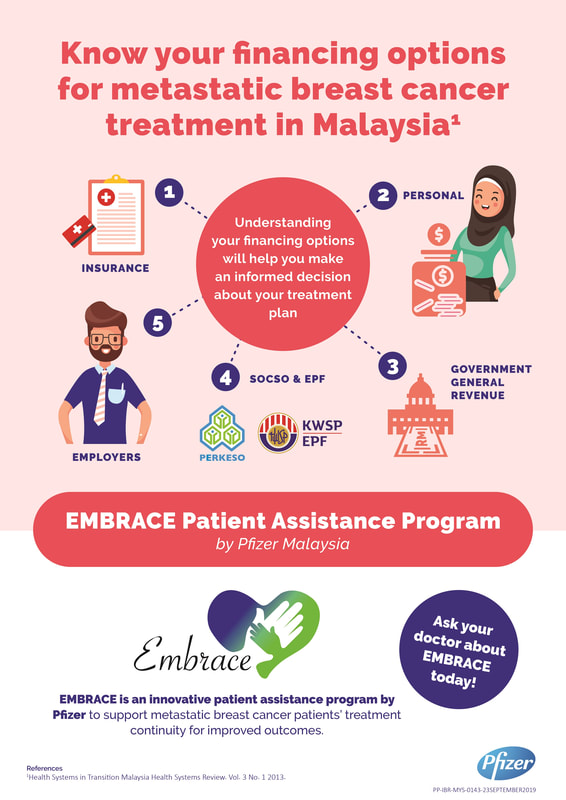
Metastatic breast cancer (mBC), the most advanced stage of breast cancer in which cancer has spread beyond the breast to other organs in the body – remains an incurable condition and is the second leading cause of cancer death among women today. Furthermore, the emotional toll of mBC can be profound and can transcend into the ways people feel about themselves, communicate with others and live their lives.
Even when diagnosed at an early stage, up to 30% of women with early breast cancer will eventually progress to metastatic disease. While the awareness of breast cancer is high, thanks to cultural collective of breast cancer advocacy and awareness activities, the knowledge of mBC still remains low. About three in five surveyed say they know little to nothing about metastatic breast cancer. Shedding light on metastatic breast cancer Pfizer Malaysia, in partnership with Breast Cancer Welfare Association Malaysia (BCWA), aims to elevate public understanding of metastatic breast cancer, dispel misperceptions, combat stigma and expand the breast cancer conversation to be more inclusive of metastatic breast cancer. A survey was conducted by the BCWA in September to find out the mBC literacy level among Malaysians including knowledge, behaviours and treatment-seeking approaches. “We undertook this survey to understand and address gaps in the metastatic breast cancer dialogue across a spectrum of respondents. The survey yielded results that not only help us realise where the misunderstandings are but also help point us to what needs to be done next,” said Ranjit Kaur, president, Breast Cancer Welfare Association Malaysia. Based on the survey, 70% of respondents cited poor awareness of treatment options as one of the major barriers that prevents mBC patients from seeking effective medical treatment, second to affordability. “Improved access to information on mBC and professional guidance on the risks, benefits and uncertainties of different treatment options can empower mBC patients in making personalized and informed decisions that will allow them to live life to the fullest,” added Ranjit. Embracing life with metastatic breast cancer Three out of five surveyed believed that mBC is caused by late detection of breast cancer. This misconception may lead to the stigmatization of people with mBC. It’s important to understand that breast cancer is a multi-dimensional disease with distinct characteristics, patient needs and outcomes. “The burden of the disease should not be shouldered by the patient alone. Speaking from my personal experience, I know how overwhelming a breast cancer diagnosis can be. It is especially frightening if you don’t know what to expect and who to turn to,” said Ranjit. About 62% of survey respondents also believed that mBC was untreatable. The truth is many patients can live long, fulfilling and productive lives while being treated for metastatic disease. There are many approaches to treating mBC and new treatments are being tested every day. “Each patients’ treatment plan will be different because each breast cancer is unique. More importantly, patient can have confidence that there are a wide variety of metastatic treatment options available. While mBC can’t be cured, the goal of mBC treatment is to slow or stop cancer growth while maintaining patients’ quality of life,” said Professor Dato' Dr Yip Cheng-Har. Financing options for mBC treatments Yip also emphasized the importance of access to treatment options and professional guidance to the risks and benefits. When it comes to treatment seeking approaches, the survey revealed that 80% of respondents believed that affordability is the main barrier preventing patients from seeking effective medical treatment. The financial burden of mBC is real and hard to ignore. “I understand that affordability remains one of the main barriers faced by patients when it comes to mBC treatments. There are several financing options in Malaysia that support mBC patients, for example, government hospitals, SOCSO & EPF, insurance and patient assistance programs such as Embrace. Speak to your doctor to learn more,” she added. Embrace is a patient assistance program by Pfizer to support HR+/HER2- mBC patients’ treatment continuity for improved outcome and better quality of life. Through this programme, mBC patients can better plan their finances and gain access to innovative medical treatments. “Beyond developing effective treatments, Pfizer works hand-in-hand with the broader cancer community to support people with breast cancer including metastatic disease. We have partnered with like-minded patient advocacy groups such as BCWA on projects, resources and initiatives over the years to help improve the lives of people living with breast cancer and make their journeys less isolating,” said Dr Jerusha Naidoo, country medical lead, Pfizer Malaysia. Leading change for those touched by metastatic breast cancer There is an unyielding consensus among healthcare professionals, patients, the advocacy community and Pfizer that women living with metastatic breast cancer should be part of the larger breast cancer dialogue and receive the support and information they need. Change will not happen overnight, but with the commitment of multiple parties, we will amplify the voice of mBC patients under a united, common approach:
“I implore my peers and colleagues to encourage their patients to talk to their doctors about their conditions and treatment options. One of the most effective ways to feel in control of your diagnosis is to get involved with choosing your treatment that best reflects your personal needs, wishes and values,” concluded Yip. |

|
EXPLORE FURTHER

|
Decoding breast cancer realitiesAdvancements in anti-HER2 targeted therapy over the past 15 years have showcased substantial progress
|

|
Nipple discharge in breastfeeding and non-breastfeeding patientsCan single females experience nipple discharge?
|

|
Intraductal papilloma: A benign ductal diseaseComplex MRI findings in 40s and 50s: Nipple discharge revealing intricate breast conditions
|

|
What is the likelihood of men getting breast cancer?Factors elevating breast cancer risk in men
|

|
Fibroadenoma, a common benign breast lump prevalent in younger individualsTypes, associated risks and the considerations guiding management strategies
|

|
Phyllodes tumors: Understanding types, risks and treatmentRare and varied nature of phyllodes tumors
|

|
Nipple piercing and smoking possible cause of subareolar abscess in womenConsiderations before nipple piercing
|

|
Decoding BIRADS in breast imaging analysisTailored approaches based on the specific classification of findings
|
|
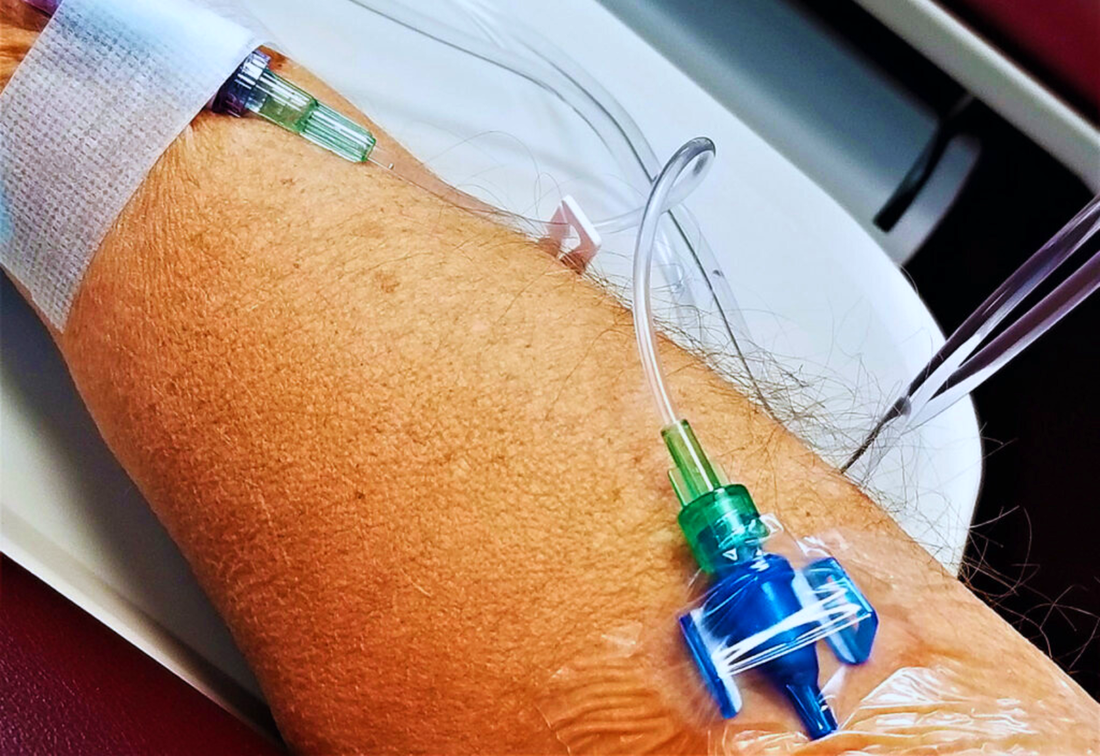
Chemotherapy: Balancing efficacy and minimizing side effectsFor decades, chemotherapy has remained a cornerstone in cancer treatment...
|

|
Navigating breast cancer risk factors in menopausal womenAge, genetic makeup and hormonal balance or lack of it play an important role
|

|
A guide for breast cancer survivorshipAge, genetic makeup and hormonal balance or lack of it play an important role
|

|
Overcoming fibromyxoid sarcoma against all odds
Neng would feel tickles down his throat, with itching and frequent coughs...
|

|
How immunotherapy can better train your immune system when battling with cancer
Tackling the diagnosis for better outcomes
|

|
World Cancer Day: What will you do to close the care gap?Social factors or lifestyle can negatively impact the quality of cancer care.
|

|
Fighting cervical cancer in the age of COVID-19Second most common cancer despite it being a preventable disease.
|

|
Below 15 exposed to sexual intercourse, at higher risk of developing cervical cancerOral contraceptives...
|

|
No alternative therapy, magic pill for cure, says breast cancer survivor"There wasn't any pain nor any changes to my breast, but I could feel the lump."
|
|
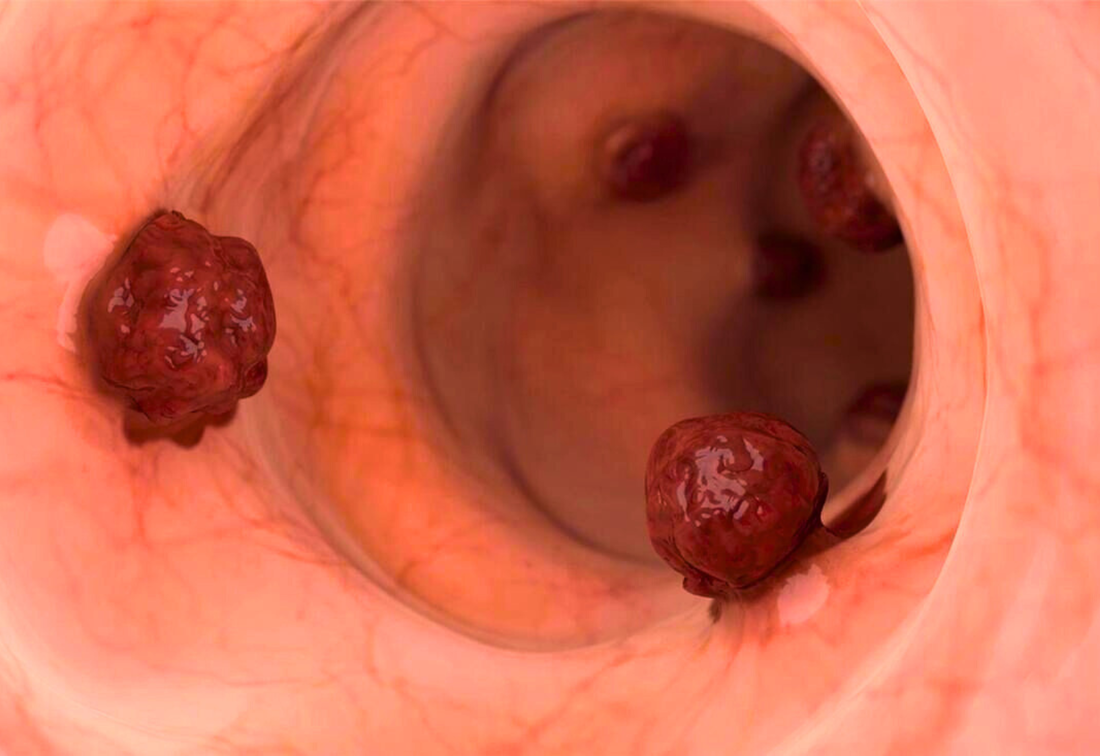
Evolving treatment for metastatic colorectal cancerColorectal cancer is the most common cancer diagnosed in men
|

|
Locks of Hope: Empowering cancer patients with confidence and supportFree human-hair pieces to individuals battling cancer.
|

|
PET scans in prostate cancer detectionThe risk of prostate cancer increases with age, and it often coexists with Benign Prostatic Hyperplasia (BPH)
|

|
Triumph over adversity: Stories of courage in the face of cancerThree inspiring individuals defying the odds
|

|
Can you be fired for having cancer?National Human Resource Centre says no provision in Employment Act for cancer
|

|
Nutrition vs. dot-com doctors: Debunking cancer mythsCancer preventive tips from a nutritionist
|

|
How often should you be screened for cancer?Pre-cancer awareness and proper screening is vital.
|

|
Cigarettes cause bladder cancerSmokers are four times more likely to develop bladder cancer than non-smokers.
|

|
Malaysia's cancer landscape: A closer look at incidence, trends and risk factorsChanging cancer incidence patterns in Malaysia
|