Guarding your breast: Strategies for every ageUpdated December 7, 2023

Breast care isn't just a concern for older women—it's a vital aspect of health across all ages, from adolescence through to the later years. Here are essential tips tailored for each stage of life:
Adolescence and young adulthood: During these formative years, laying a foundation for breast health is crucial. Exercise plays a pivotal role. Regular physical activity not only enhances overall health but also aids in reducing fat cell size, potentially lowering estrogen levels, which are linked to certain cancers. 20s to 30s: Indulging in dark chocolate might seem like a delightful treat, but its benefits extend beyond taste. Researchers have unearthed compounds within dark chocolate that combat enzymes associated with fast-growing cancers. 30s to 40s: Encountering a lump can trigger alarm, but it's essential not to panic. Hormonal fluctuations often lead to benign cysts. While a new lump is unlikely to be cancerous, consulting a doctor for an evaluation is crucial for peace of mind. 40s to 50s: Focusing on dietary choices becomes paramount. Studies suggest a high intake of fruits and vegetables may decrease the risk of estrogen-receptor-negative breast tumors, emphasizing the importance of a nutrient-rich diet. 50s and beyond: Moderation in alcohol consumption is vital. Research shows a direct correlation between increased alcohol intake and elevated breast cancer risk. Limiting alcohol intake can significantly lower this risk. Across all ages: Ensuring adequate sleep is vital for overall health and breast care. Maintaining a consistent sleep routine minimizes exposure to light at night, which can suppress melatonin levels—a hormone associated with breast cancer risk reduction. Additionally, incorporating folate-rich foods like spinach and black-eyed peas, or fortified cereals and grains, ensures ample intake of this vital nutrient. Folate plays a role in DNA repair, potentially reducing cancer risk associated with impaired DNA repair. Remember, prioritizing breast health through lifestyle choices and awareness at every age is key to maintaining overall well-being. |

|

EXPLORE FURTHER

|
Decoding breast cancer realitiesAdvancements in anti-HER2 targeted therapy over the past 15 years have showcased substantial progress
|

|
Nipple discharge in breastfeeding and non-breastfeeding patientsCan single females experience nipple discharge?
|

|
Intraductal papilloma: A benign ductal diseaseComplex MRI findings in 40s and 50s: Nipple discharge revealing intricate breast conditions
|

|
What is the likelihood of men getting breast cancer?Factors elevating breast cancer risk in men
|

|
Fibroadenoma, a common benign breast lump prevalent in younger individualsTypes, associated risks and the considerations guiding management strategies
|

|
Phyllodes tumors: Understanding types, risks and treatmentRare and varied nature of phyllodes tumors
|

|
Nipple piercing and smoking possible cause of subareolar abscess in womenConsiderations before nipple piercing
|

|
Decoding BIRADS in breast imaging analysisTailored approaches based on the specific classification of findings
|

|
Chemotherapy: Balancing efficacy and minimizing side effectsFor decades, chemotherapy has remained a cornerstone in cancer treatment...
|

|
Navigating breast cancer risk factors in menopausal womenAge, genetic makeup and hormonal balance or lack of it play an important role
|

|
A guide for breast cancer survivorshipAge, genetic makeup and hormonal balance or lack of it play an important role
|

|
Overcoming fibromyxoid sarcoma against all odds
Neng would feel tickles down his throat, with itching and frequent coughs...
|

|
How immunotherapy can better train your immune system when battling with cancer
Tackling the diagnosis for better outcomes
|

|
World Cancer Day: What will you do to close the care gap?Social factors or lifestyle can negatively impact the quality of cancer care.
|

|
Fighting cervical cancer in the age of COVID-19Second most common cancer despite it being a preventable disease.
|

|
Below 15 exposed to sexual intercourse, at higher risk of developing cervical cancerOral contraceptives...
|

|
No alternative therapy, magic pill for cure, says breast cancer survivor"There wasn't any pain nor any changes to my breast, but I could feel the lump."
|
|
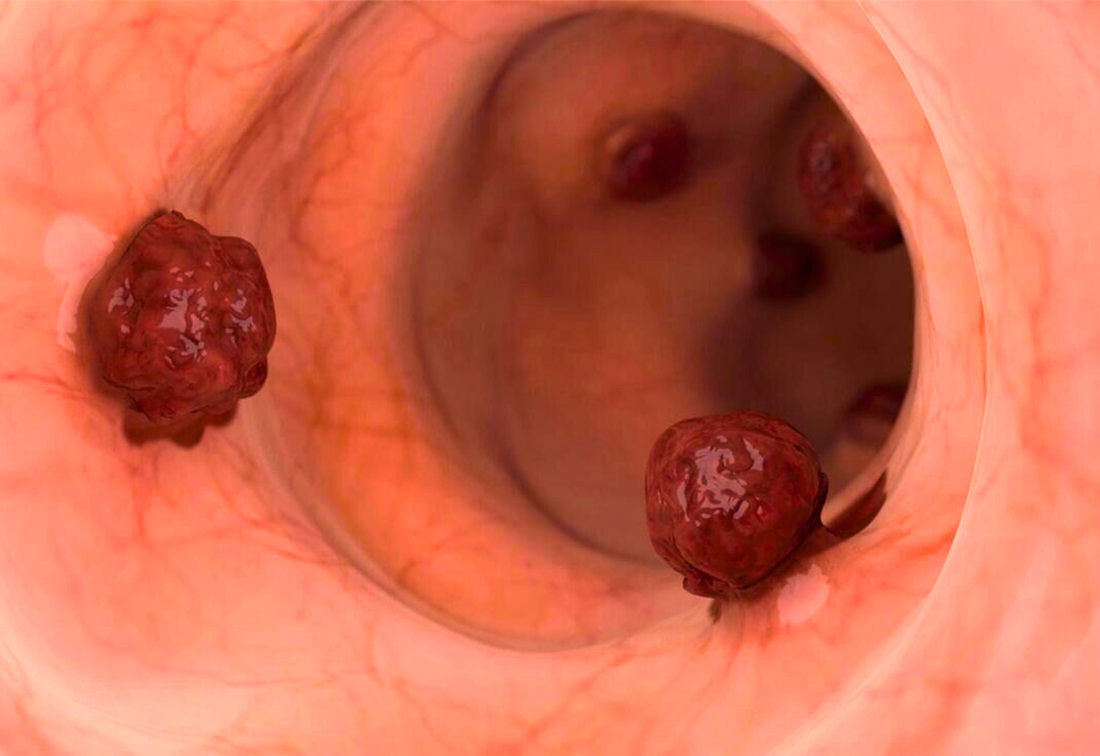
Evolving treatment for metastatic colorectal cancerColorectal cancer is the most common cancer diagnosed in men
|

|
Locks of Hope: Empowering cancer patients with confidence and supportFree human-hair pieces to individuals battling cancer.
|

|
PET scans in prostate cancer detectionThe risk of prostate cancer increases with age, and it often coexists with Benign Prostatic Hyperplasia (BPH)
|

|
Triumph over adversity: Stories of courage in the face of cancerThree inspiring individuals defying the odds
|

|
Can you be fired for having cancer?National Human Resource Centre says no provision in Employment Act for cancer
|
|
Nutrition vs. dot-com doctors: Debunking cancer mythsCancer preventive tips from a nutritionist
|

|
How often should you be screened for cancer?Pre-cancer awareness and proper screening is vital.
|

|
Cigarettes cause bladder cancerSmokers are four times more likely to develop bladder cancer than non-smokers.
|

|
Malaysia's cancer landscape: A closer look at incidence, trends and risk factorsChanging cancer incidence patterns in Malaysia
|