Infants of diabetic mothers: Causes and complications
May 25, 2026
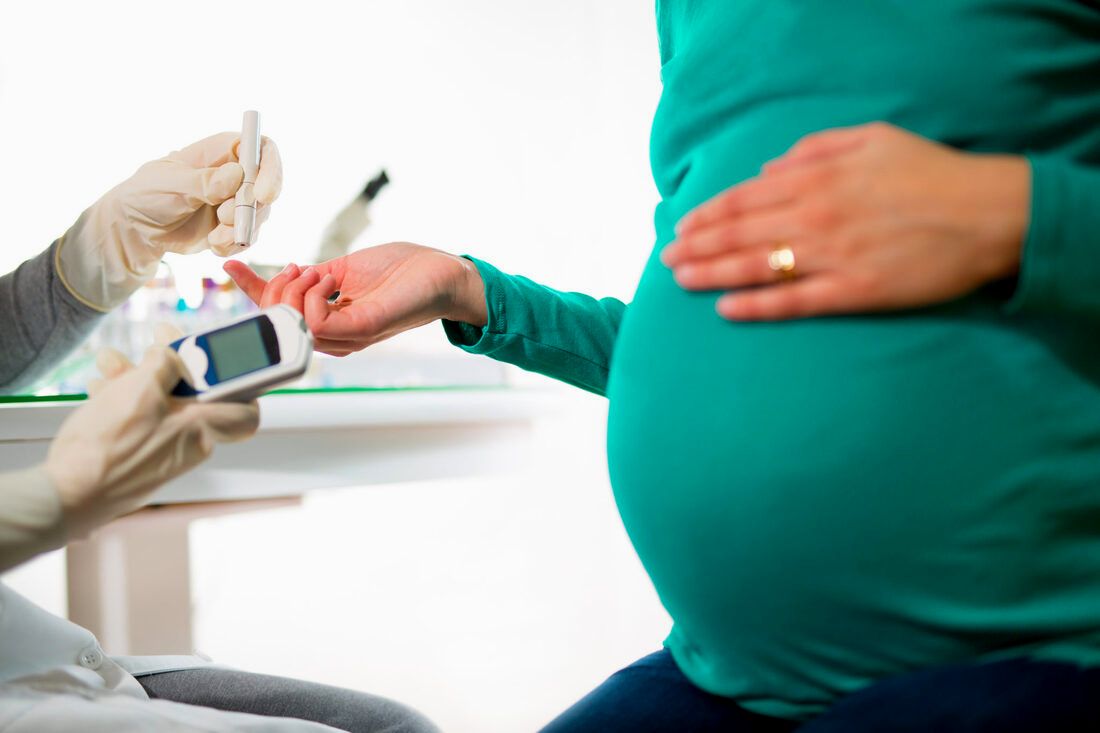
Maternal diabetes contributes significantly to neonatal morbidity and neonatal intensive care unit (NICU) admissions. Long-term metabolic disease risks may also extend into adulthood for affected infants.
Women with pre-gestational diabetes (type 1 or type 2), may experience complications during pregnancy. Another condition is gestational diabetes mellitus (GDM), in which diabetes is first recognized during pregnancy. Hormonal and physiological changes during pregnancy create a diabetogenic state that may increase maternal and fetal risks.
"First trimester hyperglycemia is strongly associated with congenital anomalies. Usually, a woman diagnoses her pregnancy after two months around eight weeks period of gestation. When someone eats something with glucose for energy, for fuel, that increases the blood glucose level which stays in their intravascular space. That glucose gets into the cells to be used by insulin when insulin pushes glucose from intravascular to intracellular. That's the function of insulin,” explains Dr Syed Abdul Khaliq Syed Abd Hamid (pix below), Consultant Pediatrician & Neonatologist while presenting at Assunta Hospital’s GP Symposium 2026: Diabetes 360: A Multidisciplinary Approach for GPs. 
How maternal diabetes affects the fetus
According to Dr Syed, glucose crosses the placenta from the mother into the baby. If a mother has diabetes, post-meal glucose spikes become higher. Although the mother produces insulin, maternal insulin cannot cross the placenta because it is a large molecule. As a result, the fetus must produce its own insulin to utilize glucose. However, fetal pancreatic beta cells only begin producing insulin at seven to eight weeks of gestation. During the first two months of pregnancy, the fetus is exposed to unopposed hyperglycemia, which is teratogenic and associated with congenital abnormalities. Rising prevalence of gestational diabetes Gestational diabetes mellitus (GDM) prevalence is increasing alongside rising obesity rates. Asian populations have particularly high GDM prevalence. Data from the National Institute of Health showed that in 2016, approximately 12.5 percent of mothers were diagnosed with GDM, while by 2022, the figure had risen to approximately 27.1 percent. These figures represent diagnosed GDM cases in Malaysia. Maternal diabetes contributes significantly to neonatal morbidity and neonatal intensive care unit (NICU) admissions. Long-term metabolic disease risks may also extend into adulthood for affected infants. Glucose transfer and neonatal metabolic challenges In utero, the fetus is exposed to high maternal glucose levels, leading the fetal pancreas to produce high amounts of insulin. After birth, the glucose supply changes dramatically. The newborn receives glucose through breast milk, which contains approximately 65 to 67 kilocalories per 100 mL regardless of maternal sugar intake. During the first day of life, a newborn’s stomach capacity is very small. Babies generally require only 60 mL per kilogram per day during the first 24 hours after birth. The stomach gradually increases in size with feeding stimulation. Dr Syed explains that the energy intake after birth is significantly lower compared to intrauterine life. In utero, the fetus receives continuous nutrition from the maternal diet. After delivery, the sudden reduction in glucose intake becomes significant because the infant’s pancreas remains accustomed to producing high insulin levels. Breastfeeding physiology and early feeding difficulties Milk letdown generally occurs around the third day after delivery. During the first 24 hours, breast milk production is often limited, especially among mothers who deliver by cesarean section, which is considered a stressful physiological state. Stress hormones inhibit oxytocin and prolactin, the two primary hormones involved in breastfeeding. Oxytocin stimulates smooth muscle contraction and pushes milk outward during feeding, while prolactin prepares the breasts for subsequent feedings. The first five days of life, a mother’s goal is not so much breast milk, but to get more prolactin. The more prolactin you get, the more milk moms will get. Stress, maternal illness, pre-eclampsia, ICU admission, and separation between mother and baby may reduce breast milk production. Importance of breast milk in premature infants Breast milk reduces the risk of necrotizing enterocolitis (NEC) by more than 30 percent in premature infants. According to Dr Syed, breast milk alone may reduce NEC risk by approximately 30 to 50 percent among premature babies. However, situations such as maternal ICU admission may delay breastfeeding initiation. Some infants may remain fasting for prolonged periods because breast milk is unavailable during the immediate postnatal period. The problem arises because infants exposed to maternal diabetes have pancreases conditioned to produce high insulin levels. Following delivery, insulin production may remain elevated despite limited glucose availability, resulting in hyperinsulinism. This condition is especially significant during the first six to 12 hours of life when insulin levels remain disproportionately high relative to caloric intake. Pedersen hypothesis and fetal growth Dr Syed referred to the hypothesis proposed by Jorgen Pedersen in 1950, which states that maternal hyperglycemia causes fetal hyperglycemia, stimulating increased fetal insulin production. Insulin acts similarly to a growth hormone or insulin-like growth factor. Excess insulin production promotes anabolic growth, resulting in larger fetal size and increased fat accumulation. As a consequence, infants may develop macrosomia, organomegaly, and metabolic instability. In 1970, Freinkel and Metzger expanded the theory by suggesting that not only glucose, but also amino acids and fatty acids contribute to fetal complications associated with maternal diabetes. Risk factors for poor neonatal outcomes Several factors increase the risk of poor neonatal outcomes, including:
“There are mothers who merely control their blood sugar for two days prior to their doctor’s appointment so the blood sugar profile (BSP) is excellent. But when we do HbA1c, they cannot lie,” Dr Syed said. He stressed that many mothers fail to recognize that poorly controlled diabetes may create lifelong complications for the baby rather than only affecting the mother. Prematurity Brown fat plays a critical role in thermoregulation and gluconeogenesis in newborns. Premature infants possess lower brown fat reserves and reduced glycogen storage in the liver, limiting their ability to maintain stable blood glucose levels. As prematurity increases, the infant’s metabolic capacity to regulate blood sugar decreases significantly. Clinical presentation at birth Infants of diabetic mothers may present with several characteristic features at birth, including:
Maternal diabetes is associated with multiple antenatal complications, including:
Infants of mothers with pre-gestational diabetes may develop several congenital cardiac defects, including:
Hypertrophic cardiomyopathy may also occur, including in infants of mothers with gestational diabetes mellitus because of hormonal influences during pregnancy. Dr Syed emphasized the importance of routine fetal anomaly scans in pregnant mothers with diabetes mellitus. Neurological and structural malformations Infants of diabetic mothers are also at increased risk of neurological and structural abnormalities, including:
Dr Syed reiterated that women planning pregnancy should ensure optimal glucose control for at least three months before conception, particularly in cases of pre-gestational diabetes mellitus. Delivery complications associated with macrosomia Excess fetal adiposity may complicate delivery. Larger infants are more difficult to deliver vaginally and may also complicate cesarean delivery procedures. “Even by caesarean, the obstetrician need to make bigger incision,” Dr Syed said. Macrosomic infants face significantly increased risks of:
Respiratory complications in infants of diabetic mothers Respiratory distress syndrome (RDS) may occur even in full-term infants of diabetic mothers. Dr Syed explained that hyperinsulinism delays surfactant production, increasing respiratory complications despite term gestation. Transient tachypnea of the newborn is also common because many infants are delivered by cesarean section, resulting in delayed clearance of lung fluid. During intrauterine life, fetal lungs are filled with amniotic fluid, which is necessary for normal lung development. Inadequate amniotic fluid, or oligohydramnios, is associated with secondary pulmonary hypoplasia, an underdevelopment of the fetal lungs. Neonatal hypoglycemia Neonatal hypoglycemia is the most common metabolic complication among infants of diabetic mothers. It occurs because persistent hyperinsulinemia continues after delivery despite reduced glucose intake. Infants with hypoglycemia may present with:
If severe or prolonged, hypoglycemia may lead to neurological injury. “Even if it's not severe, few hours of hypoglycemia can result in lower IQ. If the baby actually can have higher IQ, but because we do not control the blood sugar well, they have lower IQ than what they should be able to,” Dr Syed said. Electrolyte disturbances Diabetes may also affect neonatal electrolyte balance. Infants of diabetic mothers may develop:
These electrolyte disturbances may contribute to jitteriness and seizures, requiring biochemical monitoring. “Usually with babies, we don't do electrolytes the first 24 hours because if we do, it actually affects mothers, not the babies. But in poorly controlled diabetes, we do check the electrolytes early on within the first 24 hours of life,” Dr Syed explained. Polycythemia and hyperviscosity Chronic fetal hypoxia stimulates erythropoietin production, resulting in polycythemia. Elevated hematocrit levels may cause sluggish circulation, impair cerebral and renal perfusion, and increase the risk of jaundice. Some infants may require partial exchange transfusion because of hyperviscosity complications. Cardiomyopathy in infants of diabetic mothers Infants of diabetic mothers may develop hypertrophic cardiomyopathy associated with hyperinsulinism. Asymmetric septal hypertrophy is classically observed and may contribute to heart failure. These cardiac changes are usually transient and may resolve over weeks to months. Feeding and breastfeeding challenges Macrosomic infants may experience poor feeding coordination. These babies also face higher risks of NICU admission, which may interfere with maternal bonding and breastfeeding. Separation between mother and infant may inhibit breastfeeding and reduce breast milk production. It may also increase the risk of postpartum depression, postpartum psychosis, and postpartum blues. Proper blood sugar control may help reduce the need for separation between mother and infant after delivery. Neurodevelopmental outcomes Severe recurrent hypoglycemia has been associated with neurodevelopmental impairment, including:
These complications represent important long-term concerns among infants of diabetic mothers. Long-term metabolic consequences Infants of diabetic mothers may face long-term metabolic complications, including:
Prevention strategies Prevention strategies include preconception counseling, optimizing HbA1c levels before pregnancy, folic acid supplementation, multidisciplinary antenatal care, and postpartum diabetes screening for mothers. Early planning, consistent blood sugar control, and close medical follow-up throughout pregnancy may help reduce complications for both mother and baby. |
EXPLORE FURTHER

|
Could diabetes be damaging your digestive system?Impact on digestive and liver health, screening, diagnosis, and management
|

|
Diabetes linked to higher gallbladder disease riskRecognizing hidden warning signs before serious pancreatic and biliary complications
|

|
Interpreting skin signs in diabetesEarly skin changes may signal hidden complications and poor glycemic control
|
|
Ethnic variations in glycaemic response to simple sugars and carbohydratesImpact on blood glucose levels in Caucasians versus Asians
|

|
One in 10 prediabetic individuals progress to diabetes within a yearLimitations of finger prick testing for prediabetes diagnosis
|

|
Teh tarik vs. teh O: The struggle every diabetes patient face!Managing carbohydrates to prevent hypoglycemia
|

|
Not so sweet: The connection between erectile health and diabetesDiabetes increases the risk of developing ED 3.5 times
|

|
Women with pre-term delivery, gestational diabetes and rheumatoid arthritis at higher risk of heart diseaseThree times at higher risk of cardiovascular deaths
|

|
Diabetes: Subtle signs you should not ignoreSubtle signs include urinating often, thirsty, urinary tract infection, weight...
|

|
Diabetic retinopathy: A common cause for blindness in adultsThe most common eye disease
|

|
Empowering children with type 1 diabetes mellitusIs complete avoidance of sweets and sugar the solution?
|

|
Can diabetes be reversed?Discover the power to reverse diabetes through nutrition and lifestyle
|

|
Maggot debridement therapy: Rescuing limbs from amputationAn innovative modality for the treatment of chronic wounds
|
|
Diabetes treatments continue to evolveGlucagon-like-peptide-1 receptor agonists increases the secretion of insulin
|