Malaysia-Cambridge team develop genetic tool to assess breast cancer riskJanuary 27, 2022

Malaysian scientists in collaboration with Singapore and the University of Cambridge have successfully developed a genetic tool to assess breast cancer risk for Asian women.
The tool, called a Polygenic Risk Score (PRS), can be used to predict the likelihood a woman will develop breast cancer based on her genetic sequence. The subsequent results can empower women to decide which screening and prevention is right for them, and help reduce inefficiency, unnecessary cost, and even possible harm caused by over-diagnosis. Individualized screening and prevention of breast cancer is important because the majority of Asian women have a low risk of developing breast cancer, and only a small proportion have inherited genetic factors that are associated with an increased risk to the disease. We have now developed a genetic tool to accurately determine a woman’s risk of breast cancer, enabling Asians to achieve greater equity in access to technology, and pave the way to reducing the gap in survival of cancer in Asians compared to Europeans. The collaborative study, published in the prestigious 'Genetics in Medicine' science journal, was the result of a collaboration between Cancer Research Malaysia and Associate Professor Ho Weang Kee, University of Nottingham; Professor Douglas Easton and Professor Antonis Antoniou, University of Cambridge, UK; Professor Nur Aishah Mohd Taib, Universiti Malaya; Professor Dato’ Dr Yip Cheng Har, Subang Jaya Medical Centre; Professor Wei Zheng, Vanderbilt University; Associate Professor Mikael Hartman, National University Health System, Dr Li Jingmei, Genome Institute of Singapore, and six hospitals in Singapore; as well as three large population-based prospective cohorts from Singapore, Korea and China. Identifying genetic markers for Asian populations The development of an accurate tool for Asian women requires large sample sizes. Unfortunately, the majority of research studies have been on European women, and the resultant tools are less accurate on Asian women. Our study brought together 58,760 women from Malaysia, Singapore, Japan, Korea, China, Hong Kong, Thailand, Taiwan, USA and Canada thus, gave us the sample size to identify genetic markers that are important for Asian populations. This is also the first breast cancer study to adopt multi-ancestry development methods, to gain accuracy by integrating data from 228,951 European women with Asian-specific genetic markers. Our results show that these methods significantly improve the accuracy of the tool. The genetic make-up is not the same for all Asians. For example, the genetic architecture of Malay, Chinese and Indian women are very different from each other. Bringing together patients from University Malaya, Subang Jaya Medical Centre, National University Hospital, Singapore, and six other major treatment centers in Singapore has significantly increased the sample size of Southeast Asians and had enabled us to show that the new Asian tool is predictive of breast cancer risk across the Malay, Chinese and Indian ethnic groups from Malaysia and Singapore. Women are generally recommended to start screening at age 50. However, in most Asian countries, many women who could be at risk of breast cancer do not go for screening. This leads to late detection and a lower survival rate. Risk-based mammography screening The Asian Polygenic Risk Score is an important step forward and lays the foundation for risk-based mammography screening in Singapore,” said Associate Professor Mikael Hartman, National University Health System, Singapore. Risk-based screening may be particularly important in low- and middle-resource countries that do not have population-based screening, such as Malaysia. Without the funding for population-based screening, identifying individuals with higher risk may be an important strategy for early detection,” said Professor Nur Aishah Mohd Taib, Universiti Malaya Cancer Research Institute, Malaysia. There is an urgent need to develop an appropriate screening strategy for Asian women. Malaysia anticipates a 49% increase in breast cancer cases from 2012 to 2025. Malaysia has a much lower five-year survival rate compared to other Asian countries at only 63%, whereas South Korea is at 92% and Singapore is at 80%. The study was supported by numerous research grants and charitable funding, principally from the Medical Research Council and Academy of Sciences Malaysia via the Newton-Ungku Omar Fund, the Wellcome Trust Collaborative Science Award, Yayasan Sime Darby, Yayasan PETRONAS, and Estee Lauder Group of Companies. |

|

EXPLORE FURTHER

|
Decoding breast cancer realitiesAdvancements in anti-HER2 targeted therapy over the past 15 years have showcased substantial progress
|

|
Nipple discharge in breastfeeding and non-breastfeeding patientsCan single females experience nipple discharge?
|

|
Intraductal papilloma: A benign ductal diseaseComplex MRI findings in 40s and 50s: Nipple discharge revealing intricate breast conditions
|

|
What is the likelihood of men getting breast cancer?Factors elevating breast cancer risk in men
|

|
Fibroadenoma, a common benign breast lump prevalent in younger individualsTypes, associated risks and the considerations guiding management strategies
|

|
Phyllodes tumors: Understanding types, risks and treatmentRare and varied nature of phyllodes tumors
|

|
Nipple piercing and smoking possible cause of subareolar abscess in womenConsiderations before nipple piercing
|
|
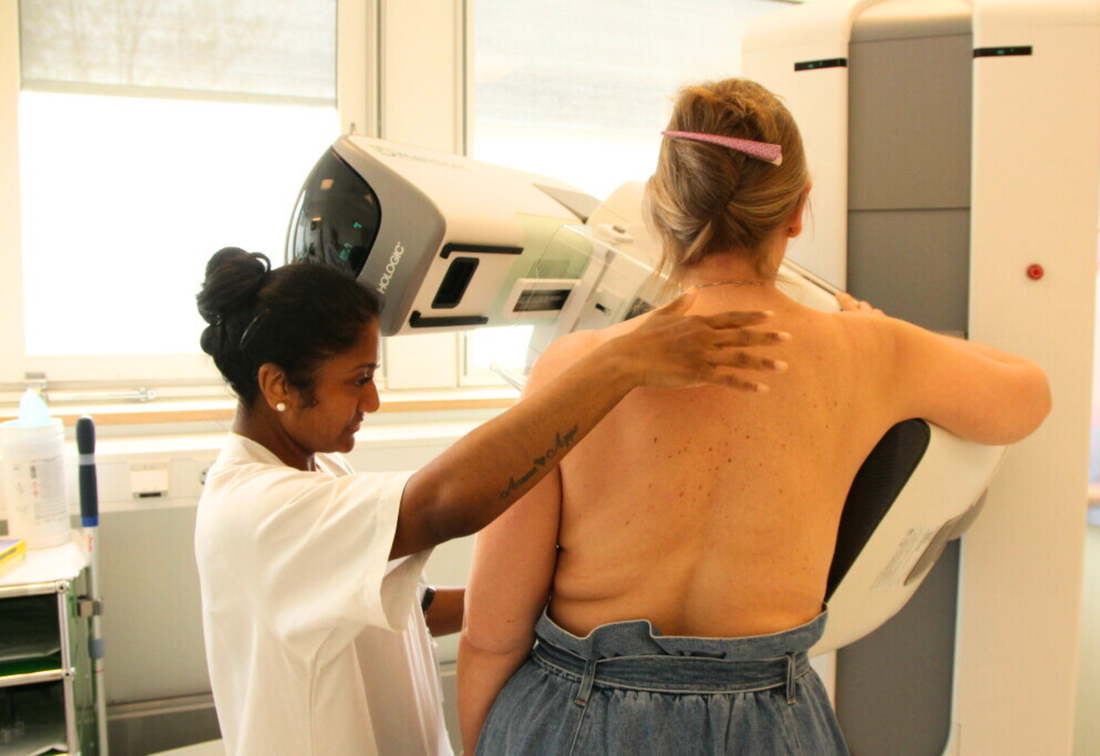
Decoding BIRADS in breast imaging analysisTailored approaches based on the specific classification of findings
|
|
Chemotherapy: Balancing efficacy and minimizing side effectsFor decades, chemotherapy has remained a cornerstone in cancer treatment...
|

|
Navigating breast cancer risk factors in menopausal womenAge, genetic makeup and hormonal balance or lack of it play an important role
|

|
A guide for breast cancer survivorshipAge, genetic makeup and hormonal balance or lack of it play an important role
|
|
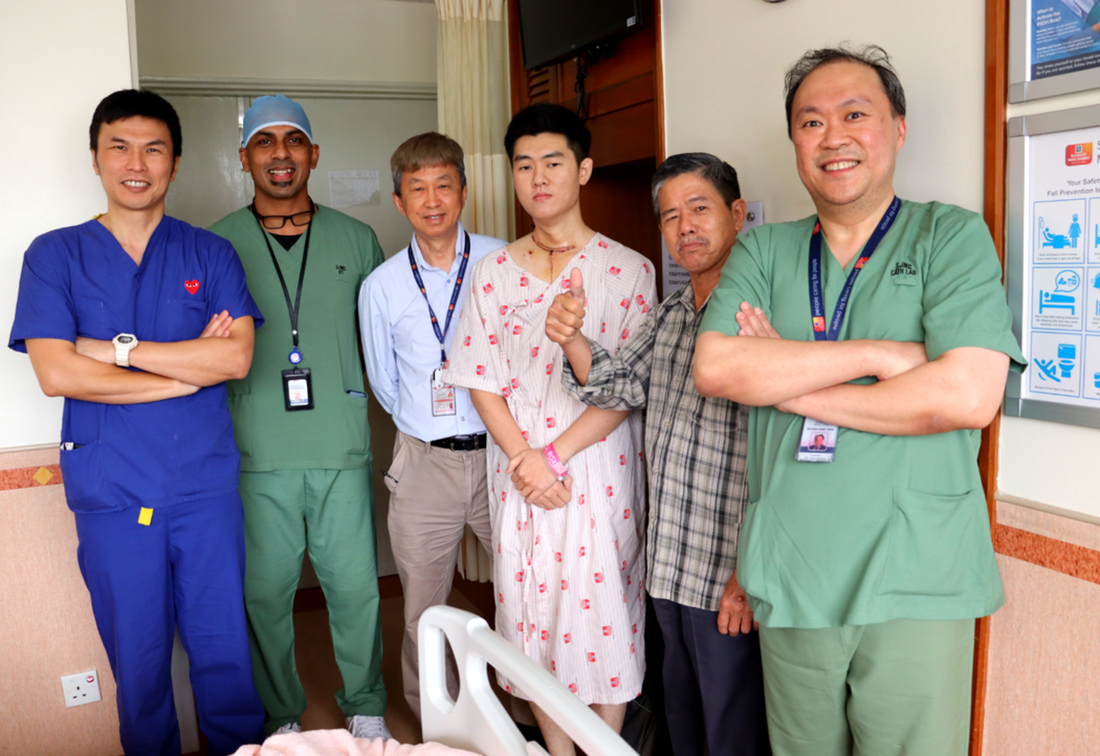
Overcoming fibromyxoid sarcoma against all odds
Neng would feel tickles down his throat, with itching and frequent coughs...
|

|
How immunotherapy can better train your immune system when battling with cancer
Tackling the diagnosis for better outcomes
|

|
World Cancer Day: What will you do to close the care gap?Social factors or lifestyle can negatively impact the quality of cancer care.
|
|
Fighting cervical cancer in the age of COVID-19Second most common cancer despite it being a preventable disease.
|

|
Below 15 exposed to sexual intercourse, at higher risk of developing cervical cancerOral contraceptives...
|

|
No alternative therapy, magic pill for cure, says breast cancer survivor"There wasn't any pain nor any changes to my breast, but I could feel the lump."
|
|
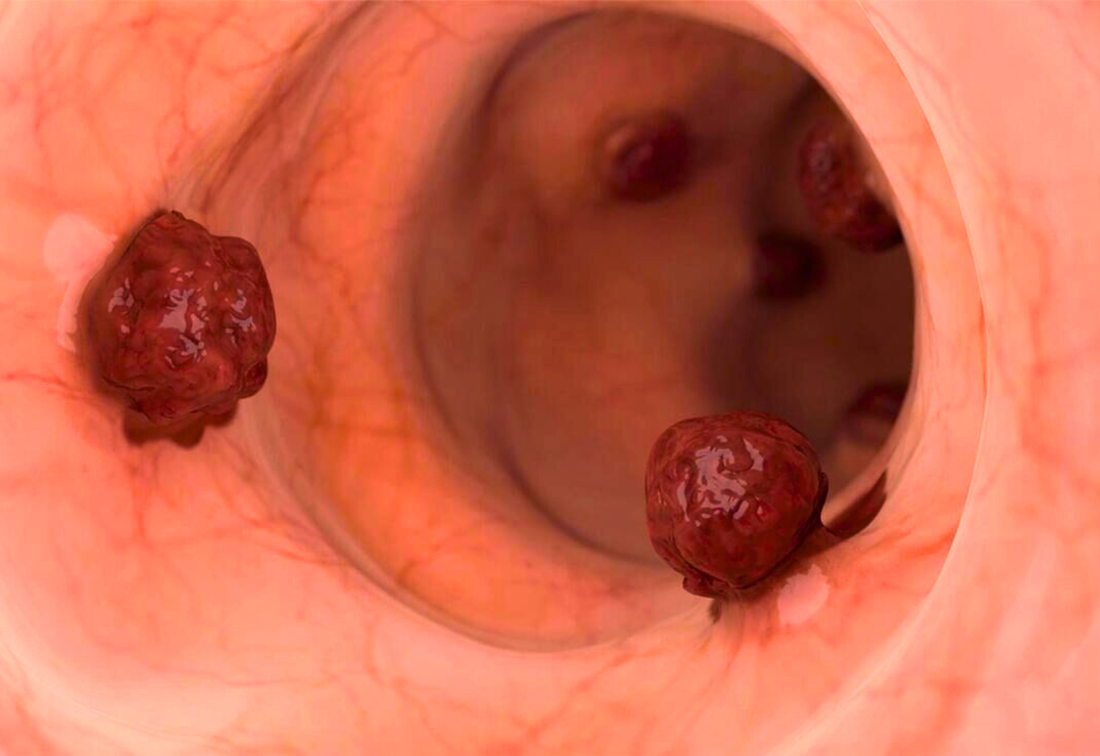
Evolving treatment for metastatic colorectal cancerColorectal cancer is the most common cancer diagnosed in men
|
|
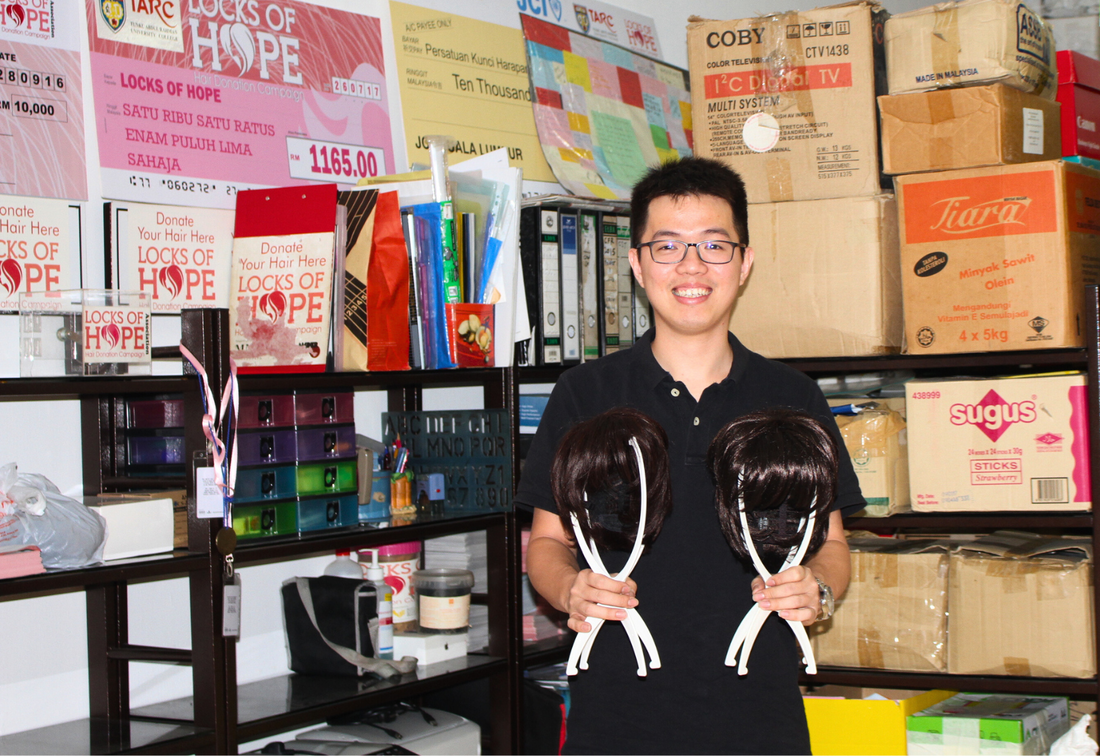
Locks of Hope: Empowering cancer patients with confidence and supportFree human-hair pieces to individuals battling cancer.
|

|
PET scans in prostate cancer detectionThe risk of prostate cancer increases with age, and it often coexists with Benign Prostatic Hyperplasia (BPH)
|

|
Triumph over adversity: Stories of courage in the face of cancerThree inspiring individuals defying the odds
|

|
Can you be fired for having cancer?National Human Resource Centre says no provision in Employment Act for cancer
|

|
Nutrition vs. dot-com doctors: Debunking cancer mythsCancer preventive tips from a nutritionist
|
|
How often should you be screened for cancer?Pre-cancer awareness and proper screening is vital.
|

|
Cigarettes cause bladder cancerSmokers are four times more likely to develop bladder cancer than non-smokers.
|

|
Malaysia's cancer landscape: A closer look at incidence, trends and risk factorsChanging cancer incidence patterns in Malaysia
|