Prince Court Medical Centre launch Intraoperative Radiotherapy for breast cancer treatmentFebruary 22, 2019

Tun Dr Siti Hasmah is assisted by Breast & Endocrine surgeon Dr Harjit Kaur, while (first left) Ven Raman managing director of Zeiss gives an explanation. (Fourth left) is Chong Yee Mun.
Prince Court Medical Centre introduced the Intraoperative Radiotherapy (IORT) for Breast Cancer treatment recently as part of its commitment in providing the best in cancer treatment services. The launch for IORT was officiated by the Prime Minister’s wife, Tun Dr Siti Hasmah Haji Mohd Ali.
Intraoperative Radiotherapy (IORT) is a targeted, risk-adapted interdisciplinary treatment of cancer tumors, suitable for breast cancers at Stage 1 and 2. Targeted IORT is an individualized radiation treatment that delivers low-energy X-rays directly into the tumor bed at the time of surgery (immediately following a lumpectomy or partial mastectomy). During the procedure, the Zeiss INTRABEAM machine delivers the radiation dose through a spherical-shaped applicator, which is placed in the cavity to ensure direct contact with the targeted tissue. Radiation is delivered precisely to the area with the highest risk of tumor recurrence, while minimizing radiation to healthy tissue. IORT enables individual treatment of tumors, ensuring that the skin and its deeper structures are protected. It offers a shorter duration and exposure to radiation therapy compared to external beam radiation therapy, thus minimizing side effects often associated with conventional radio therapy for breast cancer treatment. The treatment affords several benefits for patients diagnosed with Stage 1 and 2 Breast Cancer. IORT is a less invasive breast conserving surgery. It offers better account of individual risk factors and provides a significantly more comfortable treatment for patients. The one-time radiation treatment takes 20-45 minutes to deliver, depending on the size of the cavity. Most patients do not need supplemental radiation following IORT. The radiation treatment in the operating room also means no delay in receiving radiation. In addition, the patient’s overall time spent in the hospital receiving treatments is drastically reduced. This allows patients’ to return to their normal routine hence enhancing their overall quality of life. Speaking at the launch, Prince Court Medical Centre’s Chief Executive Officer Chong Yee Mun said “With advancements in technology and treatment, more cancer patients are surviving and are living longer, creating a greater need for cancer services. Providing advanced treatment therapies and options positions PCMC as a key healthcare facility for increasing medical tourism opportunities”. Chong added: “We aim to have the capacity to serve more patients with our expanded cancer center. We want to play a key role in providing our community with increased choice and greater access to the best cancer treatment options.” |

|
EXPLORE FURTHER

|
Decoding breast cancer realitiesAdvancements in anti-HER2 targeted therapy over the past 15 years have showcased substantial progress
|

|
Nipple discharge in breastfeeding and non-breastfeeding patientsCan single females experience nipple discharge?
|

|
Intraductal papilloma: A benign ductal diseaseComplex MRI findings in 40s and 50s: Nipple discharge revealing intricate breast conditions
|

|
What is the likelihood of men getting breast cancer?Factors elevating breast cancer risk in men
|

|
Fibroadenoma, a common benign breast lump prevalent in younger individualsTypes, associated risks and the considerations guiding management strategies
|

|
Phyllodes tumors: Understanding types, risks and treatmentRare and varied nature of phyllodes tumors
|

|
Nipple piercing and smoking possible cause of subareolar abscess in womenConsiderations before nipple piercing
|

|
Decoding BIRADS in breast imaging analysisTailored approaches based on the specific classification of findings
|

|
Chemotherapy: Balancing efficacy and minimizing side effectsFor decades, chemotherapy has remained a cornerstone in cancer treatment...
|

|
Navigating breast cancer risk factors in menopausal womenAge, genetic makeup and hormonal balance or lack of it play an important role
|
|
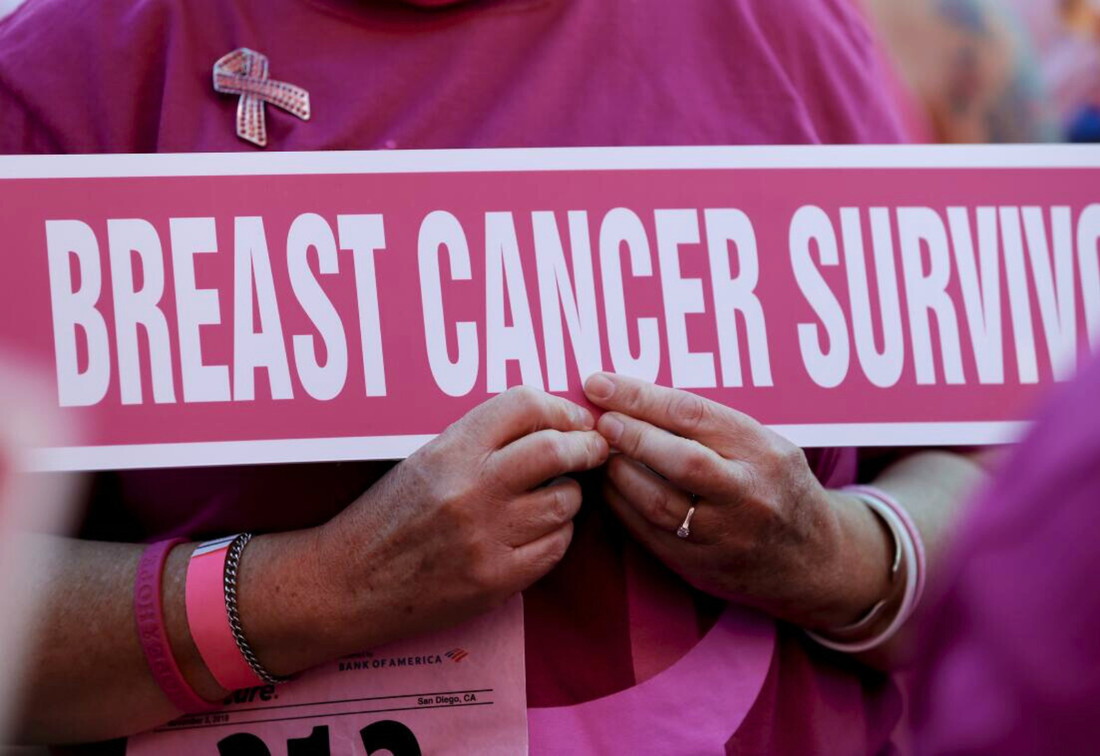
A guide for breast cancer survivorshipAge, genetic makeup and hormonal balance or lack of it play an important role
|

|
Overcoming fibromyxoid sarcoma against all odds
Neng would feel tickles down his throat, with itching and frequent coughs...
|

|
How immunotherapy can better train your immune system when battling with cancer
Tackling the diagnosis for better outcomes
|

|
World Cancer Day: What will you do to close the care gap?Social factors or lifestyle can negatively impact the quality of cancer care.
|

|
Fighting cervical cancer in the age of COVID-19Second most common cancer despite it being a preventable disease.
|

|
Below 15 exposed to sexual intercourse, at higher risk of developing cervical cancerOral contraceptives...
|

|
No alternative therapy, magic pill for cure, says breast cancer survivor"There wasn't any pain nor any changes to my breast, but I could feel the lump."
|

|
Evolving treatment for metastatic colorectal cancerColorectal cancer is the most common cancer diagnosed in men
|

|
Locks of Hope: Empowering cancer patients with confidence and supportFree human-hair pieces to individuals battling cancer.
|

|
PET scans in prostate cancer detectionThe risk of prostate cancer increases with age, and it often coexists with Benign Prostatic Hyperplasia (BPH)
|

|
Triumph over adversity: Stories of courage in the face of cancerThree inspiring individuals defying the odds
|

|
Can you be fired for having cancer?National Human Resource Centre says no provision in Employment Act for cancer
|

|
Nutrition vs. dot-com doctors: Debunking cancer mythsCancer preventive tips from a nutritionist
|

|
How often should you be screened for cancer?Pre-cancer awareness and proper screening is vital.
|

|
Cigarettes cause bladder cancerSmokers are four times more likely to develop bladder cancer than non-smokers.
|

|
Malaysia's cancer landscape: A closer look at incidence, trends and risk factorsChanging cancer incidence patterns in Malaysia
|