Understanding triple-negative breast cancer (TNBC)March 25, 2024

Triple-negative breast cancer (TNBC) stands out as a particularly aggressive form of breast cancer, particularly impacting women below the age of 40. "In Malaysia, where breast cancer is the most commonly diagnosed cancer among women of major ethnic groups, TNBC accounts for a significant portion of cases, ranging from 12.4% to 17.6%. Understanding the nature of TNBC is crucial, as it grows rapidly, tends to spread early, and is more prone to recurrence post-treatment," says Dr Jennifer Leong, Consultant Clinical Oncologist.
TNBC: A different breed of breast cancer TNBC differs from other breast cancers due to the absence of certain receptors typically found in breast tissue and cancer cells, including estrogen (ER), progesterone (PR) receptors, and HER2 protein. This unique characteristic poses challenges in treatment, as standard therapies targeting these receptors are ineffective against TNBC. Treatment approaches for triple-negative breast cancer Surgical interventions: Lumpectomy and mastectomy Patients with TNBC typically undergo surgical procedures such as lumpectomy or mastectomy to remove the tumor and surrounding tissue. Lumpectomy involves removing the tumor while preserving the breast, whereas mastectomy involves complete removal of the breast. Lymph node removal is often performed to assess the spread of cancer. Adjuvant therapies: Chemotherapy and radiation Following surgery, patients may undergo chemotherapy to eradicate any remaining cancer cells. Radiation therapy is often administered after lumpectomy to target residual cancer cells in the breast. Chemotherapy aims to eliminate cancer cells that may have spread to other parts of the body. Emerging treatment modalities: Immunotherapy Dr Jennifer emphasizes that while traditional treatments like surgery, chemotherapy, and radiation remain standard, advancements in immunotherapy offer new hope for TNBC patients. Immunotherapy, among other innovative therapies, presents promising avenues for treatment, providing patients with renewed optimism in their battle against TNBC. Managing treatment side effects Chemotherapy often induces side effects such as hair loss, nausea, and fatigue. While hair loss can be distressing, it is usually temporary, with hair regrowth occurring after treatment. Medications can alleviate nausea, and most side effects diminish within weeks after therapy cessation. Long-term effects of treatment may include lymphedema, characterized by swelling due to impaired lymphatic drainage, and skin changes resulting from radiation therapy. Proper management strategies prescribed by healthcare providers can mitigate these effects and enhance patients' quality of life. Individuals with a family history of breast cancer may benefit from genetic counseling and testing. Identifying genetic mutations associated with an increased risk of breast cancer, including TNBC, enables proactive measures for early detection and intervention. |
|
EXPLORE FURTHER
|
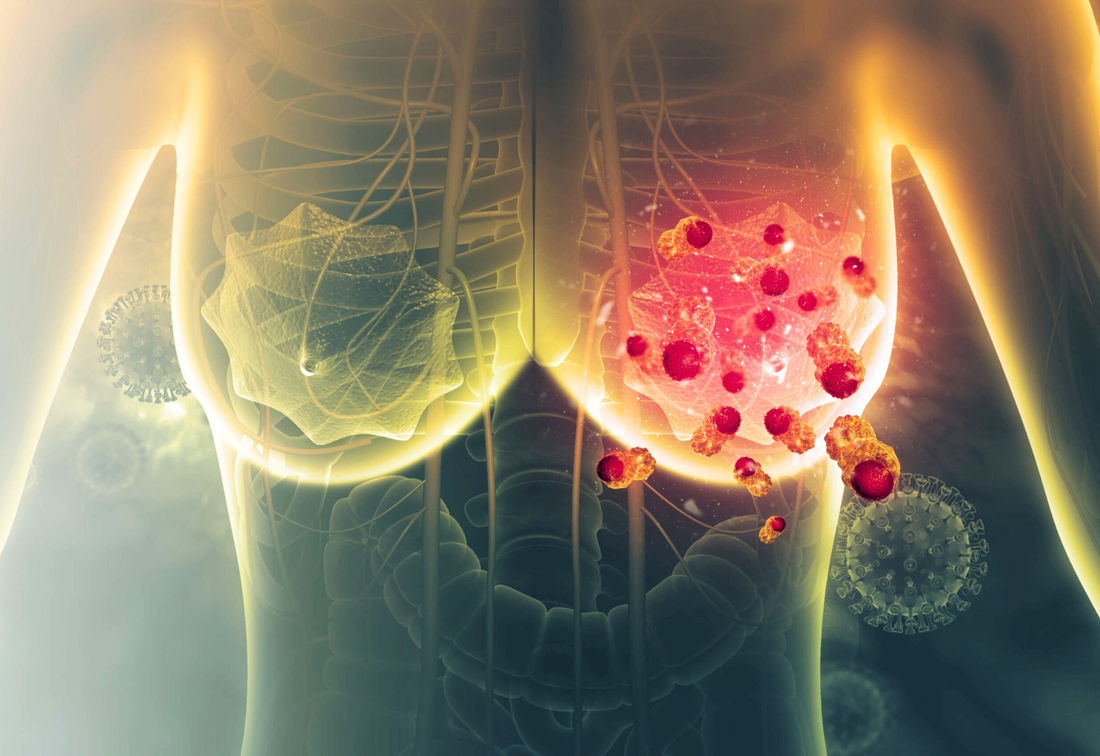
Decoding breast cancer realitiesAdvancements in anti-HER2 targeted therapy over the past 15 years have showcased substantial progress
|
|
Nipple discharge in breastfeeding and non-breastfeeding patientsCan single females experience nipple discharge?
|
|
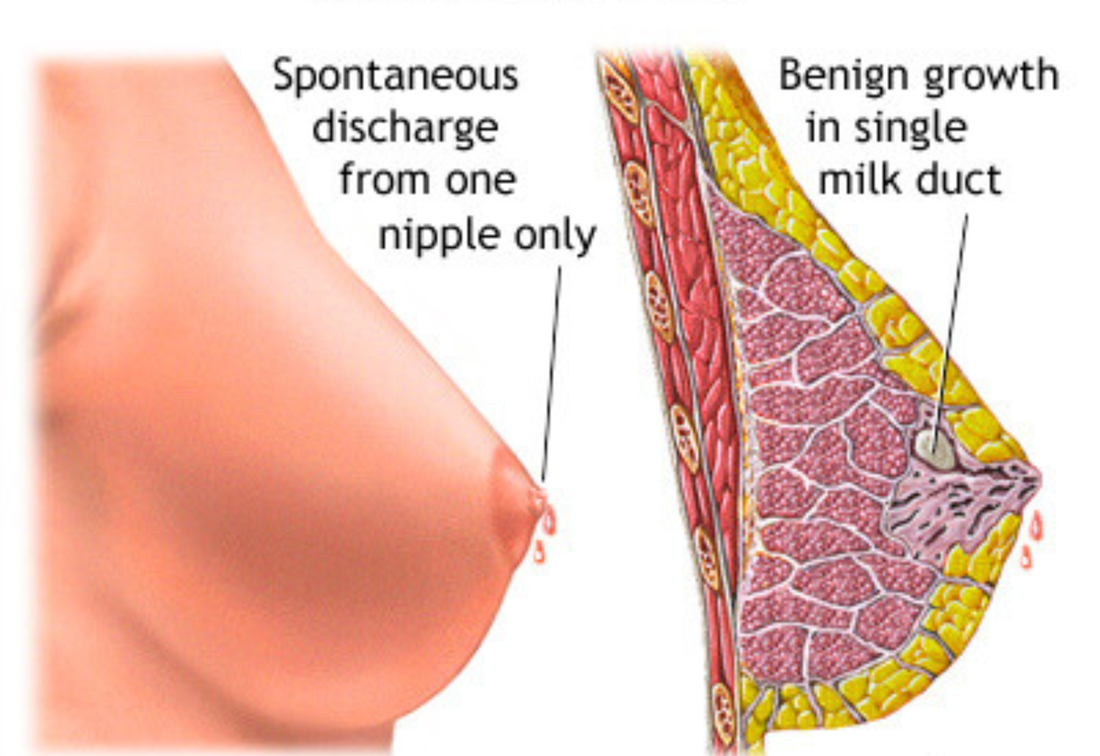
Intraductal papilloma: A benign ductal diseaseComplex MRI findings in 40s and 50s: Nipple discharge revealing intricate breast conditions
|
|
What is the likelihood of men getting breast cancer?Factors elevating breast cancer risk in men
|

|
Fibroadenoma, a common benign breast lump prevalent in younger individualsTypes, associated risks and the considerations guiding management strategies
|
|
Phyllodes tumors: Understanding types, risks and treatmentRare and varied nature of phyllodes tumors
|

|
Nipple piercing and smoking possible cause of subareolar abscess in womenConsiderations before nipple piercing
|
|
Decoding BIRADS in breast imaging analysisTailored approaches based on the specific classification of findings
|
|
Chemotherapy: Balancing efficacy and minimizing side effectsFor decades, chemotherapy has remained a cornerstone in cancer treatment...
|

|
Navigating breast cancer risk factors in menopausal womenAge, genetic makeup and hormonal balance or lack of it play an important role
|
|
A guide for breast cancer survivorshipAge, genetic makeup and hormonal balance or lack of it play an important role
|
|
Overcoming fibromyxoid sarcoma against all odds
Neng would feel tickles down his throat, with itching and frequent coughs...
|
|
How immunotherapy can better train your immune system when battling with cancer
Tackling the diagnosis for better outcomes
|

|
World Cancer Day: What will you do to close the care gap?Social factors or lifestyle can negatively impact the quality of cancer care.
|
|
Fighting cervical cancer in the age of COVID-19Second most common cancer despite it being a preventable disease.
|

|
Below 15 exposed to sexual intercourse, at higher risk of developing cervical cancerOral contraceptives...
|

|
No alternative therapy, magic pill for cure, says breast cancer survivor"There wasn't any pain nor any changes to my breast, but I could feel the lump."
|
|
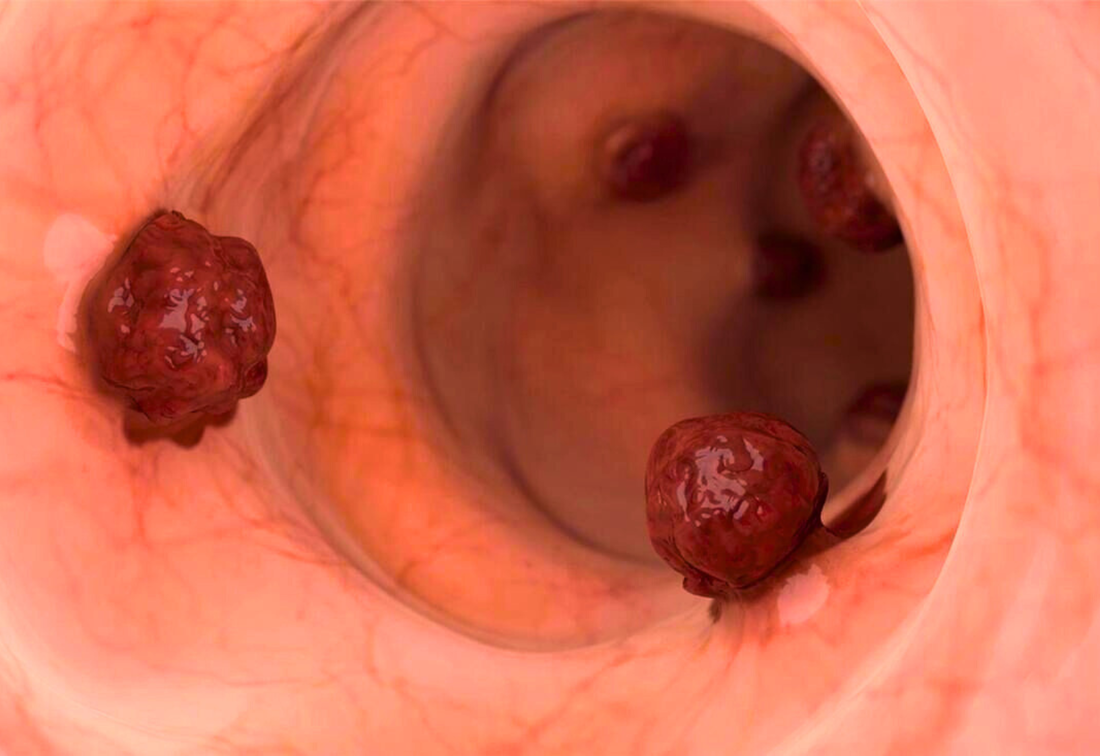
Evolving treatment for metastatic colorectal cancerColorectal cancer is the most common cancer diagnosed in men
|

|
Locks of Hope: Empowering cancer patients with confidence and supportFree human-hair pieces to individuals battling cancer.
|

|
PET scans in prostate cancer detectionThe risk of prostate cancer increases with age, and it often coexists with Benign Prostatic Hyperplasia (BPH)
|

|
Triumph over adversity: Stories of courage in the face of cancerThree inspiring individuals defying the odds
|

|
Can you be fired for having cancer?National Human Resource Centre says no provision in Employment Act for cancer
|
|
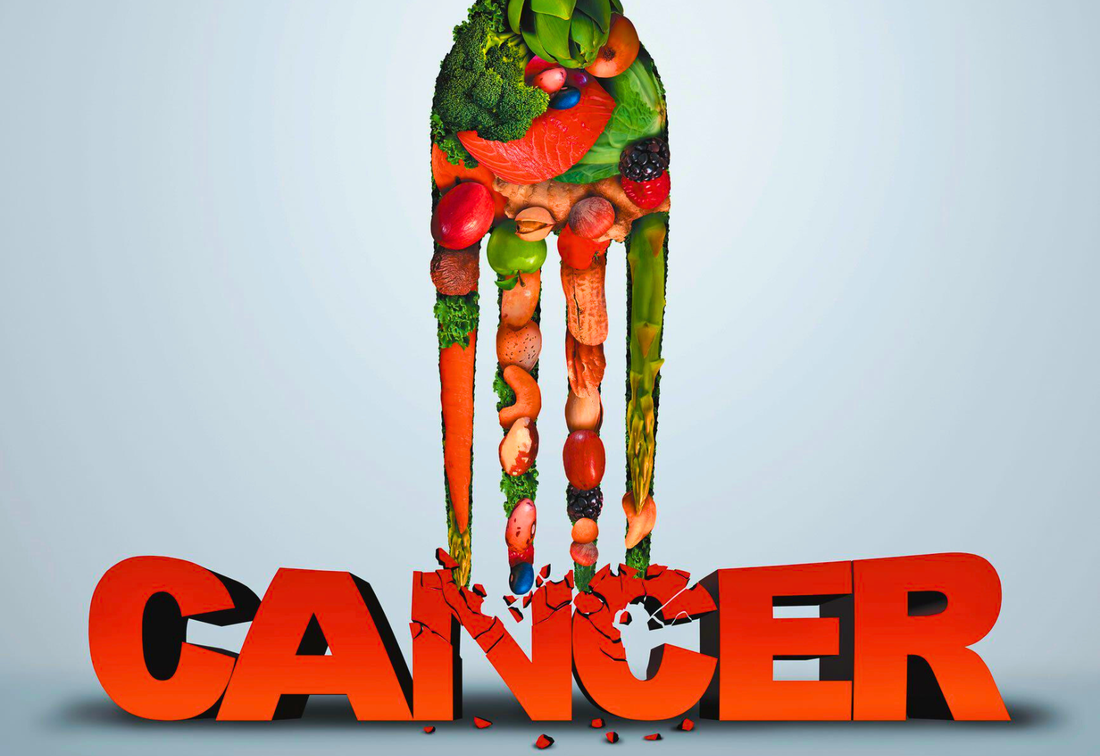
Nutrition vs. dot-com doctors: Debunking cancer mythsCancer preventive tips from a nutritionist
|
|
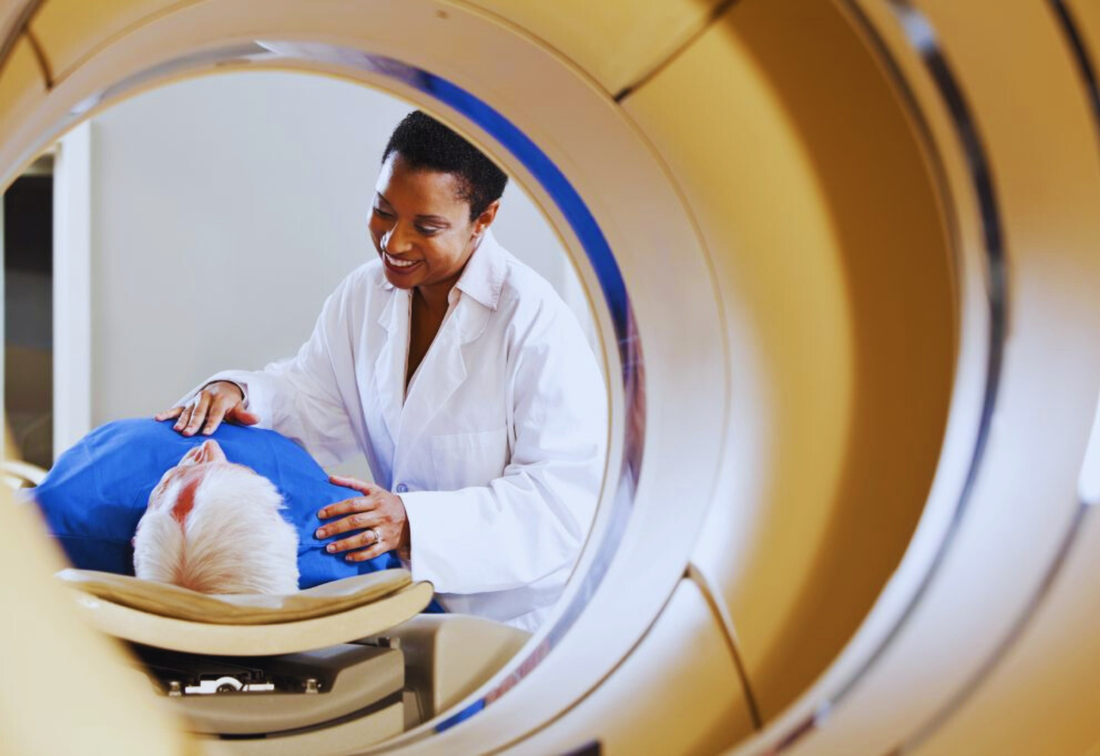
How often should you be screened for cancer?Pre-cancer awareness and proper screening is vital.
|

|
Cigarettes cause bladder cancerSmokers are four times more likely to develop bladder cancer than non-smokers.
|

|
Malaysia's cancer landscape: A closer look at incidence, trends and risk factorsChanging cancer incidence patterns in Malaysia
|