COVID 19: Too high alcohol content in sanitizers ineffective in killing microbesAPRIL 8, 2020 @ 3.33 PM
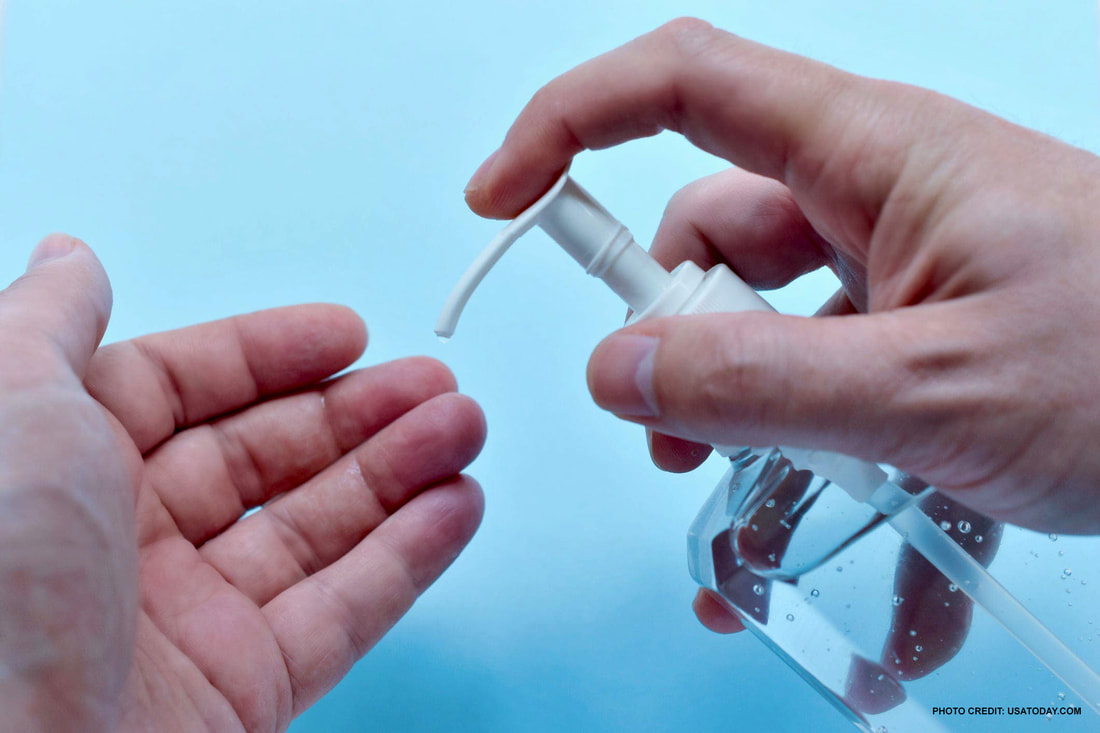
Alcohol content of between 70 and 75 percent has been found to be most effective in killing microbes.
Some consumers may think that the higher the alcohol content the more effective it would be in warding off the SARS-CoV-2 virus (the virus that causes COVID-19 disease) when disinfecting.
However, Dr Abdullah Asad Saddiqui, Emergency Physician begs to differ. “While I believe that soap and water works best in destroying the virus, alcohol-based sanitizers work well too in situations where soap and water are not available. “I also believe that too high an alcohol content in sanitizers may be counterintuitive. This is because the coronavirus is a single cell virus wrapped in a coat of protein. Alcohols such as ethanol alcohol or isopropyl alcohol can kill the virus that lands on surfaces such as the skin and personal belongings by destroying the protein layer then getting into the cell. Given that alcohol evaporates fast, too high an alcohol content may not provide enough time for the protein wall to be destroyed,” said Asad. He also added that too little alcohol may not be adequate in killing the virus. “Alcohol content of between 70 and 75 percent has been found to be most effective in killing microbes,” he said adding that disease prevention measures such as sanitization of hands and personal belongings must still be taken seriously post Enhanced Movement Control (EMCO) period, when one returns to work. These measures include wearing mask at crowded places, constant hand-washing and wiping down of personal belongings with the right sanitizer. |
EXPLORE FURTHER

|
Pharmacy cautions against self-medication and self-dosing of 'Ivermectin' to treat COVID-19No human use of Ivermectin is approved or registered in Malaysia
|

|
Could a single dose of the drug Ivermectin stop the SARS-COV-2 virus from growing?Ivermectin removed all viral RNA by 48 hours
|
|
The Malaysian response to Covid-19: Building preparedness for ‘surge capacity’, testing efficiency and containmentEarly coordination key to Malaysia's COVID-19 response success
|

|
Is it sinusitis or Covid-19?How COVID-19 symptoms differ from sinusitis: Key insights
|

|
Covid-19: The legal implications of patients' lack of honestyHow can we legally encourage patients to share critical information?
|

|
Road to recovery: Care after COVID-19Understanding post-acute Sequelae of SARS-CoV-2 infection in patients
|