Laying the foundation for lifelong health: The first 1,000 days of a child's life
October 3, 2025

A child's first 1,000 days are crucial for brain development, forming millions of neural connections that impact lifelong health.
Every parent dreams of seeing their child grow up healthy, strong, and thriving. The first 1,000 days of life, from conception to a child’s second birthday, lay the foundation for growth and development. However, supporting children’s health must go beyond this critical window.
Today’s generation faces new challenges such as long school hours, less outdoor play, diets high in processed foods, late bedtimes, and excessive screen time. These habits disrupt nutrition, sleep, and hormone regulation, further compromising healthy growth. Early growth and lifelong impact During the first 1,000 days, a baby’s brain forms millions of neural connections every second, reaching about 80 per cent of its adult size by age three. Physical growth also depends on the quality of nutrition, healthcare, and daily care practices. Missed opportunities in this critical phase can result in stunted growth, poorer learning outcomes, and higher risks of chronic illnesses later in life. Malaysia’s double burden of malnutrition Despite economic progress, Malaysia faces a double burden of malnutrition. According to the National Health and Morbidity Survey (NHMS), stunting among children under five rose from 16.6 per cent in 2011 to 21.2 per cent in 2022, while underweight prevalence increased from 11.6 per cent to 15.3 per cent. At the same time, obesity is on the rise. NHMS 2024 findings show that about 14.4 per cent of children and adolescents aged 5–19 are overweight, and a further 13.6 per cent are obese—meaning nearly one in three in this age group faces weight-related health concerns. Reduced physical activity, increased screen time, and greater access to processed foods are fuelling both undernutrition and overnutrition—two extremes that threaten the country’s health, education, and productivity. Laying the foundations for healthy growth Healthy growth rests on nutrition, active lifestyles, and regular health checks. Many children lack nutrients such as iron, vitamin D, calcium, zinc, iodine, and protein—all essential for strong bones, brain development, and immunity. Good nutrition begins in pregnancy, with mothers encouraged to focus on nutrient quality rather than food quantity. Exclusive breastfeeding for the first six months provides the best start, followed by complementary foods rich in protein, whole grains, fruits, vegetables and healthy fats. Fortified foods such as vitamin D or iron-enriched cereals can help close common nutritional gaps, while limiting processed snacks and sugary drinks prevents poor eating habits from taking root early. Lifestyle habits are equally important. Children need at least an hour of outdoor play daily, limited screen time, and consistent sleep routines to support both physical and mental development. Regular visits to government health clinics for growth monitoring, immunizations, and developmental screenings ensure timely interventions when needed. Schools, communities, and national action Schools play a key role in shaping health habits. The Ministry of Health requires school canteens to follow strict nutrition guidelines, restricting excessive sugar and processed ingredients. Coupled with daily physical education, nutrition lessons, and routine growth checks, these measures can positively influence children’s well-being. At the national level, two major policy frameworks guide Malaysia’s efforts: the National Plan of Action for Nutrition (NPANM III, 2016–2025) and the National Strategy to Combat Malnutrition (2023–2030). These initiatives promote breastfeeding, complementary feeding, food fortification, and public nutrition education while also addressing childhood obesity and undernutrition. Digital tools further strengthen these initiatives. The Growth Journey app, endorsed by the Malaysian Pediatric Association, allows parents to track growth trends and seek care early. Meanwhile, the Positive Parenting 360° Toolkit supports holistic monitoring of both growth and developmental milestones. Learning from global success South Korea demonstrates the power of sustained national efforts. Once plagued by widespread malnutrition, the country introduced school feeding schemes, national nutrition programmes, and strong parental involvement. By 2023, South Korean middle school boys were on average 7.4cm taller than a decade earlier, while girls gained 3.3cm, proving that sustained commitment to child health brings measurable change. Malaysia can adapt similar strategies while preserving its cultural diversity and local food traditions. Beyond malnutrition, tackling the realities of sedentary lifestyles, digital distractions, unbalance diets, and sleep deprivation is equally vital. Ensuring every child in Malaysia has the chance to grow, learn, and thrive will take a united effort from families, schools, communities, and policymakers. By combining balanced diets, healthier lifestyles, early monitoring, and supportive national policies, we can raise a generation that is not only taller and stronger but also healthier, smarter, and better prepared for the future. |

EXPLORE FURTHER

|
Postpartum hemorrhage: A preventable cause of maternal deathMaternal obesity heightens the risk of postpartum hemorrhage
|
|
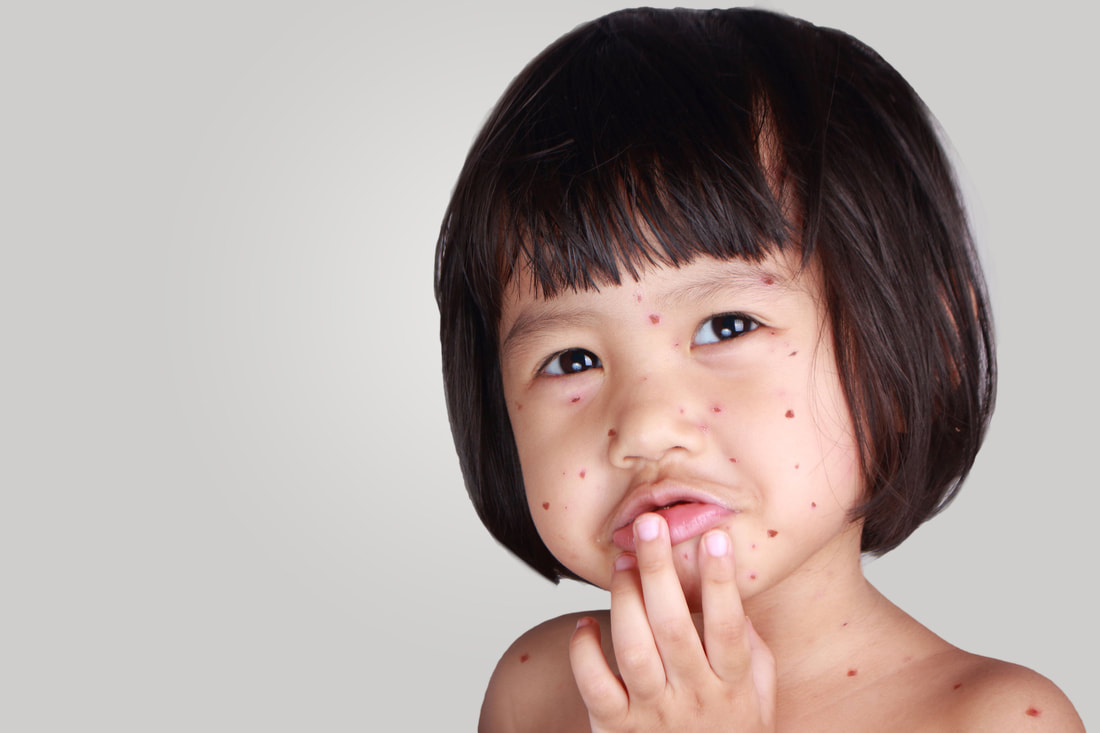
Chickenpox in children aged 3 to 6 yearsA guide for parents on symptoms, management, and prevention
|

|
A parent's guide to hearing loss in young kidsDisparities in access to hearing screening may result in hearing loss going undetected
|

|
Tackling tummy troubles: Managing functional constipation in childrenHow stress, poor diet, milk intolerance, and rushed potty training trigger functional constipation
|

|
Are all baby skin care products truly safe to use?Ingredients that can cause dryness and allergies in baby’s skin
|

|
Food allergies in children can be life threateningDoes a food diary really help?
|

|
Japan's ultimate gaming bed: Balancing entertainment and real-life for teensWhat are its impact on teenagers?
|

|
When teens speak about the opposite sex: How parents can respondGuidance for discussing opposite sex with teen without judgment
|

|
Disturbing trend on TikTok: Cracking eggs on children's foreheads for entertainmentDelicate balance between entertainment and children's emotional well-being
|

|
The ultimate hospital bag checklist for mom and babyA significant step towards a stress-free birthing experience
|

|
Ultrasound to detect abnormalities in pregnancyDetecting abnormalities during different stages of fetal development.
|

|
Postpartum hernia: A common occurrence following a C-sectionPelvic floor exercises during pregnancy
|

|
Should you swaddle your baby?We might think that it is actually uncomfortable, because we ourselves do not want to be that way
|

|
Sudden Infant Death Syndrome (SIDS): Causes, safe sleeping practices, and co-sleeping concernsCot death or crib death
|

|
Do you have enough milk to breastfeed your baby?A good latch increases milk supply
|

|
Butterfly children with skin as fragile as a butterflyEpidermolysis Bullosa causes the skin to blister - becoming fragile even at the slightest touch
|

|
Thumb sucking and pacifier use in children affects the bite says dentistThumb sucking causes the teeth to proclinate outwards
|

|
Liquids with natural sugars linked with baby bottle tooth decayChildren who suck on pacifiers dipped in sugar or syrup are equally at risk.
|

|
Debunking myths and reinforcing facts on vaccinationPerak, Terengganu and Pahang record highest number of anti-vaxxers
|

|
Is it ADHD or other developmental disorders?When one toy may not be enough
|

|
Food allergies in children can be life threateningDoes a food diary really help?
|

|
Paracetamol use in childrenToo much paracetamol can cause liver problems
|

|
Guide to winning your child's tantrums on your next road tripFive tips to ace your vacation
|

|
Is my child too short?How do you determine if your child is growing well?
|

|
Identifying Hand-Foot-And-Mouth disease in your childA contagious disease that spreads through touch, saliva and stool
|

|
Breastfeeding as a natural cure for jaundice?Breastfeeding babies lose jaundice in the third week.
|

|
Hemorrhagic disease of the newborn (HDN) as a result of Vitamin K deficiencyBleeding in infancy develops in the first days and weeks of life
|

|
What parents need to know about the 6-in-1 vaccine under the National Immunisation Program for infants and children |

|
Coronavirus: Babies vaccine schedule should not be delayedAre clinics safe? Is there a risk of catching the disease from the attending nurse or doctor?
|

|
Partner participation helps mother breastfeed longer, says studySupport helps mothers breastfeed longer
|

|
The art of babywearing: A guide to safe and convenient parentingBabywearing can be a game-changer, offering hands-free parenting
|

|
Teaching children swimming at a young age: Yay or Nay?Swimming brings lifelong benefits to children and imbue in them essential life skills.
|

|
Squint treatment for children: A life-changing experienceChildren with reduced vision may have delayed developmental milestones
|

|
Family travels over 400km to treat 11-month old son with congenital heart defectTests confirmed that he was born with two holes in his heart.
|

|
Managing scoliosis - torsional deformity of the spine in the youngIdiopathic scoliosis is more apparent during an adolescent’s growth spurt
|

|
Your developing child - How milestones play an important roleEarly experiences can influence lifelong learning and health.
|