Ministry of Health ramps up mpox surveillance following WHO's renewed global health alertAugust 19, 2024

In 2024 alone, over 15,600 cases and at least 500 deaths have been reported, predominantly from the Democratic Republic of Congo, highlighting the mpox strain's severity.
In response to the World Health Organization (WHO) declaring mpox a Public Health Emergency of International Concern (PHEIC) for the second time on August 14, Malaysia's Ministry of Health (MoH) has intensified surveillance efforts at international entry points and strengthened public advocacy on the disease.
The Health Ministry has mandated that all travelers arriving in Malaysia who have reported cases of mpox must diligently monitor their health for 21 days, watching closely for symptoms of mpox infection. Those with a history of high-risk activities or presenting symptoms such as rashes are urged to immediately seek medical attention at nearby health facilities and avoid contact with others to prevent the spread of the disease. Additionally, the ministry has directed all medical practitioners in both government and private health facilities to report any suspected or confirmed cases of mpox to the nearest district health office without delay. This measure is critical to ensuring timely prevention and control efforts. Healthcare professionals are advised to consult the "Guidelines on Mpox Management in Malaysia 2023," available on the Ministry's official website, www.moh.gov.my. The Ministry will also enforce strict hygiene standards in establishments offering services that involve skin contact, such as spas and massage parlours. These premises must maintain clean environments and ensure that customers do not exhibit symptoms of mpox. Could mpox become established in the Indo-Pacific? Associate Professor Dr Vinod Balasubramaniam; Jeffrey Cheah School of Medicine and Health Sciences; Monash University Malaysia explains that Monkeypox, now officially referred to as mpox, is an infectious disease caused by the monkeypox virus (MPXV), which belongs to the orthopoxvirus genus. This genus also includes the variola virus, the causative agent of smallpox. The first documented case of mpox in humans was reported in 1970 in the Democratic Republic of the Congo (DRC). Since then, mpox has been classified into two primary clades: The Central African strain, which is more virulent, and the West African strain, which is generally less severe. Historically, cases of mpox were rare outside of Africa; however, a significant global surge in cases began in May 2022. This alarming increase prompted the World Health Organization (WHO) to declare the outbreak a Public Health Emergency of International Concern (PHEIC), highlighting the rapid spread of the virus and its potential for severe health impacts. Transmission dynamics The transmission of the monkeypox virus occurs through several primary routes, with human-to human transmission being the most significant. This transmission typically involves direct contact with the lesions or bodily fluids of an infected individual, particularly during intimate interactions. Respiratory droplets can also facilitate transmission during prolonged face-to-face contact. Additionally, fomites—contaminated surfaces—can serve as vectors for the virus. Animal-to-human transmission remains a critical route, often occurring through direct contact with infected animals, such as rodents or non-human primates, particularly in regions where bushmeat is consumed. Vertical transmission from mother to fetus during pregnancy has also been documented. The epidemiology of mpox shifted since the outbreak in May 2022, with a marked increase in cases reported among men who have sex with men, indicating a change in transmission dynamics. The clinical presentation of mpox includes symptoms such as:
Although mpox is less lethal than smallpox, it still poses significant health risks, particularly to vulnerable populations. Recent outbreaks and global response The emergence of mpox cases in non-endemic regions has raised concerns about public health preparedness. Countries like Australia are enhancing surveillance and public health education to monitor potential cases and prevent outbreaks. The WHO's designation of mpox as a PHEIC underscores the urgency of addressing the disease's potential for rapid spread, particularly in populations with low immunity due to the cessation of smallpox vaccination programs. In Australia, where widespread immunity against orthopoxviruses is lacking, vigilance is essential to mitigate the risk of mpox entering the country, especially through international travel. Recent reports indicate that the global mpox outbreak has continued to evolve, with cases being reported in various countries, including those in Europe and the Americas. The recent emergence of the more virulent Clade I strain of mpox raises significant concerns about its potential to escalate into a global pandemic, particularly in the Indo-Pacific region. This strain, which has been linked to higher mortality rates and increased transmissibility, has already led to outbreaks in countries like Sweden and Indonesia, with the World Health Organization declaring it a public health emergency of international concern. In 2024 alone, over 15,600 cases and at least 500 deaths have been reported, predominantly from the Democratic Republic of Congo, highlighting the strain's severity. The IndoPacific region, with its interconnectedness and varying healthcare capacities, could face substantial risks if the virus spreads unchecked. The presence of Clade I outside Africa, as seen in Sweden, indicates that the virus can cross borders easily, posing a threat to countries with less robust public health infrastructures. Current treatment options? Vaccination strategies for mpox significantly differ between its two primary clades, Clade I and Clade II, due to variations in virulence, transmission dynamics, and outbreak contexts. Clade I, endemic to Central Africa, has a historically higher mortality rate of up to 10% and is primarily transmitted zoonotically, with limited human-to-human spread. In contrast, Clade II, particularly the subtypes Clade IIa and IIb, has a lower mortality rate of about 3.6% and has been responsible for the global outbreak that began in 2022, spreading predominantly through human contact, especially within sexual networks. Vaccination efforts for Clade I target high-risk populations in endemic regions, emphasizing rapid vaccination following exposure due to its virulence. Vaccines like JYNNEOS and ACAM2000 are expected to provide cross-protection against Clade I, although specific efficacy data is limited. Public health education on zoonotic transmission is also crucial to prevent outbreaks. For Clade II, vaccination strategies have been more aggressive, especially for Clade IIb, with vaccines like JYNNEOS deployed in non-endemic regions targeting men who have sex with men (MSM) and other high-risk groups. This includes both pre-exposure and post-exposure prophylaxis, supported by global efforts to establish vaccine stockpiles and ensure equitable distribution, particularly in Africa, where shortages have been reported. While both JYNNEOS and ACAM2000 demonstrate efficacy against Clade II, with JYNNEOS showing 100% protection in non-human primate studies, data on their effectiveness against Clade I remains limited. Additionally, antiviral treatments such as Tecovirimat has been found to be ineffective, highlighting the need for urgent further research into effective therapeutics for mpox management. Where do we go on from here? The current global mpox outbreak has underscored critical lessons learned from the COVID-19 pandemic, particularly in the areas of communication, equity, and preparedness. Effective responses require clear, empathetic communication to build trust and reduce stigma around the disease, especially among marginalized communities disproportionately affected by outbreaks. Rapid containment measures, including case identification, contact tracing, and isolation, have proven essential in managing spread, mirroring successful strategies from COVID-19. The pandemic highlighted the importance of leveraging technology for information dissemination, ensuring equitable access to resources. A coordinated government response is vital, emphasizing collaboration across all levels of public health agencies to address emerging inequalities. Furthermore, the necessity of stockpiling vaccines and ensuring their equitable distribution has become evident, as seen in the challenges faced during the mpox outbreak. Vaccination campaigns must be comprehensive and community-engaged to enhance uptake and address hesitancy. |
EXPLORE FURTHER
|
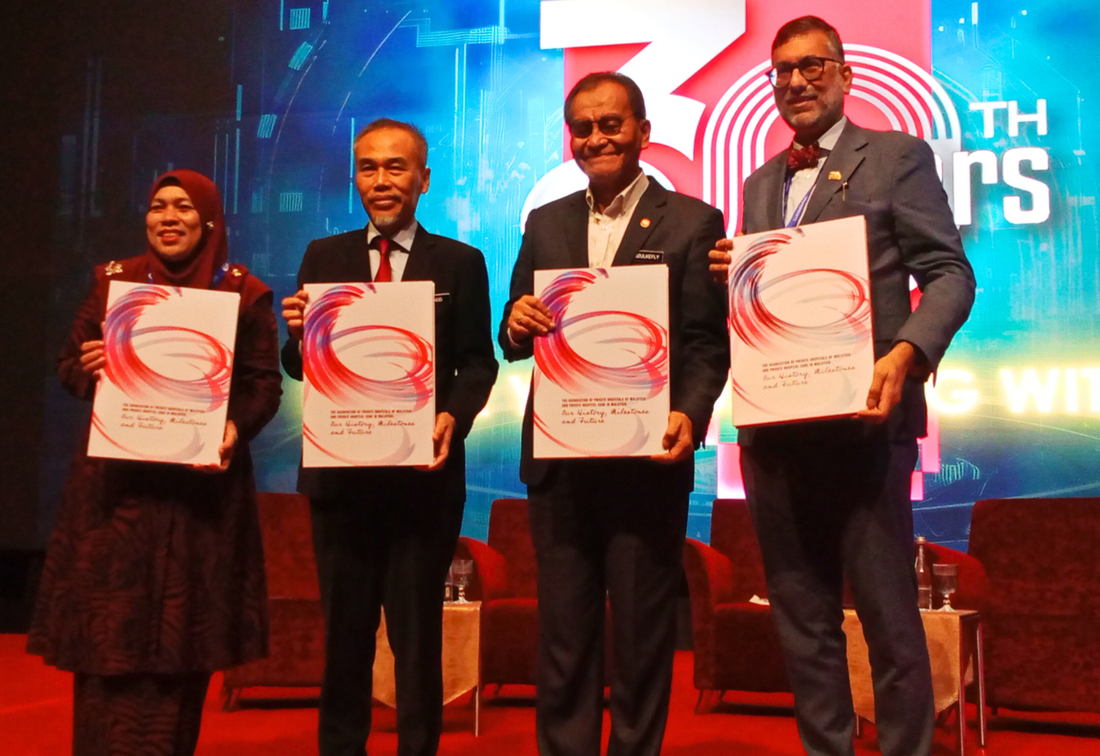
Advancing healthcare: Association of Private Hospitals Malaysia (APHM)'s milestone and future directionsAddressing the nurse shortage in healthcare: A call for extended amnesty and systemic reform
|
|
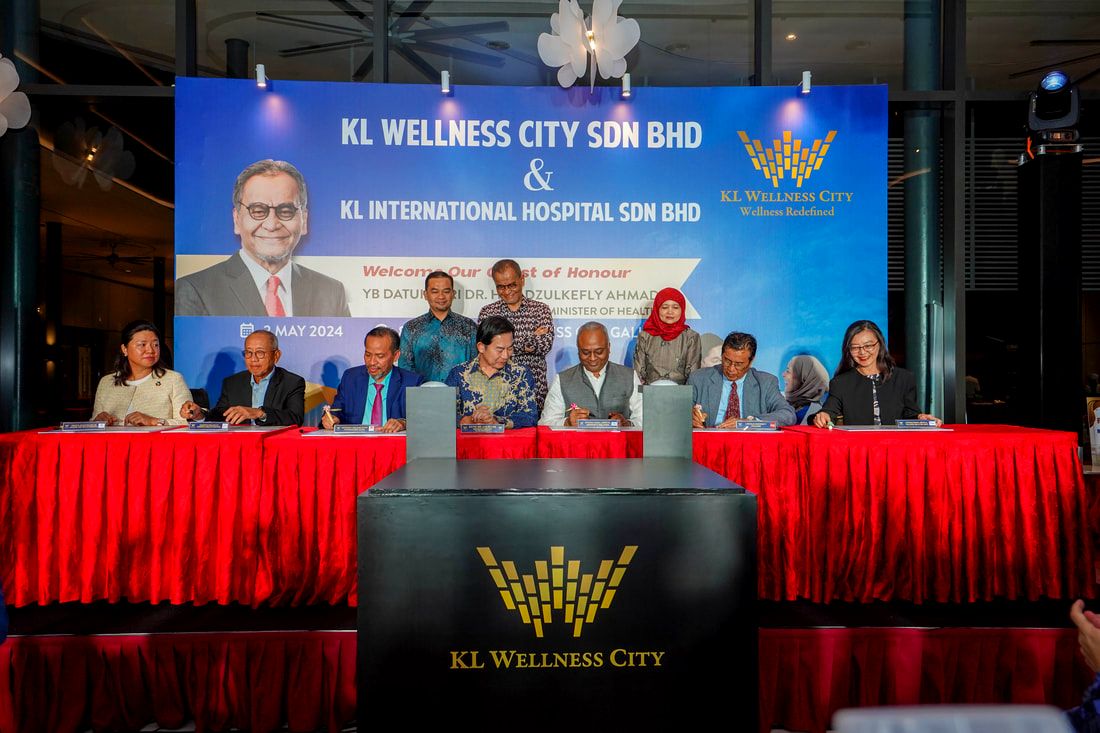
KL Wellness City allocates RM25 million to combat nursing shortageGuaranteed five years of employment
|
|
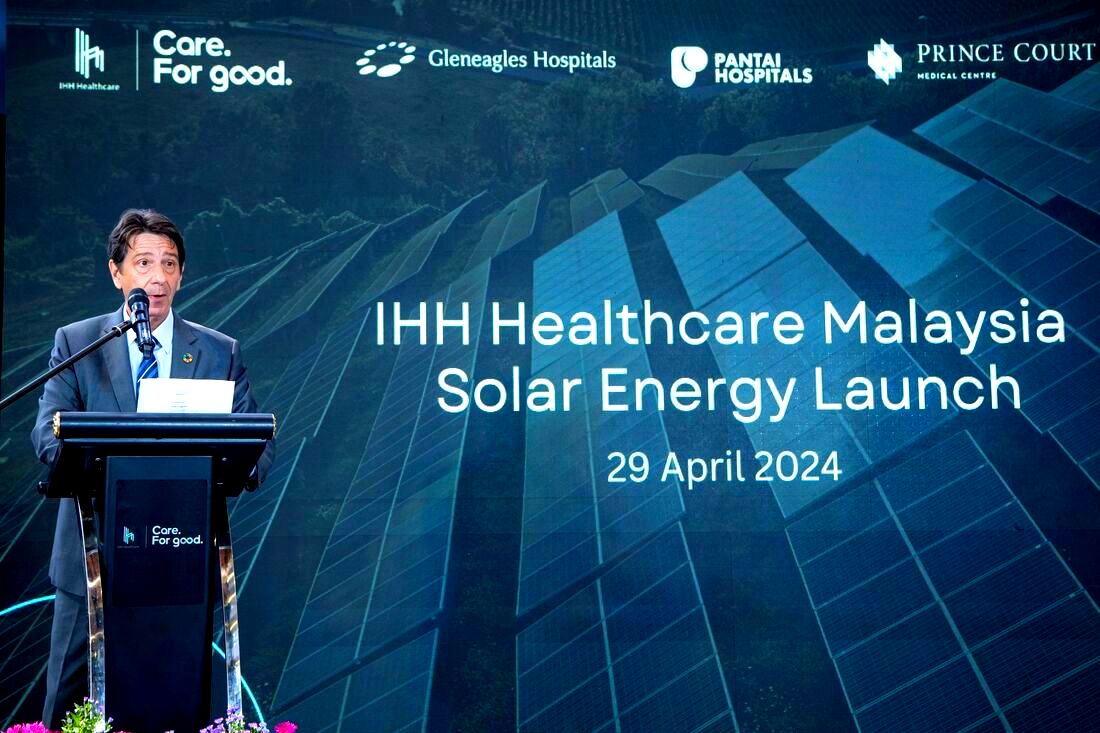
IHH Healthcare Malaysia champions solar power adoption across its entire hospital network17 hospitals in the network will shift to solar energy by 2025
|

|
Harnessing synergy for enhanced healthcare delivery: Vital collaboration between doctors and pharmacists |

|
Innovative business models revolutionizing private healthcare deliveryExploring healthcare opportunities: Six areas for startup involvement
|

|
Southeast Asian Healthcare & Pharma Show (SEACARE) draws strong participation, highlights industry advancementsPartnerships drive 30 million ringgit in potential sales
|

|
FOMEMA pledges RM300,000 towards vulnerable communities during RamadanRecent iftar events unite 4 charity homes and 51 students
|

|
Healthcare tourism: Malaysia's ascension in the global arenaHealthcare hub with USD 54.39B growth
|

|
The Lim dynasty: Nurturing 46 doctors across generations in PenangA journey of sacrifice, determination and medical triumph
|

|
Navigating monsoon season: Health impacts and safety precautionsReflecting on the impact of Taman Sri Muda floods
|

|
SEACARE 2024: A Gateway to Southeast Asia's healthcare and pharmaceutical industryUniting global industry players for growth and collaboration
|
|
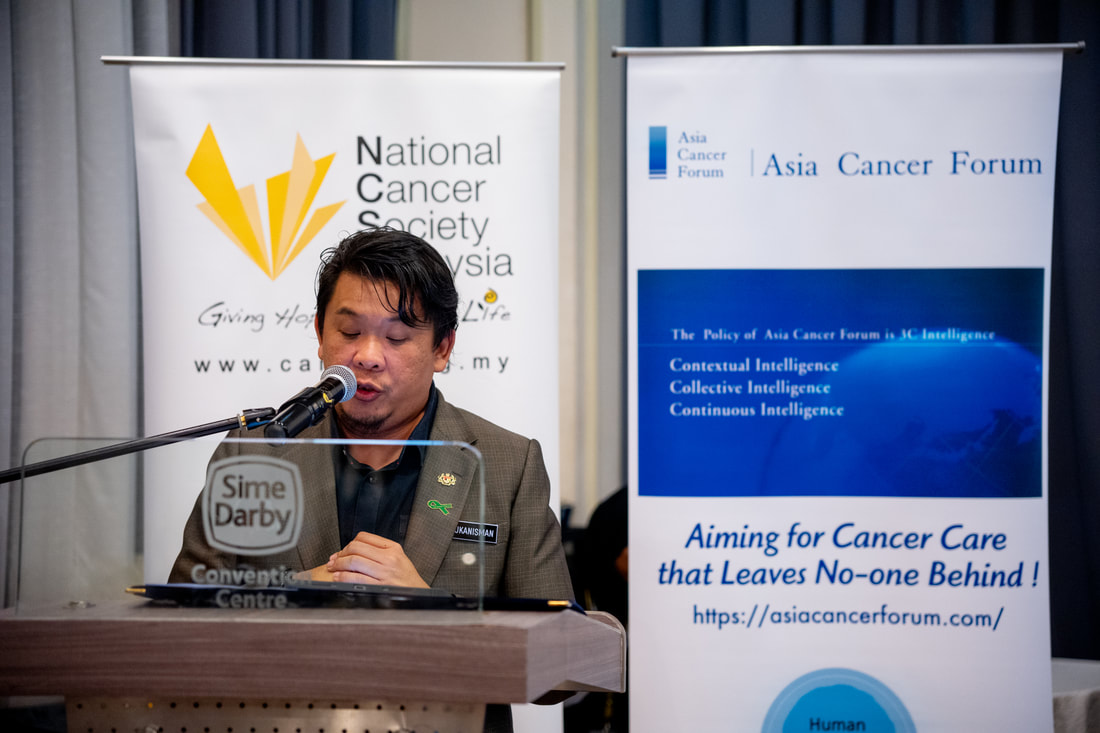
National Cancer Society Malaysia (NCSM) launches digital libraryFirst cancer digital library in four languages
|
|
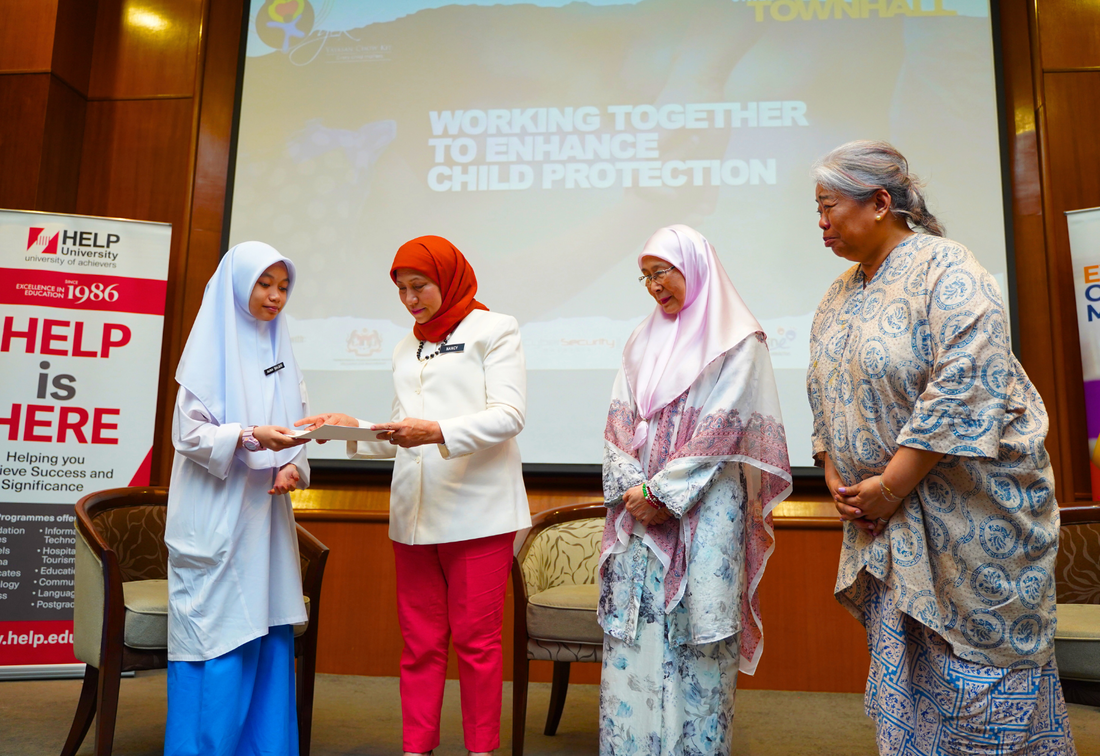
Yayasan Chow Kit leads discourse on child protection onlineDriving policy change and advocacy, collaborating to shield children from abuse and exploitation.
|

|
Join the healthcare revolution at Future Healthcare Asia 2024Explore the latest innovations and strategies that are redefining healthcare
|