Understanding childhood cancer and government treatment facilitiesUpdated December 18, 2023

Childhood cancer, constituting 3% of all cancer diagnoses in Malaysia, remains a formidable cause of mortality among young individuals. Within the age group of children under 15 years old, predominant cancers include leukemia at 40%, tumors of the central nervous system (CNS) at 15.2%, and lymphomas at 10.6%.
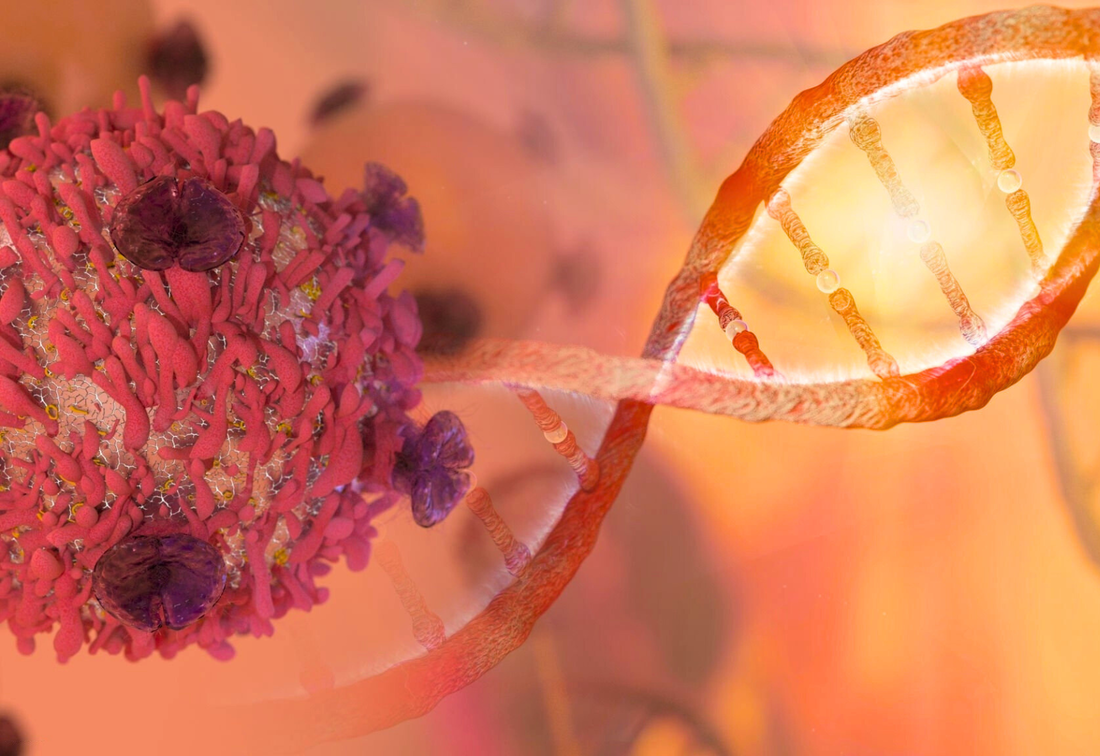
Like adult cancers, most childhood cancers stem from gene alterations leading to uncontrolled cell growth and cancer formation. These genetic changes, inherited from parents (known as germline variants) or arising spontaneously during cell development, contribute to the onset of cancer in children. Leukemia in children: Understanding the variants Leukemia, a cancer that develops from blood cell precursors, includes various types distinguished by their growth rate and the type of cells they originate from. Acute forms, like Acute Lymphocytic Leukemia (ALL), begin in early forms of white blood cells called lymphocytes. Acute Myeloid Leukemia (AML), on the other hand, originates from myeloid cells responsible for forming white blood cells (excluding lymphocytes), red blood cells, or platelets. These acute forms are prevalent among children and necessitate immediate intervention Chronic leukemias like Chronic Myeloid Leukemia (CML) and Chronic Lymphocytic Leukemia (CLL) are rarer and progress more slowly but pose challenges in treatment. Another rare leukemia, Juvenile Myelomonocytic Leukemia (JMML), occurs in young children (average age of 2 years) and exhibits symptoms such as pale skin, fever, cough, easy bruising or bleeding, trouble breathing (from too many white blood cells in the lungs), rash, an enlarged spleen, liver, and lymph nodes. Central Nervous System (CNS) tumors in children CNS tumors in children, notably astrocytomas, medulloblastomas, and ependymomas, present significant challenges. Astrocytomas, the most prevalent, appear predominantly between ages 5 to 9, affecting different brain areas or spinal cord but are most common in the cerebellum. Astrocytes are star-shaped glial cells that form a large portion of the brain parenchyma and serve various functions depending on their location in the central nervous system. Astrocytomas range from low-grade indolent tumors to malignant high-grade tumors. Medulloblastoma, a common malignant tumor, exhibits peaks in children aged 3 to 4 and 8 to 10 but can occur throughout childhood, while ependymomas are derived from the ependymal lining of the ventricular system and can occur in the supratentorial area, posterior fossa, or the spine and are more prevalent in children under 3. Non-hodgkin lymphoma varieties Lymphomas, including Non-Hodgkin and Hodgkin lymphoma, account for a significant portion of childhood cancers. Non-Hodgkin lymphomas, primarily involving B cells, manifest as enlarged glands in the neck, chest, or abdomen. Hodgkin lymphomas are more common in adolescents, presenting similar symptoms. The term lymphoma refers to a group of cancers of the lymph system, which is made up of:
In non-Hodgkin lymphoma, early white blood cells called lymphoblasts grow out of control and fail to mature. These cells, which make up the lymphoma, increase in number, causing swelling or enlargement of the glands or other body areas where they are usually found. This is why a child with lymphoma might have swollen lymph glands or a swollen abdomen. Lymphoma cells may also be present in the spinal fluid, which surrounds the brain and spinal cord. In boys, lymphoma cells can hide in the testes, making them swollen. The disease may also involve the bone marrow, which is the soft part in the center of the bones where blood cells are made. Types of non-Hodgkin lymphoma in children There are three major types of non-Hodgkin lymphoma found in children:
Signs and symptoms of non-Hodgkin lymphoma in children Non-Hodgkin lymphoma may start and grow slowly, but more often seems to grow quickly. Symptoms vary depending on what group of lymph nodes is affected. The first symptoms in your child may be large swollen glands in the neck, chest, under the arms or in the groin. Swollen lymph glands in the neck and chest may cause a cough, shortness of breath, wheezing or swelling of the face. Some children may experience fevers, pale skin, rashes or decreased appetite. When non-Hodgkin lymphoma begins in the abdomen, early symptoms may include stomach pain, a change in bowel habits or a mass (tumor) in the abdomen. Diagnosing childhood lymphomas necessitates a battery of tests, including biopsies, imaging (X-rays, CT scans, PET CT), blood tests, ultrasounds, and more, to accurately identify the cancer type and affected areas. Treatment typically involves chemotherapy and, at times, radiation therapy. Paediatric cancer treatment facilities In Malaysia, pediatric cancer treatment is available across various sectors, including public, university, and private hospitals. Notably, seven regional centres within the Ministry of Health (MOH) providing paediatric haemato-oncology services include: 1) Tunku Azizah Hospital (Kuala Lumpur Women and Children Hospital) 2) Penang General Hospital 3) Raja Permaisuri Bainun Hospital, Ipoh 4) Sultan Ismail Hospital, Johor Bharu 5) Sultanah Nur Zahirah Hospital, Kuala Terengganu 6) Sarawak General Hospital, Kuching, Sarawak 7) Sabah Women and Children Hospital, Kota Kinabalu, Sabah 8) The universities include: University Malaya Medical Center (UMMC), Hospital Canselor Tuanku Muhriz UKM (HCTM) in the Klang Valley and Hospital Universiti Sains Malaysia (HUSM) in Kubang Kerian, Kelantan. |
EXPLORE FURTHER
|
What is cancer and how does it spread?The differences between cancer cells and normal cells
|

|
Cancer: Different types and originsCategories that initiate within particular cell types.
|

|
What signs could signal cancer?Recognizing subtle clues from your body
|

|
Comprehensive guide to cancer screening: What you can expectNavigating initial screening apprehensions
|

|
How often should you be screened for cancer?Pre-cancer awareness and proper screening is vital
|

|
Cancer diagnostics: Tests and results explainedMaking sense of lab test, imaging test and biopsy
|
|
|



|
World Cancer Day: What will you do to close the care gap?Social factors or lifestyle can negatively impact the quality of cancer care.
|

|
Fighting cervical cancer in the age of COVID-19Second most common cancer despite it being a preventable disease.
|

|
Below 15 exposed to sexual intercourse, at higher risk of developing cervical cancerOral contraceptives...
|

|
No alternative therapy, magic pill for cure, says breast cancer survivor"There wasn't any pain nor any changes to my breast, but I could feel the lump."
|

|
Evolving treatment for metastatic colorectal cancerColorectal cancer is the most common cancer diagnosed in men
|

|
Locks of Hope: Empowering cancer patients with confidence and supportFree human-hair pieces to individuals battling cancer.
|
|
Chemotherapy: Balancing efficacy and minimizing side effectsFor decades, chemotherapy has remained a cornerstone in cancer treatment...
|

|
PET scans in prostate cancer detectionThe risk of prostate cancer increases with age, and it often coexists with Benign Prostatic Hyperplasia (BPH)
|

|
Triumph over adversity: Stories of courage in the face of cancerThree inspiring individuals defying the odds
|

|
Can you be fired for having cancer?National Human Resource Centre says no provision in Employment Act for cancer
|
|
Nutrition vs. dot-com doctors: Debunking cancer mythsCancer preventive tips from a nutritionist
|

|
How often should you be screened for cancer?Pre-cancer awareness and proper screening is vital.
|

|
Cigarettes cause bladder cancerSmokers are four times more likely to develop bladder cancer than non-smokers.
|

|
Malaysia's cancer landscape: A closer look at incidence, trends and risk factorsChanging cancer incidence patterns in Malaysia
|