When hope is lost: Miscarriage, the hidden grief and emotional toll on women
June 11, 2025

Unlike chicken pox, the rashes are not usually on the trunk of the body but on the hands and feet and sometimes also on the knees, elbows and buttocks.
Miscarriage is a deeply personal and emotional experience that affects many women worldwide, including 15.9% of women in Malaysia of reproductive age between 15 to 49 years old. This traumatic event can profoundly impact not only the women who experience it but also their caregivers. While some recover relatively quickly, others may suffer prolonged grief and guilt, affecting their overall quality of life. Understanding miscarriage is critical for women and their support networks, as it helps build the resilience needed to navigate the experience and offers hope for future pregnancies.
Miscarriage refers to the spontaneous loss of pregnancy before the foetus reaches viability, typically before 20-28 weeks. Most miscarriages (75-80%) occur within the first 3 months of pregnancy, and studies indicate that 1 in 4 to 5 pregnancies end in miscarriage, though the actual number may be higher due to unreported early losses. Various factors contribute to miscarriage, including maternal age, with chromosomal abnormalities increasing the risk from 6.4% for women under 35 to 23.1% for women over 40. 1 in 100 women experience recurrent miscarriage, often without a known cause, but specialised care can increase the chances of a successful outcome to 75%. Medical conditions like diabetes, thyroid disorders, polycystic ovary syndrome, and blood-clotting issues, as well as lifestyle factors such as smoking, recreational drug and alcohol abuse, and obesity, also increase the risk. It is important to note that common misconceptions, such as exercise or sexual activity during pregnancy, do not cause miscarriage. The primary symptoms of miscarriage include vaginal bleeding —which can range from light spotting to heavy bleeding—and cramping or severe pain. While bleeding may last for 1–2 weeks with the heaviest flow typically in the first two days, even mild spotting at any point in pregnancy requires immediate medical attention. Diagnosis is typically confirmed through a clinical history, physical exam, and ultrasound, ensuring that appropriate care is given. Understanding these warning signs helps women and their families take proactive steps toward recovery. Types of miscarriage and treatment
If miscarriage tissue is expelled, it should be collected in a clean container for diagnosis. For treatment, women with a complete miscarriage typically do not require further treatment. Other cases may involve:
Impact and supportive care The physical impacts of miscarriage can include heavy bleeding, pain, infection, trauma to the reproductive organs, and the potential need for repeat surgery. Septic miscarriage may affect future fertility. Emotionally, women may experience guilt, shock, anger, and anxiety, with some facing depression, post-traumatic stress disorder, or suicidal thoughts, making emotional and mental health support crucial. Follow-up care is important within 2 weeks to monitor both physical and emotional recovery. Ovulation usually resumes within 2 weeks, and menstruation returns in 4-6 weeks. It is advisable to wait until normal menstruation resumes before planning future pregnancies. Support from partners, family, and friends is vital for healing, and employers should offer compassionate leave options and flexibility in taking time off for recovery and follow-up care. Miscarriage leaves lasting emotional imprints. Women should feel empowered to share their experiences, knowing their grief is acknowledged and supported. With the right knowledge and support, both physical and emotional healing is possible, helping women move forward with resilience. |

EXPLORE FURTHER

|
Postpartum hemorrhage: A preventable cause of maternal deathMaternal obesity heightens the risk of postpartum hemorrhage
|

|
Chickenpox in children aged 3 to 6 yearsA guide for parents on symptoms, management, and prevention
|

|
A parent's guide to hearing loss in young kidsDisparities in access to hearing screening may result in hearing loss going undetected
|

|
Tackling tummy troubles: Managing functional constipation in childrenHow stress, poor diet, milk intolerance, and rushed potty training trigger functional constipation
|

|
Are all baby skin care products truly safe to use?Ingredients that can cause dryness and allergies in baby’s skin
|

|
Food allergies in children can be life threateningDoes a food diary really help?
|

|
Japan's ultimate gaming bed: Balancing entertainment and real-life for teensWhat are its impact on teenagers?
|

|
When teens speak about the opposite sex: How parents can respondGuidance for discussing opposite sex with teen without judgment
|
|
Disturbing trend on TikTok: Cracking eggs on children's foreheads for entertainmentDelicate balance between entertainment and children's emotional well-being
|

|
The ultimate hospital bag checklist for mom and babyA significant step towards a stress-free birthing experience
|

|
Ultrasound to detect abnormalities in pregnancyDetecting abnormalities during different stages of fetal development.
|

|
Postpartum hernia: A common occurrence following a C-sectionPelvic floor exercises during pregnancy
|

|
Should you swaddle your baby?We might think that it is actually uncomfortable, because we ourselves do not want to be that way
|

|
Sudden Infant Death Syndrome (SIDS): Causes, safe sleeping practices, and co-sleeping concernsCot death or crib death
|

|
Do you have enough milk to breastfeed your baby?A good latch increases milk supply
|

|
Butterfly children with skin as fragile as a butterflyEpidermolysis Bullosa causes the skin to blister - becoming fragile even at the slightest touch
|

|
Thumb sucking and pacifier use in children affects the bite says dentistThumb sucking causes the teeth to proclinate outwards
|
|
Liquids with natural sugars linked with baby bottle tooth decayChildren who suck on pacifiers dipped in sugar or syrup are equally at risk.
|

|
Debunking myths and reinforcing facts on vaccinationPerak, Terengganu and Pahang record highest number of anti-vaxxers
|

|
Is it ADHD or other developmental disorders?When one toy may not be enough
|

|
Food allergies in children can be life threateningDoes a food diary really help?
|

|
Paracetamol use in childrenToo much paracetamol can cause liver problems
|
|
Guide to winning your child's tantrums on your next road tripFive tips to ace your vacation
|

|
Is my child too short?How do you determine if your child is growing well?
|

|
Identifying Hand-Foot-And-Mouth disease in your childA contagious disease that spreads through touch, saliva and stool
|

|
Breastfeeding as a natural cure for jaundice?Breastfeeding babies lose jaundice in the third week.
|

|
Hemorrhagic disease of the newborn (HDN) as a result of Vitamin K deficiencyBleeding in infancy develops in the first days and weeks of life
|

|
What parents need to know about the 6-in-1 vaccine under the National Immunisation Program for infants and children |

|
Coronavirus: Babies vaccine schedule should not be delayedAre clinics safe? Is there a risk of catching the disease from the attending nurse or doctor?
|

|
Partner participation helps mother breastfeed longer, says studySupport helps mothers breastfeed longer
|
|
The art of babywearing: A guide to safe and convenient parentingBabywearing can be a game-changer, offering hands-free parenting
|

|
Teaching children swimming at a young age: Yay or Nay?Swimming brings lifelong benefits to children and imbue in them essential life skills.
|

|
Squint treatment for children: A life-changing experienceChildren with reduced vision may have delayed developmental milestones
|
|
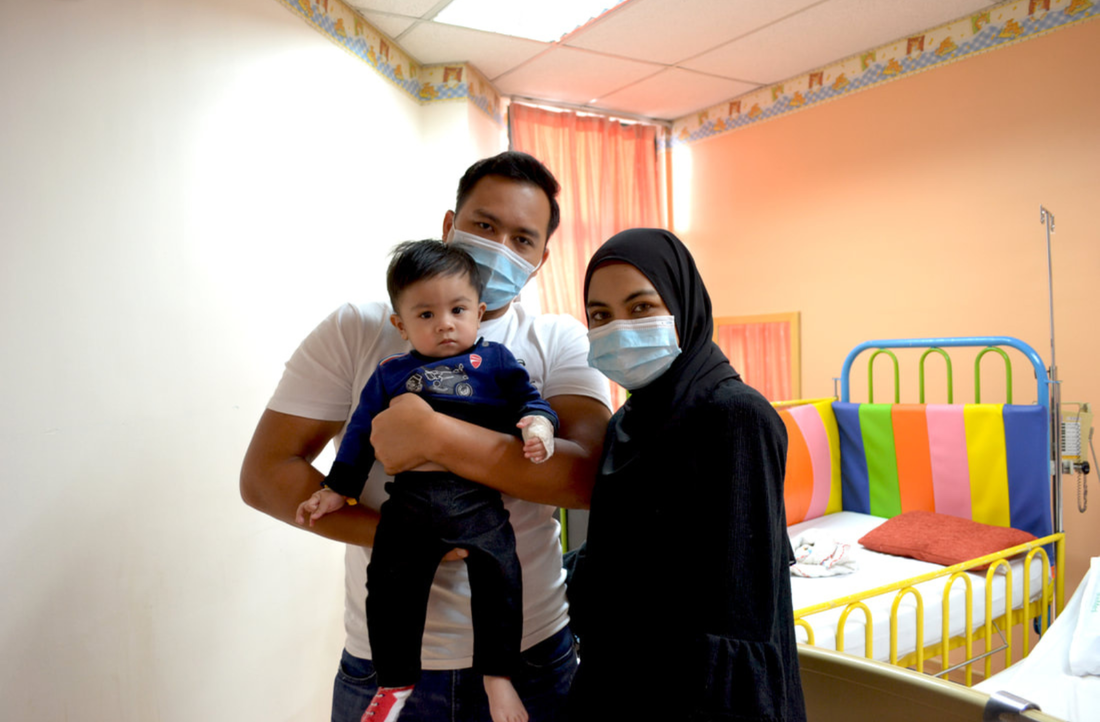
Family travels over 400km to treat 11-month old son with congenital heart defectTests confirmed that he was born with two holes in his heart.
|

|
Managing scoliosis - torsional deformity of the spine in the youngIdiopathic scoliosis is more apparent during an adolescent’s growth spurt
|

|
Your developing child - How milestones play an important roleEarly experiences can influence lifelong learning and health.
|