Why are so many workplaces still failing breastfeeding mothers?August 4, 2025

A mother’s determination to breastfeed is powerful, but lasting success often depends on support, education, and a breastfeeding-friendly environment.
World Breastfeeding Week, observed annually from August 1st to 7th, is a global initiative supported by World Health Organization (WHO), United Nations Children's Fund (UNICEF) and various ministries of health and civil society partners. It serves as a platform to highlight breastfeeding as a foundation for lifelong health, development, and equity.
Breastfeeding remains one of the most effective ways to ensure a child’s health and survival. It provides safe, nutrient-rich nourishment packed with antibodies that protect against illness, while also strengthening the emotional bond between mother and infant. While physical breastfeeding challenges are often acknowledged, the emotional and psychological toll remains underdiscussed. For many mothers, the experience is deeply emotional, entangled with guilt, stress, and isolation. Barriers to breastfeeding Breastfeeding is often a mother’s own determination, supported by encouragement from her partner. However, even the most motivated mothers frequently encounter significant obstacles—ranging from limited breastfeeding knowledge and lack of support from healthcare professionals and family members to outdated facilities that make breastfeeding more challenging. These challenges impact not only breastfeeding practices but also maternal mental health. Therefore, a holistic approach is needed—one that integrates education, emotional support, and infrastructure improvements. Breastfeeding is more than a biological function, it is closely linked with hormonal changes, particularly oxytocin, which promotes relaxation and bonding. However, issues such as low milk supply, difficulty in latching, or painful conditions such as engorged breasts, blocked ducts or inverted nipple can trigger emotional stress. These challenges often heighten anxiety, especially in first-time mothers. Postpartum depression and breastfeeding difficulties There is a significant association between low breastfeeding success rates and postpartum depression—depression can hinder breastfeeding, and breastfeeding challenges can deepen depression. In Malaysia, exclusive breastfeeding is often seen as a moral responsibility and a reflection of good motherhood. As a result, mothers who use formula milk may feel judged or inadequate. This cultural stigma, compounded by rigid messaging from healthcare providers and social media often intensifies this guilt. Despite progress in maternal and child healthcare, mental health remains a taboo topic in many Malaysian households. The National Health and Morbidity Survey (NHMS) 2022 reported that 11.2% of postpartum women showed signs of depression. Yet many cases go undiagnosed and untreated, as emotional distress is often dismissed as a normal part of motherhood. New mothers often suffer in silence, fearing judgment or being perceived as weak. Some older relatives may downplay their struggles, reinforcing stigma and discouraging open dialogue. Unless mothers feel safe to speak up, their psychological impact remains invisible in healthcare settings. Struggle to sustain breastfeeding after maternity leave Another key stressor is the limited maternity leave. Malaysian women employed in both public and private sectors typically return to work within 90 days after childbirth, with little time to establish a consistent breastfeeding routine. Many workplaces lack breastfeeding-friendly policies, such as designated lactation rooms, proper storage, or flexible breaks for mothers to express milk. Moreover, it is often observed that new working mothers experience emotional exhaustion when torn between workplace responsibilities and their desire to continue breastfeeding. This role conflict increases anxiety and frequently leads to the early cessation of breastfeeding. The power of support Despite these challenges, support systems can ease the burden. Structured counselling and peer support groups have been shown to improve outcomes for both breastfeeding and maternal mental health. Partner and family support, in particular, can help mothers navigate the emotional ups and downs. Initiatives such as the Malaysian Breastfeeding Peer Counsellor Association offer mother-to-mother support in non-judgmental environments. Such efforts have been proven to reduce postpartum depression and increase breastfeeding success. To better support mothers, several key steps should be prioritized. Mental health screening must be integrated into postnatal care routines across both public and private healthcare sectors to identify mothers who are at risk of emotional distress early on. Healthcare providers must be trained to recognize and address the psychological aspects of breastfeeding, ensuring more empathetic and comprehensive care. Expanding access to peer support groups and counselling hotlines can provide mothers with timely emotional guidance. Equally important, workplaces must adopt breastfeeding-friendly policies—providing adequate time, private spaces for milk expression, and a culture that supports working mothers. While breastfeeding is often portrayed as a natural and joyful experience, for many Malaysian mothers, it can be a silent source of stress, guilt, and emotional fatigue. Recognizing and addressing these mental health challenges is vital for holistic maternal care. By fostering a more empathetic and inclusive system, we can empower mothers, support their choices, and protect their mental well-being—because a healthy mother is the foundation of a healthy family. |

EXPLORE FURTHER

|
Postpartum hemorrhage: A preventable cause of maternal deathMaternal obesity heightens the risk of postpartum hemorrhage
|

|
Chickenpox in children aged 3 to 6 yearsA guide for parents on symptoms, management, and prevention
|

|
A parent's guide to hearing loss in young kidsDisparities in access to hearing screening may result in hearing loss going undetected
|

|
Tackling tummy troubles: Managing functional constipation in childrenHow stress, poor diet, milk intolerance, and rushed potty training trigger functional constipation
|

|
Are all baby skin care products truly safe to use?Ingredients that can cause dryness and allergies in baby’s skin
|

|
Food allergies in children can be life threateningDoes a food diary really help?
|

|
Japan's ultimate gaming bed: Balancing entertainment and real-life for teensWhat are its impact on teenagers?
|

|
When teens speak about the opposite sex: How parents can respondGuidance for discussing opposite sex with teen without judgment
|

|
Disturbing trend on TikTok: Cracking eggs on children's foreheads for entertainmentDelicate balance between entertainment and children's emotional well-being
|

|
The ultimate hospital bag checklist for mom and babyA significant step towards a stress-free birthing experience
|

|
Ultrasound to detect abnormalities in pregnancyDetecting abnormalities during different stages of fetal development.
|

|
Postpartum hernia: A common occurrence following a C-sectionPelvic floor exercises during pregnancy
|

|
Should you swaddle your baby?We might think that it is actually uncomfortable, because we ourselves do not want to be that way
|

|
Sudden Infant Death Syndrome (SIDS): Causes, safe sleeping practices, and co-sleeping concernsCot death or crib death
|

|
Do you have enough milk to breastfeed your baby?A good latch increases milk supply
|

|
Butterfly children with skin as fragile as a butterflyEpidermolysis Bullosa causes the skin to blister - becoming fragile even at the slightest touch
|

|
Thumb sucking and pacifier use in children affects the bite says dentistThumb sucking causes the teeth to proclinate outwards
|
|
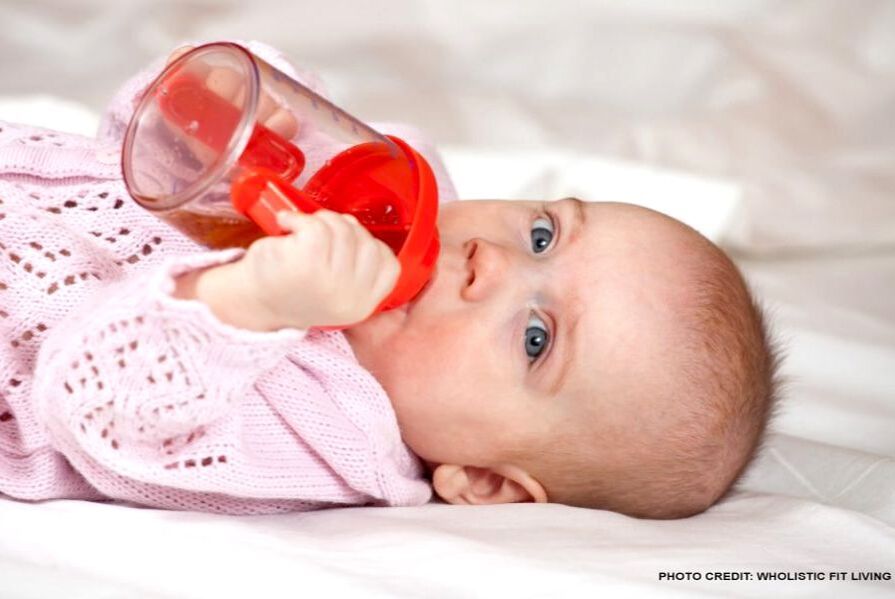
Liquids with natural sugars linked with baby bottle tooth decayChildren who suck on pacifiers dipped in sugar or syrup are equally at risk.
|

|
Debunking myths and reinforcing facts on vaccinationPerak, Terengganu and Pahang record highest number of anti-vaxxers
|

|
Is it ADHD or other developmental disorders?When one toy may not be enough
|

|
Food allergies in children can be life threateningDoes a food diary really help?
|

|
Paracetamol use in childrenToo much paracetamol can cause liver problems
|

|
Guide to winning your child's tantrums on your next road tripFive tips to ace your vacation
|

|
Is my child too short?How do you determine if your child is growing well?
|

|
Identifying Hand-Foot-And-Mouth disease in your childA contagious disease that spreads through touch, saliva and stool
|

|
Breastfeeding as a natural cure for jaundice?Breastfeeding babies lose jaundice in the third week.
|

|
Hemorrhagic disease of the newborn (HDN) as a result of Vitamin K deficiencyBleeding in infancy develops in the first days and weeks of life
|

|
What parents need to know about the 6-in-1 vaccine under the National Immunisation Program for infants and children |

|
Coronavirus: Babies vaccine schedule should not be delayedAre clinics safe? Is there a risk of catching the disease from the attending nurse or doctor?
|

|
Partner participation helps mother breastfeed longer, says studySupport helps mothers breastfeed longer
|

|
The art of babywearing: A guide to safe and convenient parentingBabywearing can be a game-changer, offering hands-free parenting
|

|
Teaching children swimming at a young age: Yay or Nay?Swimming brings lifelong benefits to children and imbue in them essential life skills.
|

|
Squint treatment for children: A life-changing experienceChildren with reduced vision may have delayed developmental milestones
|

|
Family travels over 400km to treat 11-month old son with congenital heart defectTests confirmed that he was born with two holes in his heart.
|

|
Managing scoliosis - torsional deformity of the spine in the youngIdiopathic scoliosis is more apparent during an adolescent’s growth spurt
|

|
Your developing child - How milestones play an important roleEarly experiences can influence lifelong learning and health.
|