LIBRESSE INTRODUCES V-ZONE BOARD GAME FOR WOMENMAY 2, 2020 @ 4.12PM

The V game’ is an interactive board game set to trigger conversations on the V-zone among women.
A recent survey conducted by Libresse revealed that V-zone knowledge is low among Malaysian women, with 69 per cent who have mistakenly identified a diagram of a woman’s reproductive system. In addition, 63 per cent of respondents have not seen and know what a vulva was. The survey also found that almost four out of 10 women feel uncomfortable using the word ‘vagina’ in conversations, perpetuating the cultural taboos surrounding V-zone conversations.
These results point to a significant gap in knowledge, which may prevent women from taking the appropriate action when faced with common problems like infections or lead to a delay in identifying symptoms of serious health conditions. To help increase awareness of V-zone knowledge, Libresse has teamed up with consultant obstetrician and gynaecologist Dr Patricia Lim Su-Lyn to provide credible information in a fun and interesting way, lending her medical experience and insights through the campaign’s ongoing digital and educational initiatives. The V-game The V game’ is an interactive board game which will be given away via social media, schools and in-store. Set to trigger conversations among women of all ages, participants will role-play in everyday situations that women face, from dealing with their monthly period to talking about V-zone health. The game guides players and provides solutions that resolve these situations, while offering facts on how women can care for and love themselves, including appropriate care for the delicate V-zone. Aside from the digital and social media initiatives, Libresse extends the campaign to selected schools as part of a long-standing initiative to share knowledge about puberty, periods and V-zone care among girls aged 10 years and above. Since 2014, the Libresse school campaigns have reached more than 605,000 students nationwide and have been receiving positive feedback from schools, teachers and parents alike, driving the continuation of this education movement. “Knowledge is power and women need to be taught from an early age to take charge of their V-zone health – nobody else can do this for them. This includes taking note of their monthly period cycle and any irregularities, conducting vaginal self-examinations and seeing a gynae annually for check-ups,” explained Patricia. “If it’s part of your own body, you don’t have to feel embarrassed about checking it yourself and have gynaecologists look at your V-zone. You should know what it looks like when it’s healthy, and notice when something is wrong. It’s also not enough that most women only see a gynaecologist when they get pregnant or have an infection. Health screenings like Pap smears are important to detect possible health problems early,” she added. 


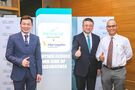
Roche launch Perjeta - Herceptin combination, a post surgery treatment for early breast cancer (eBC)
SEE MORE: PRODUCTS & SUPPLEMENTS


SEE MORE: HEALTH A - Z


SEE MORE: PARENTING


SEE MORE: AGEING
|




SEE MORE: IN THE SPOTLIGHT


SEE MORE: MEN'S HEALTH


SEE MORE: WOMEN


SEE MORE: FITNESS


SEE MORE: NUTRITION
|

- IN THE SPOTLIGHT
-
HEALTH CONDITIONS
- ANTIMICROBIAL RESISTANCE
- ARTHRITIS
- ASTHMA
- BACK PAIN
- BRAIN DISORDERS
- BREAST CANCER
- CANCER
- CARDIOVASCULAR DISEASE
- CERVICAL CANCER
- CORONAVIRUS DISEASE (COVID-19)
- DEMENTIA
- DENGUE
- DENTAL PROBLEMS
- DIABETES
- DRUG ABUSE
- EAR, NOSE AND THROAT
- ECZEMA
- EPILEPSY
- EYE
- FIBROIDS
- GASTROINTESTINAL DISEASES
- INFLUENZA (FLU)
- HEADACHES & MIGRAINES
- HEPATITIS
- HIV & AIDS
- JOINT PAIN
- KIDNEY DISEASE
- LUNG CANCER
- LUPUS
- MELASMA
- MENTAL HEALTH
- MOUTH-AND-TEETH
- OBESITY
- OSTEOPOROSIS
- OVARIAN DYSFUNCTION: UNDERSTANDING PREMATURE OVARIAN FAILURE, POLYCYSTIC OVARY DISEASE AND INFERTILITY
- SEXUAL & REPRODUCTIVE HEALTH
- SKIN CONDITIONS
- SLEEP
- STROKE
- DISABILITIES & SPECIAL ABILITIES
- NURSING RESOURCES
- DIGITAL HEALTH
- HEALTH PRODUCTS & SERVICES
- RELATIONSHIPS
- FAMILY HEALTH & PARENTING
- EMPOWERING WOMEN
- MEN'S WELLNESS
- GOLDEN YEARS
- ACTIVE LIFE HUB
- NUTRITION
- COMPLIMENTARY MEDICINE
- HUMANITARIAN & COMMUNITY HEALTH
- AMBULANCE AND FIRST AID GUIDE
- Community clinics/ Klinik Komuniti
- Government Dental Clinics / Klinik Pergigian Kerajaan
- ABOUT US