Malaysia steps up hantavirus screening at maritime entry points, 22,000 vessels inspected
May 11, 2026

Health Minister Datuk Seri Dr Haji Dzulkefly Ahmad said 22,367 ships and boats have been inspected at Malaysia’s entry points. From these inspections, 2,421 free pratique certificates and 1,146 ship sanitation certificates have been issued.
Malaysia has intensified health screenings at all international entry points, particularly in the maritime sector, as part of precautionary measures to prevent hantavirus from entering the country.
Health Minister Datuk Seri Dr Haji Dzulkefly Ahmad assured the public that, as of May 10, there have been zero reported hantavirus cases in Malaysia or involving Malaysians. He clarified that the six laboratory-confirmed cases recently highlighted occurred overseas, not within the country. Despite the absence of local cases, the minister emphasized that Malaysia must remain vigilant against the rodent-borne virus. “We do not want to be alarmist, but we also do not want people to be complacent. No country is safe unless we take precautionary measures and remain prepared,” he told reporters. Maritime sector under strict health monitoring To strengthen the nation’s border health security, the Health Ministry has enforced strict monitoring within the maritime sector. All ships and vessels entering Malaysian waters are now subject to health inspections, particularly those arriving from areas considered high-risk for infectious diseases. According to Dr Dzulkefly, 22,367 ships and boats have been inspected at Malaysia’s entry points. From these inspections, 2,421 free pratique certificates and 1,146 ship sanitation certificates have been issued. “These steps are crucial to ensure that vessels entering our country comply with international public health and sanitation requirements,” he said during a press conference in Cyberjaya on May 10. Four-pronged national preparedness strategy The Health Ministry has implemented a four-pronged strategy to address the potential threat of hantavirus entering Malaysia. The approach includes global surveillance and information sharing, strict border control measures at all entry points, targeted monitoring of maritime arrivals and community empowerment. Malaysia’s healthcare system ready for detection and treatment Malaysia’s healthcare system is also fully prepared to detect and manage hantavirus infections if cases arise. Institute for Medical Research has the capability to diagnose hantavirus using polymerase chain reaction (PCR) testing. Dr Dzulkefly explained that hantavirus infections can lead to serious health complications. “The virus can cause acute respiratory syndrome, similar in nature to Sars. In more severe cases, it can lead to haemorrhagic fever with renal syndrome, which involves kidney complications. This is what we are conducting PCR tests for,” he said. Health offices at all international entry points are also prepared to enhance sanitation and monitoring activities should the need arise. “Our standard diagnostics and tests are ready. Health offices at all international entry points are also prepared and will continue to strengthen sanitation activities,” he added. Public urged to maintain clean environments Beyond border control measures, the Health Ministry is urging the public to help reduce the risk of hantavirus transmission by maintaining clean environments to keep rodent populations at bay. Hantavirus is primarily spread through air contaminated with rat urine, droppings, or saliva. Dr Dzulkefly advised members of the public to seek immediate medical attention if they experience any symptoms. “Risk communication and public awareness campaigns are being intensified so that the public is more alert. A prepared and responsive health system is vital, and the Health Ministry’s response level is currently at a high state of readiness,” he said. Regional attention to hantavirus recently increased following an outbreak linked to the MV Hondius, which remains anchored near Tenerife, Spain. Initially, two Singapore residents aboard the vessel were suspected of being infected, although both later tested negative. Dr Dzulkefly previously confirmed that no Malaysians were aboard the ship, which reported a fatal outbreak. At present, there are eight cases: five confirmed, three suspected and three deaths. |
EXPLORE FURTHER

|
Ministry of Health ramps up mpox surveillance following WHO's renewed global health alertCan rapid containment measures from COVID-19 success help curb the spread of mpox?
|
|
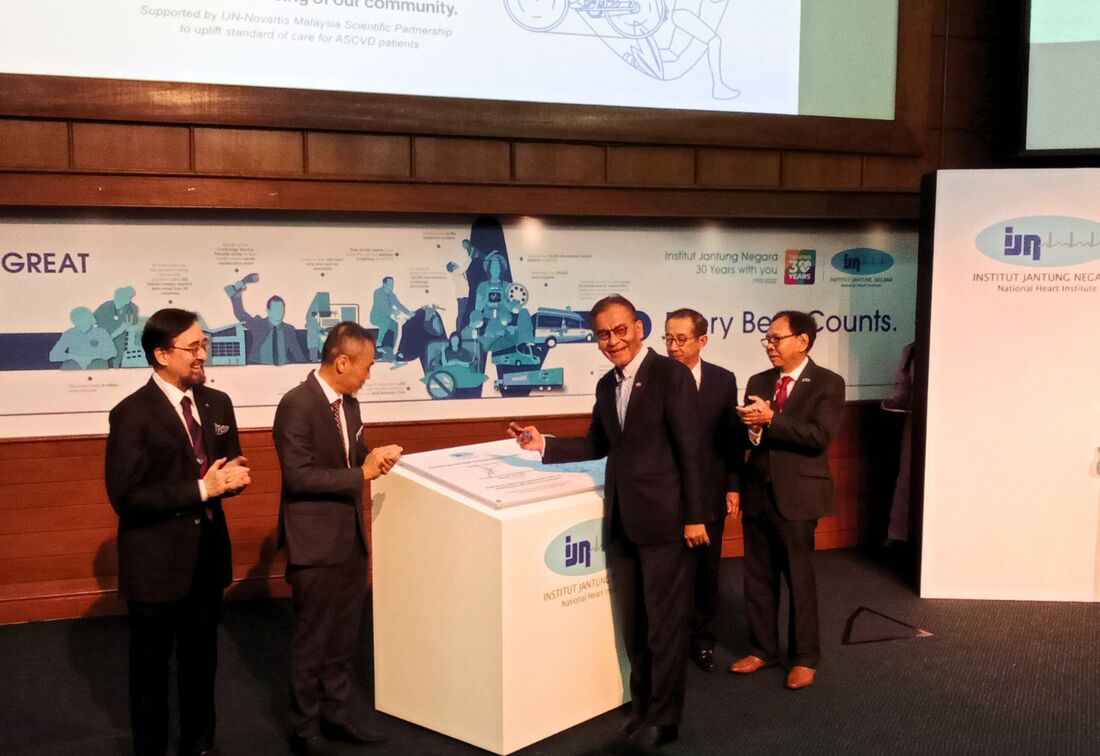
National Heart Institute (IJN) expands Cardiovascular Risk Reduction Clinic (CRRC)Patient-based clinical community model aims to create a scalable approach
|

|
Public-private partnerships in healthcare: Malaysia's future trends and modelsAddressing pandemic preparedness, medical equipment leasing, research commercialization and transparent drug policies
|
|
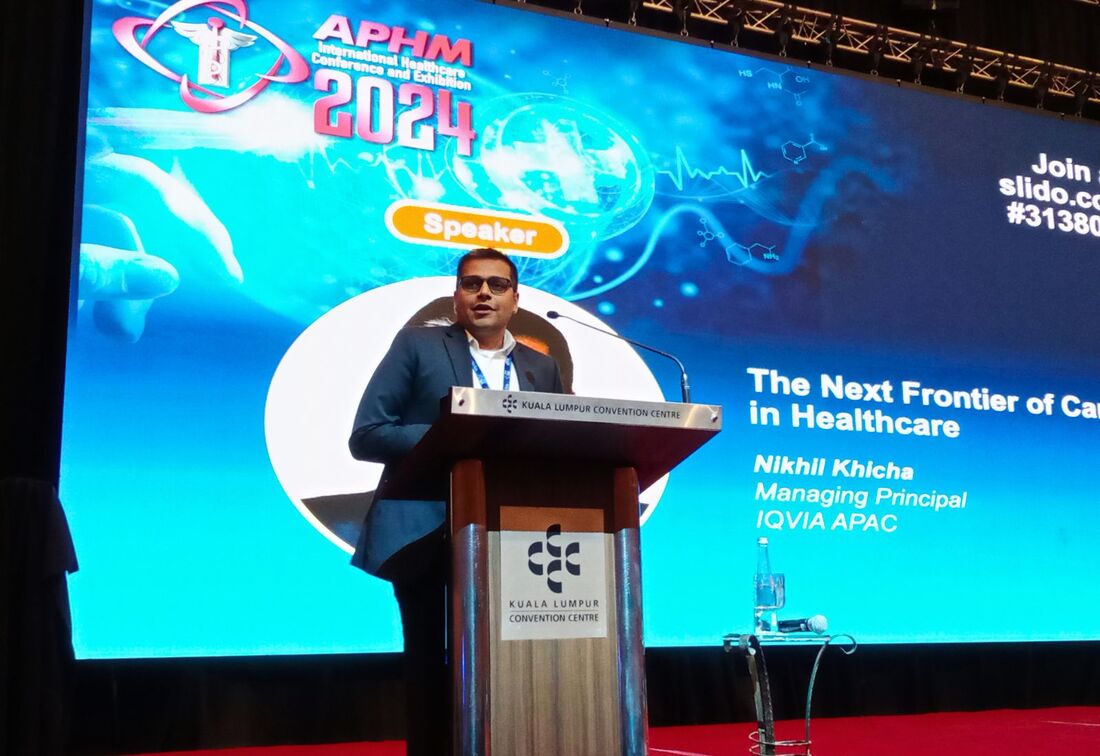
The next frontier of care delivery in healthcareTackling overflowing hospitals, elderly care demands, and digital innovations to shape the future of patient care
|

|
Advancing healthcare: Association of Private Hospitals Malaysia (APHM)'s milestone and future directionsAddressing the nurse shortage in healthcare: A call for extended amnesty and systemic reform
|
|
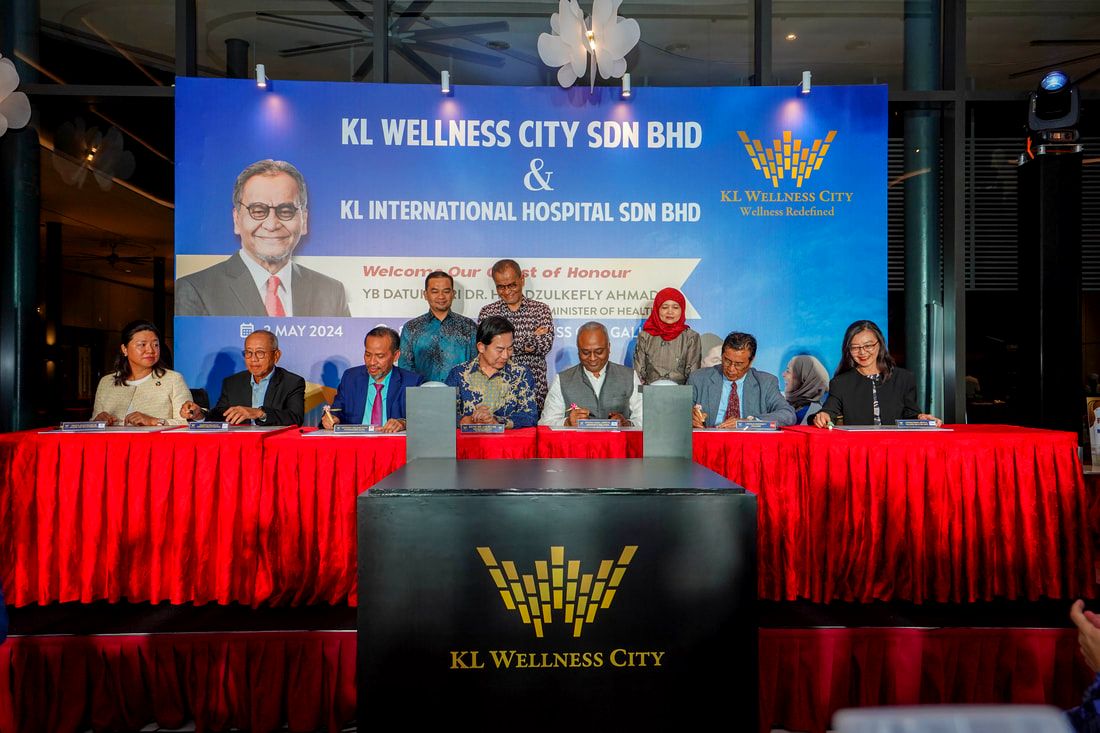
KL Wellness City allocates RM25 million to combat nursing shortageGuaranteed five years of employment
|

|
IHH Healthcare Malaysia champions solar power adoption across its entire hospital network17 hospitals in the network will shift to solar energy by 2025
|
|
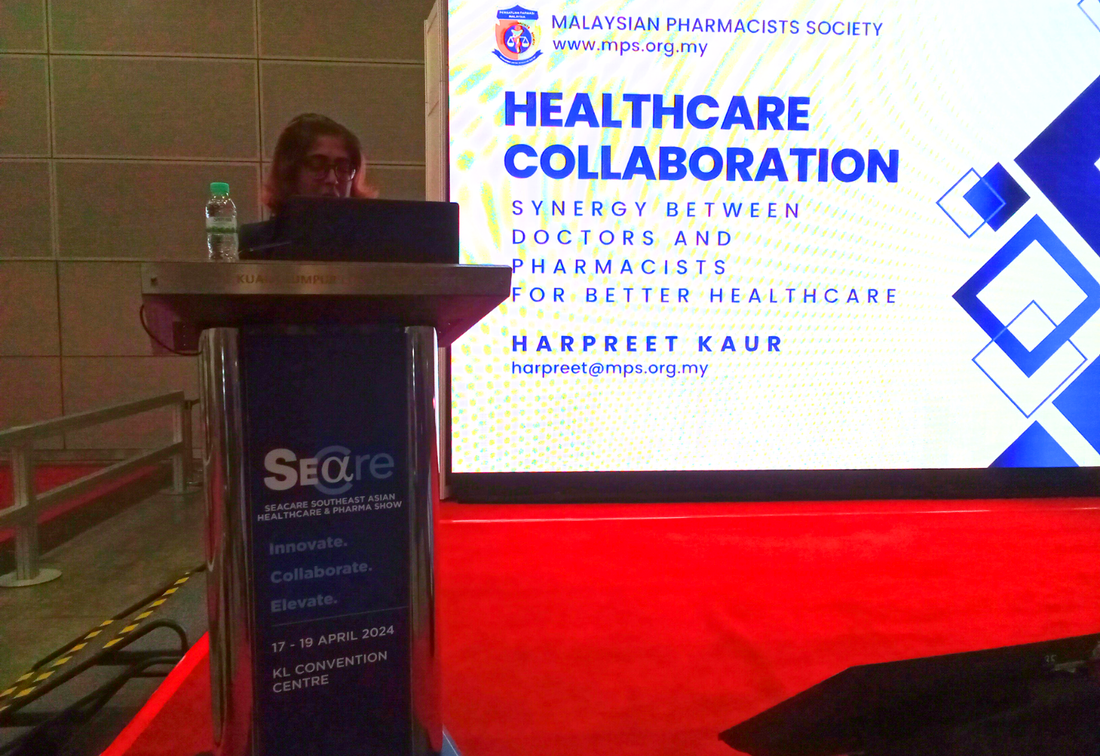
Harnessing synergy for enhanced healthcare delivery: Vital collaboration between doctors and pharmacists |

|
Innovative business models revolutionizing private healthcare deliveryExploring healthcare opportunities: Six areas for startup involvement
|

|
Southeast Asian Healthcare & Pharma Show (SEACARE) draws strong participation, highlights industry advancementsPartnerships drive 30 million ringgit in potential sales
|

|
FOMEMA pledges RM300,000 towards vulnerable communities during RamadanRecent iftar events unite 4 charity homes and 51 students
|

|
Healthcare tourism: Malaysia's ascension in the global arenaHealthcare hub with USD 54.39B growth
|

|
The Lim dynasty: Nurturing 46 doctors across generations in PenangA journey of sacrifice, determination and medical triumph
|

|
Navigating monsoon season: Health impacts and safety precautionsReflecting on the impact of Taman Sri Muda floods
|

|
SEACARE 2024: A Gateway to Southeast Asia's healthcare and pharmaceutical industryUniting global industry players for growth and collaboration
|
|
National Cancer Society Malaysia (NCSM) launches digital libraryFirst cancer digital library in four languages
|
|
Yayasan Chow Kit leads discourse on child protection onlineDriving policy change and advocacy, collaborating to shield children from abuse and exploitation.
|

|
Join the healthcare revolution at Future Healthcare Asia 2024Explore the latest innovations and strategies that are redefining healthcare
|