Opinion: Addressing tuberculosis screening challenges for migrant workersMarch 21, 2025

The annual health screening process for migrant workers suspected with latent TB infection (LTBI) are deemed unfit with no opportunity for treatment and continuation of work in the country. Their work permits are denied with no exceptions.
World Tuberculosis (TB) Day, observed annually on March 24, serves as a global reminder of the urgent need to eliminate TB. According to the Ministry of Health Malaysia’s 2023 annual report, 26,781 TB cases were recorded in that year, marking a 5.47% increase from 25,391 cases in 2022.
Despite medical advancements, Malaysia continues to grapple with TB, particularly among vulnerable populations like migrant workers. Systemic gaps in policy and healthcare access allow cases to go undiagnosed and untreated, fueling further transmission. Challenges in TB prevention among migrant workers Migrant workers, both documented and undocumented, face significant barriers to healthcare access, which increases their risk of TB transmission. Many live and work in high-traffic environments such as restaurants, construction sites, and factories — crowded settings where TB can spread easily. The Ministry of Health provides free TB treatment for all, including foreign workers. Through decentralisation, treatment facilities have expanded into underserved semi-urban and rural areas, reducing barriers to healthcare. This initiative, eliminating costs for everyone, marks a significant step toward eradicating TB in Malaysia. However, the fear of deportation discourages undocumented workers from seeking medical care, often leading to delayed diagnosis and treatment. Meanwhile, documented workers who test positive for TB during mandatory screenings often face refusal to renew their work permit by relevant authorities. During the annual health screening process for migrant workers suspected with latent TB infection (LTBI) — a non-contagious, treatable condition that has not progressed to active disease, are deemed unfit with no opportunity for treatment and continuation of work in the country. Their work permits are denied with no exceptions. One of the key challenges in TB prevention is the lack of differentiation between: ●Active TB Disease: Symptomatic, contagious, and requiring immediate treatment. ●Latent TB Infection: Asymptomatic and non-contagious, but with the potential to become active. Currently, the Immigration Department of Malaysia refuses to renew work permit of workers who test positive for TB through the QuantiFERON-TB Gold (QFT-G) test, without distinguishing between active and latent infection. As a result, individuals with LTBI lose their legal work status, risking overstaying, illegal employment, and ultimately becoming undocumented migrants. This outcome forces many to choose between health and survival. Driven by the need to support families back home, some sacrifice their health and avoid seeking treatment — a decision that increases the risk of TB transmission within the community. Instead of refusal of work permit renewal, migrant workers diagnosed with LTBI should be encouraged to seek treatment at Klinik Kesihatan under Directly Observed Therapy (DOT) or regular follow up for those able to comply. This approach would not only prevent the progression to active TB but also reduce the risk of possible transmission rates and strengthening TB control efforts. A call for accelerated action Malaysia’s National Strategic Plan to End TB (2021-2030) aligns with the World Health Organization’s End TB Strategy, yet gaps remain in addressing Active TB and LTBI among migrant workers. A multidisciplinary, evidence-based approach is essential to improve TB prevention and treatment. Key actions for a more effective TB response:
World TB Day is not just a day of reflection, it is a call to action. Malaysia has the expertise and infrastructure to eliminate TB. However, systemic gaps in TB management, particularly concerning migrant workers, continue to hinder progress. By closing policy loopholes, strengthening interagency collaboration, and implementing targeted LTBI treatment strategies, Malaysia can accelerate its fight against TB. |

EXPLORE FURTHER

|
Ministry of Health ramps up mpox surveillance following WHO's renewed global health alertCan rapid containment measures from COVID-19 success help curb the spread of mpox?
|
|
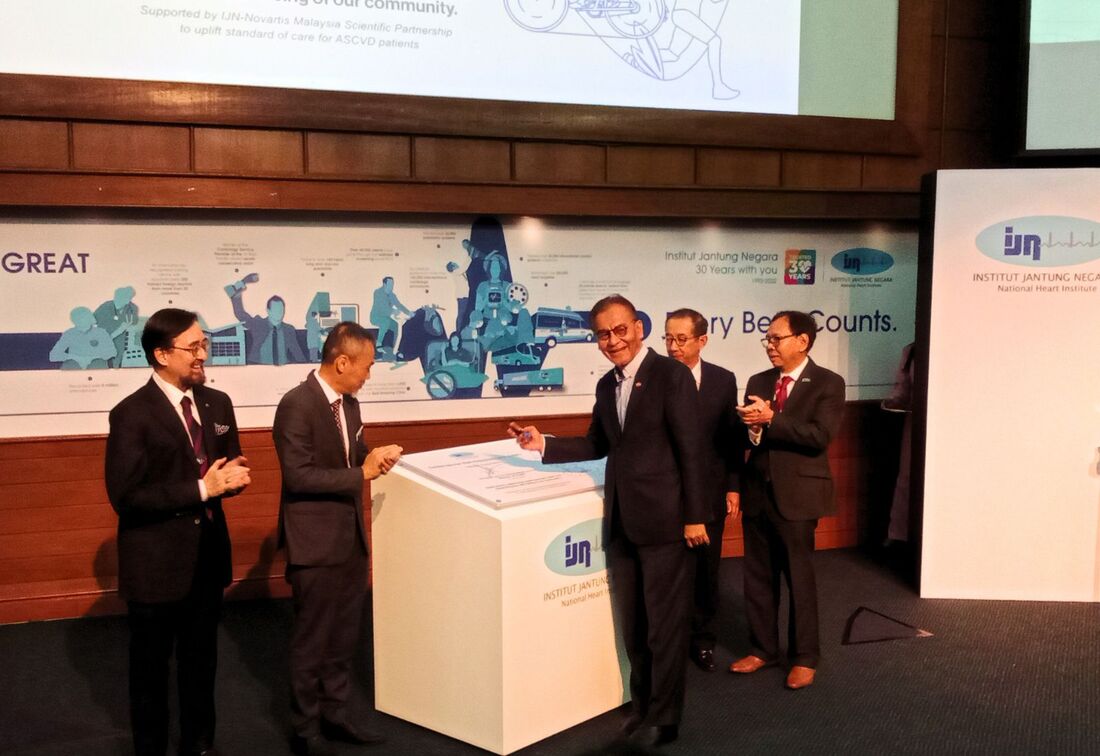
National Heart Institute (IJN) expands Cardiovascular Risk Reduction Clinic (CRRC)Patient-based clinical community model aims to create a scalable approach
|

|
Public-private partnerships in healthcare: Malaysia's future trends and modelsAddressing pandemic preparedness, medical equipment leasing, research commercialization and transparent drug policies
|
|
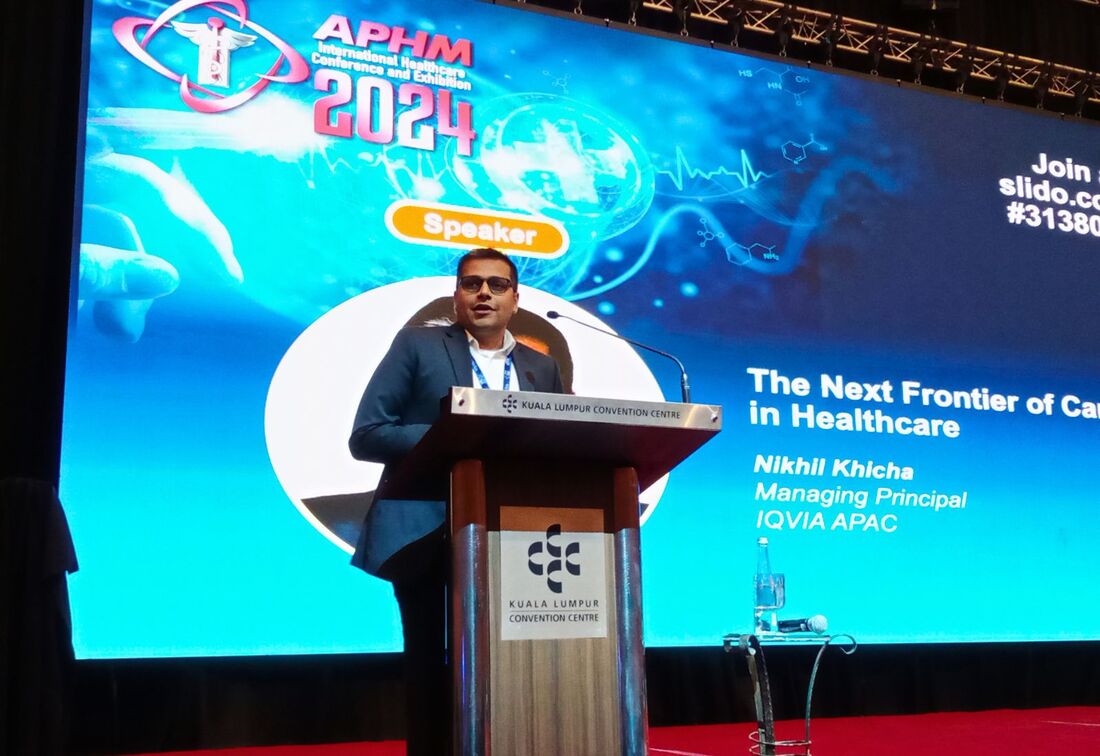
The next frontier of care delivery in healthcareTackling overflowing hospitals, elderly care demands, and digital innovations to shape the future of patient care
|
|
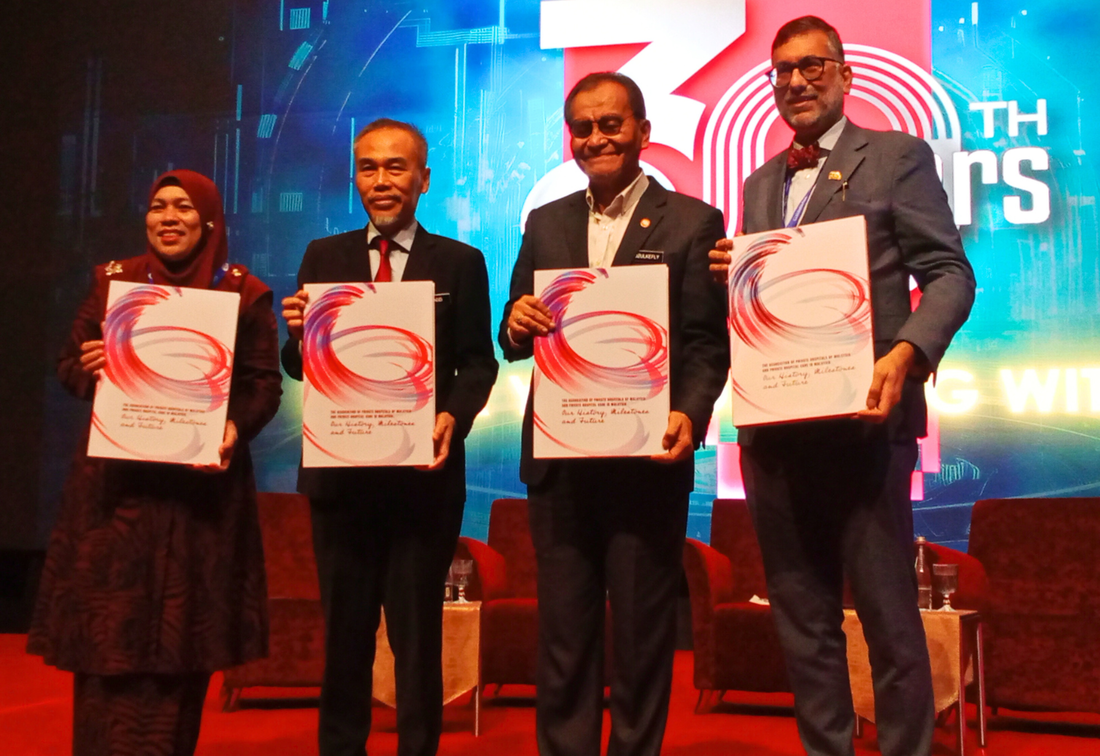
Advancing healthcare: Association of Private Hospitals Malaysia (APHM)'s milestone and future directionsAddressing the nurse shortage in healthcare: A call for extended amnesty and systemic reform
|

|
KL Wellness City allocates RM25 million to combat nursing shortageGuaranteed five years of employment
|

|
IHH Healthcare Malaysia champions solar power adoption across its entire hospital network17 hospitals in the network will shift to solar energy by 2025
|
|
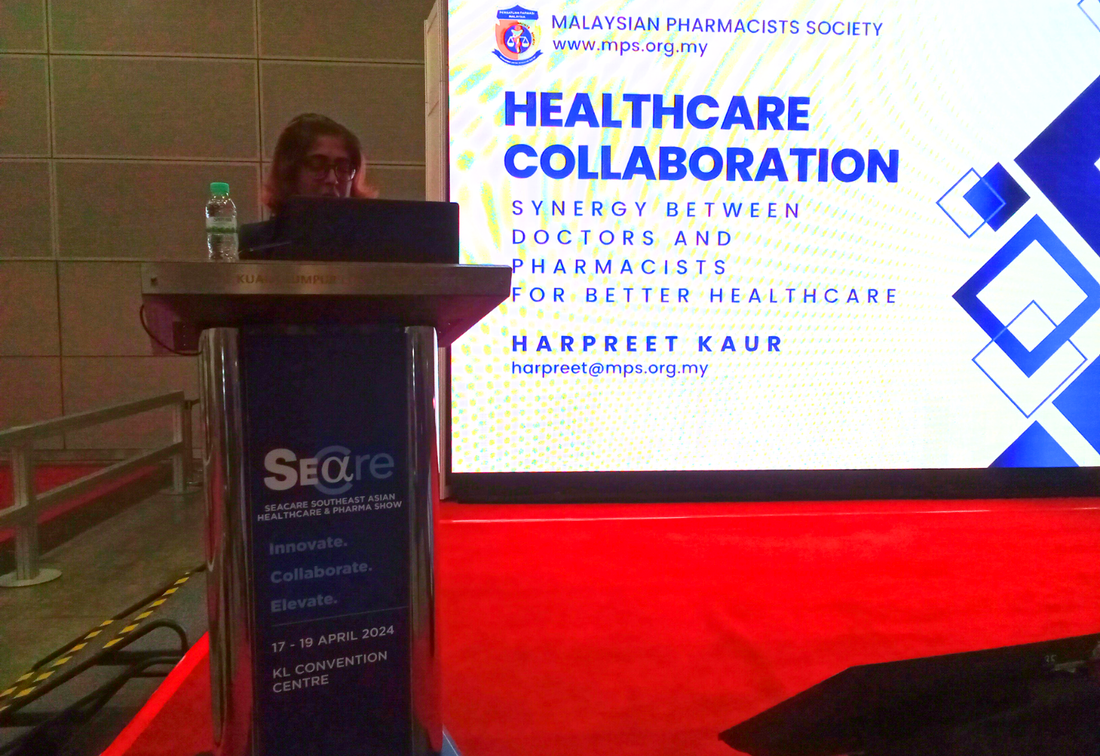
Harnessing synergy for enhanced healthcare delivery: Vital collaboration between doctors and pharmacists |

|
Innovative business models revolutionizing private healthcare deliveryExploring healthcare opportunities: Six areas for startup involvement
|

|
Southeast Asian Healthcare & Pharma Show (SEACARE) draws strong participation, highlights industry advancementsPartnerships drive 30 million ringgit in potential sales
|

|
FOMEMA pledges RM300,000 towards vulnerable communities during RamadanRecent iftar events unite 4 charity homes and 51 students
|

|
Healthcare tourism: Malaysia's ascension in the global arenaHealthcare hub with USD 54.39B growth
|

|
The Lim dynasty: Nurturing 46 doctors across generations in PenangA journey of sacrifice, determination and medical triumph
|

|
Navigating monsoon season: Health impacts and safety precautionsReflecting on the impact of Taman Sri Muda floods
|

|
SEACARE 2024: A Gateway to Southeast Asia's healthcare and pharmaceutical industryUniting global industry players for growth and collaboration
|
|
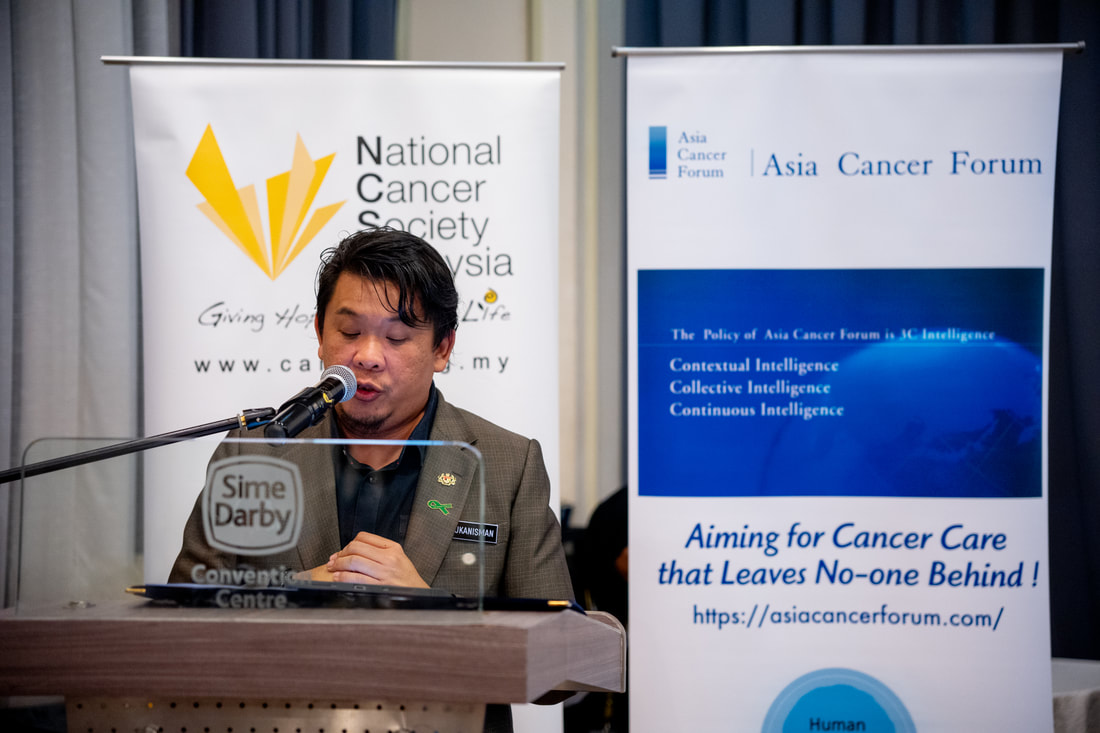
National Cancer Society Malaysia (NCSM) launches digital libraryFirst cancer digital library in four languages
|
|
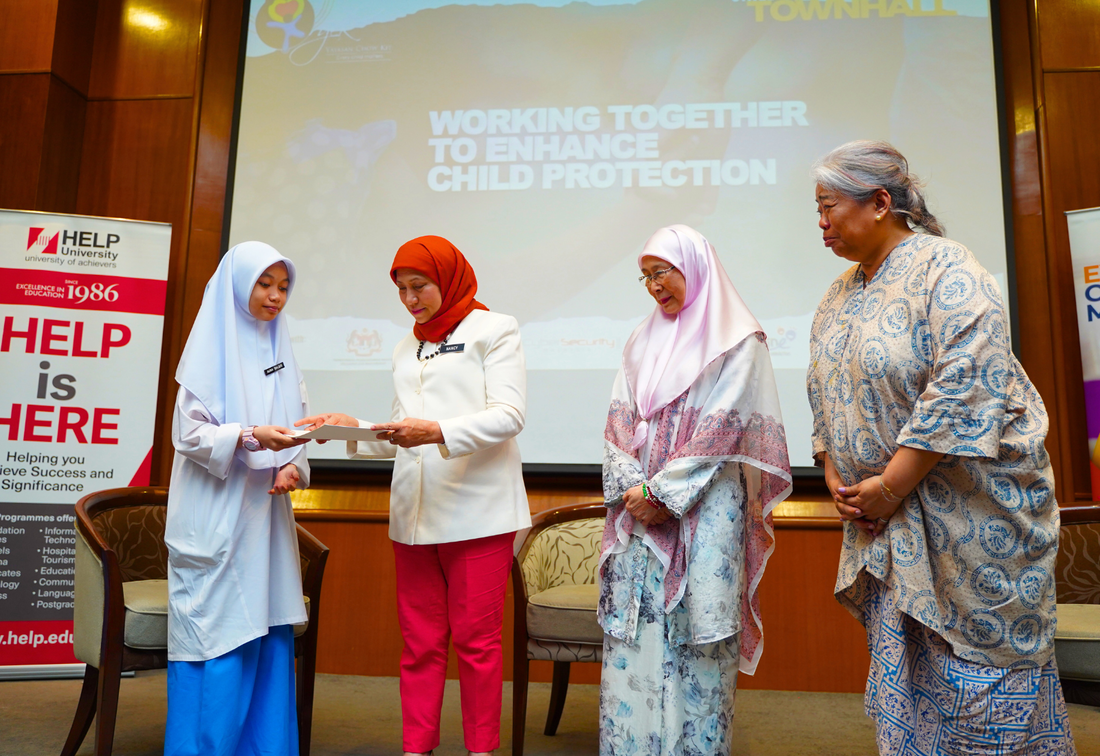
Yayasan Chow Kit leads discourse on child protection onlineDriving policy change and advocacy, collaborating to shield children from abuse and exploitation.
|

|
Join the healthcare revolution at Future Healthcare Asia 2024Explore the latest innovations and strategies that are redefining healthcare
|