Anti-aging breakthroughs: How safe and effective are metformin, NAD+, rapalogs, and resveratrol?September 30, 2024

|
ADVERTISEMENT |
Aging has long been perceived as an inevitable, unstoppable process. From a societal viewpoint, the concept of aging typically revolves around the outward appearance—wrinkles, graying hair, and other visible signs of growing older. However, modern scientific understanding has shifted this perception, revealing that the external aging process is merely a reflection of internal cellular changes. In order to explore how to slow down aging and maintain a higher quality of life as we grow older, we must first understand what aging truly is from both a biological and medical perspective.
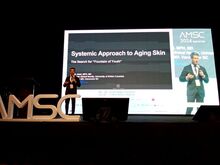
Why do we age? Philosophical, spiritual, or scientific? Aging is a complex, multifaceted process influenced by various factors, including genetics, oxidative stress, and mitochondrial damage. Multiple theories attempt to explain why we age, ranging from philosophical and spiritual to hard scientific perspectives. Among the most prominent scientific theories is the damage accumulation theory, which attributes aging to gradual damage at the cellular level caused by free radicals, also known as Reactive Oxygen Species (ROS). Dr Arash Jalali (pix), founder of One Clinic in Vancouver, Canada, emphasizes that while preventative measures are important, they will only take us so far. This he said while presenting on the ‘Systemic Approach to Anti-Aging’ at the Aesthetic Medicine & Surgery Conference & Exhibition (AMSC). "To improve our quality of life, both diagnostic tools and repair mechanisms are essential," he explains. "The challenge is no longer just about living longer, but about living better." This dual focus on both quantity and quality of life forms the cornerstone of modern anti-aging medicine. Aging: Natural, but not unstoppable Aging is fundamentally a cellular and molecular issue. One key aspect is the reduced capacity of our immune systems over time, a process known as "immunosenescence." Simultaneously, chronic low-grade inflammation, termed "inflammaging," increases. Together, these factors accelerate the aging process and contribute to age-related diseases. One of the most promising areas of research in combating the negative effects of aging is understanding and leveraging autophagy. Autophagy is a cellular recycling mechanism in which cells break down damaged components to maintain homeostasis and promote survival, especially during nutrient scarcity. "Autophagy allows cells to refresh themselves rather than die from hyperfunction," says Dr Arash. "This process, however, declines as we age, but it can be improved through caloric restriction." Caloric restriction and intermittent fasting: The keys to longevity Caloric restriction and intermittent fasting are two dietary interventions that have been shown to positively influence the aging process. These practices reduce inflammatory markers, improve cardiovascular health, and positively affect hormonal balances. Several studies show that caloric restriction can decrease levels of TNF-A (a pro-inflammatory cytokine), improve lipid panels, and slow the pace of biological aging. Similarly, intermittent fasting has been found to improve body composition, reduce blood pressure, and lower the risk of atherosclerotic cardiovascular disease. Caloric restriction has also been linked to improved thyroid function and increased levels of parathyroid hormone (PTH), while intermittent fasting has been shown to reduce levels of the pro-aging amino acid methionine. Overall, both methods appear to support anti-aging by influencing key metabolic pathways and reducing inflammation. Metformin: An anti-aging breakthrough? Metformin, a drug traditionally used to treat Type 2 diabetes, has emerged as a potential anti-aging therapy. According to Dr Arash, metformin works by targeting mitochondria, where it reduces oxidative phosphorylation and slows cellular aging by modulating key metabolic pathways. "Metformin up-regulates catabolic processes while down-regulating anabolic ones," Dr Arash explains. This shift in metabolic focus helps to inhibit the mTORC1 pathway, which plays a significant role in cellular aging. Early evidence from trials such as the MILES trial suggests that metformin can indeed alter gene expression in ways that may extend lifespan. The Targeting Aging with Metformin (TAME) trial is a larger, multicenter, placebo-controlled study that aims to enroll 3,000 individuals aged 65-79. The trial will test whether metformin can delay the onset of age-related diseases such as heart disease, stroke, and cognitive decline. Should the results prove successful, metformin could mark the first step in treating aging as a modifiable risk factor. NAD+ and NMN: Cellular fuels for longevity Another promising avenue in anti-aging medicine revolves around NAD+ (nicotinamide adenine dinucleotide), a molecule that plays a crucial role in various cellular processes, including DNA repair and immune function. NAD+ levels decline with age, contributing to tissue dysfunction and age-related diseases. "NAD+ is central to many processes," Dr Arash explains, "but getting it into the mitochondria is difficult, which limits its effectiveness." NMN (nicotinamide mononucleotide), a precursor to NAD+, has shown promise in animal studies, where supplementation increases NAD+ levels, promoting longer healthspans and lifespans. However, it remains unclear whether these benefits translate to humans. A recent clinical trial involving 80 healthy adults indicated that NMN supplementation can safely raise NAD+ levels, but further studies are needed to fully understand its impact on human aging. Rapalogs: A new class of anti-aging drugs Rapalogs, a class of drugs that inhibit mTOR (mechanistic target of rapamycin), offer another potential anti-aging solution. Rapamycin, originally used to prevent organ transplant rejection, has been shown to inhibit the overactivation of cellular processes associated with aging. Dr Arash notes that rapamycin may have particularly strong anti-aging effects in women, as studies have indicated that females may respond better to rapamycin than males at equivalent doses. Unlike caloric restriction, which becomes less effective when started later in life, rapamycin has demonstrated significant lifespan extension even when administered to older mice. This could have implications for human aging, although the immunosuppressive effects of rapalogs remain a concern. However, low-dose and intermittent rapamycin treatments may reduce these risks while promoting immune function and delaying age-related diseases. Resveratrol: The anti-aging power of nature Resveratrol, a compound found in grapes, peanuts, and berries, has garnered attention for its potential anti-aging effects. It mimics the benefits of caloric restriction and can regulate key pathways involved in aging, including mTOR. Clinical trials have shown that resveratrol can reduce systemic inflammation, improve cardiovascular health, and modulate blood glucose levels. However, resveratrol's effects appear to be dose-dependent, with higher doses potentially activating the mTOR pathway rather than inhibiting it. Dr Arash advises caution, noting that doses between 250mg and 500mg seem to be both safe and effective, while higher doses could trigger adverse effects similar to those seen with rapamycin. Vitamin D: More than just a bone health supplement Vitamin D, often associated with bone health, also plays a key role in modulating the immune system and reducing inflammation. Research has shown that adequate levels of vitamin D can help counteract the inflammatory processes linked to skin aging, while also supporting skin barrier repair. Vitamin D has shown particular promise in autoimmune conditions such as psoriasis and psoriasis-associated osteoporosis. Caffeine: A surprising ally in longevity Coffee, a beloved beverage worldwide, may offer more than just a morning pick-me-up. Research published in The New England Journal of Medicine found that coffee consumption is inversely associated with all-cause mortality. Another study from 2022 indicated that drinking two to three cups of coffee daily was linked to a longer lifespan and a lower risk of cardiovascular disease. Despite advancements in understanding aging, regulatory agencies have yet to list it as an indication for medical intervention. However, promising therapies like metformin, rapalogs, NMN, and resveratrol are paving the way toward treating aging as a modifiable risk factor. As the upcoming TAME trial seeks to determine whether metformin can reduce age-related diseases, the results could reshape our understanding of aging and longevity. |
EXPLORE FURTHER

|
Empowering families through the Lasting Power of AttorneyLPA doesn't affect fara’id, valid only during lifetime
|

|
Next of kin: Determining authority in critical healthcare decisionsShould it be the family, healthcare providers, or a legal representative?
|

|
Malaysia faces aging crisis: Urgent call for Mental Capacity Act
Supporting our aging population with essential legal and medical frameworks
|

|
Retirement reimagined: Navigating entrepreneurship in your golden years |

|
Addressing aged care needs: Issues and concerns |

|
Preventing bedsores in bedridden senior citizensPreventive measure to significantly reduce the likelihood of bedsores developing
|