Are governments failing in the fight against cancer? NGOs' role to fill the gapsAugust 2, 2024

Noncommunicable diseases (NCDs) are a growing global health crisis, contributing to an estimated 71% of all deaths worldwide. Cardiovascular diseases, cancers, chronic respiratory diseases, diabetes, and mental health conditions are the main culprits, with cancer alone accounting for 31% of premature deaths among people aged 30 to 70 years from 2000 to 2019. Cancer's growing prevalence calls for multifaceted approaches to prevention and treatment, as outlined by the Sustainable Development Goal (SDG) target 3.4, which aims to reduce premature mortality from NCDs by one-third by 2030.
While governments and healthcare systems play pivotal roles in cancer control, non-governmental organizations (NGOs) are critical partners in bridging care gaps, advocating for better patient outcomes, and supporting vulnerable populations. Their roles encompass prevention, treatment, early diagnosis, and palliative care. The determinants of cancer and their impact Understanding cancer risk factors is key to formulating an effective prevention strategy. Dr Ros Suzanna Bustamam, Clinical Oncologist at Hospital Kuala Lumpur and Head of Oncology Specialty at the Ministry of Health, emphasized the need to first comprehend the determinants of cancer before transforming cancer care systems. “Majority of cancers, globally and in Malaysia, are linked to modifiable risk factors,” Dr Ros stated at the National Cancer Congress Malaysia. Tobacco use remains the leading cause, contributing to 20% of global cancer cases and 25% of cancer-related deaths. Other modifiable factors include viral infections such as Hepatitis B or C, human papillomavirus (HPV), unhealthy diets, lack of physical activity, and obesity. Genetic factors, which are non-modifiable, contribute to only 5-10% of cancer cases. Malaysia faces a high burden of NCDs, with nearly half a million adults suffering from conditions like diabetes, hypertension, and obesity. These conditions complicate cancer management and increase cancer risk, making it essential to tackle NCDs to reduce cancer incidence. Malaysia’s cancer landscape In Malaysia, cancer continues to pose a significant public health challenge. According to the National Cancer Registry, established in 2007, the overall number of new cancer cases increased by 46.5% between 2017 and 2021, with a total of 168,823 cases reported from 2007 to 2021. Females have consistently shown a higher incidence rate, with 121 cases per 100,000 women compared to 107 per 100,000 men diagnosed between 2017 and 2021. The lifetime risk of developing cancer in Malaysia has also increased. For both genders, the risk is now 1 in 8, up from 1 in 10 for males and 1 in 9 for females. The top five most common cancers in Malaysia—breast, colorectal, lung, lymphoma, and liver—account for more than half (52.8%) of all cancer cases. Among these, colorectal and lung cancers affect both genders, while liver cancer, which was previously ranked 8th, has risen to the 5th most common cancer, largely due to metabolic diseases. Cervical cancer, on the other hand, has seen a decline in incidence, moving down to the 11th spot, attributed to vaccination and screening programs. Dr Ros noted that the vaccination of schoolgirls against HPV, which began in 2010, may not yet show its full impact on reducing cervical cancer cases. Global commitments to cancer control To address the growing cancer burden, the World Health Organization (WHO) has launched several global initiatives aimed at reducing cancer incidence and mortality. These include:
Malaysia’s national strategic plan for cancer control In line with WHO's efforts, Malaysia has developed its own National Strategic Plan for Cancer Control (NSPCC) 2021-2025. This plan aims to downstage cancers such as breast, colorectal, and cervical cancers at the time of diagnosis by 25% and improve the 5-year survival rate for these cancers by 2030. It also sets a target to reduce premature mortality from cancer by one-third. The NSPCC is supported by several more specific plans, including the:
Together, these documents outline the steps Malaysia is taking to strengthen its cancer care infrastructure. The role of NGOs in cancer care Non-governmental organizations play a crucial role in supporting cancer patients and filling gaps in care where government resources may fall short. Their efforts span from prevention and early detection to survivorship and palliative care. Dr Ros emphasized the importance of NGOs in transforming the health system for cancer care: “Cancer is everyone’s business.” NGOs have the flexibility to work closely with communities, raise awareness about cancer risk factors, and provide screening and diagnostic services, particularly in underserved areas. Key areas for NGO involvement Prevention and screening: NGOs can play a pivotal role in educating the public about cancer risk factors, promoting healthy lifestyle choices, and providing access to screening programs for lung, liver, and prostate cancers. Research and advocacy: NGOs can help drive cancer research by collaborating with universities and healthcare institutions. By advocating for policy changes, they can influence national cancer strategies and push for improved cancer services. Support for survivors and palliative care: Cancer NGOs often provide essential services for survivors, including counseling, financial support, and access to rehabilitation services. Palliative care, which is crucial for improving the quality of life for terminally ill patients, is another area where NGOs make significant contributions. Community empowerment: NGOs are uniquely positioned to engage local communities, improve cancer literacy, and empower individuals to take charge of their health through screening and early detection programs. Moving forward: Strengthening partnerships As Malaysia looks to the future of cancer care, it is clear that the Ministry of Health (MOH) cannot work in isolation. The success of the National Strategic Plan for Cancer Control hinges on strong collaborations between the government, NGOs, private sector, academia, and local communities. Public-private partnerships are already making strides in providing cancer treatment, but more needs to be done to integrate digital health technologies and artificial intelligence into cancer control programs. The way forward includes not only closing the care gaps in cancer treatment but also enhancing capacity through training and research. As NGOs continue to advocate for better cancer care, their role in the cancer care continuum becomes ever more vital. |
EXPLORE FURTHER
|
What is cancer and how does it spread?The differences between cancer cells and normal cells
|
|
Cancer: Different types and originsCategories that initiate within particular cell types.
|

|
What signs could signal cancer?Recognizing subtle clues from your body
|
|
Comprehensive guide to cancer screening: What you can expectNavigating initial screening apprehensions
|
|
How often should you be screened for cancer?Pre-cancer awareness and proper screening is vital
|
|
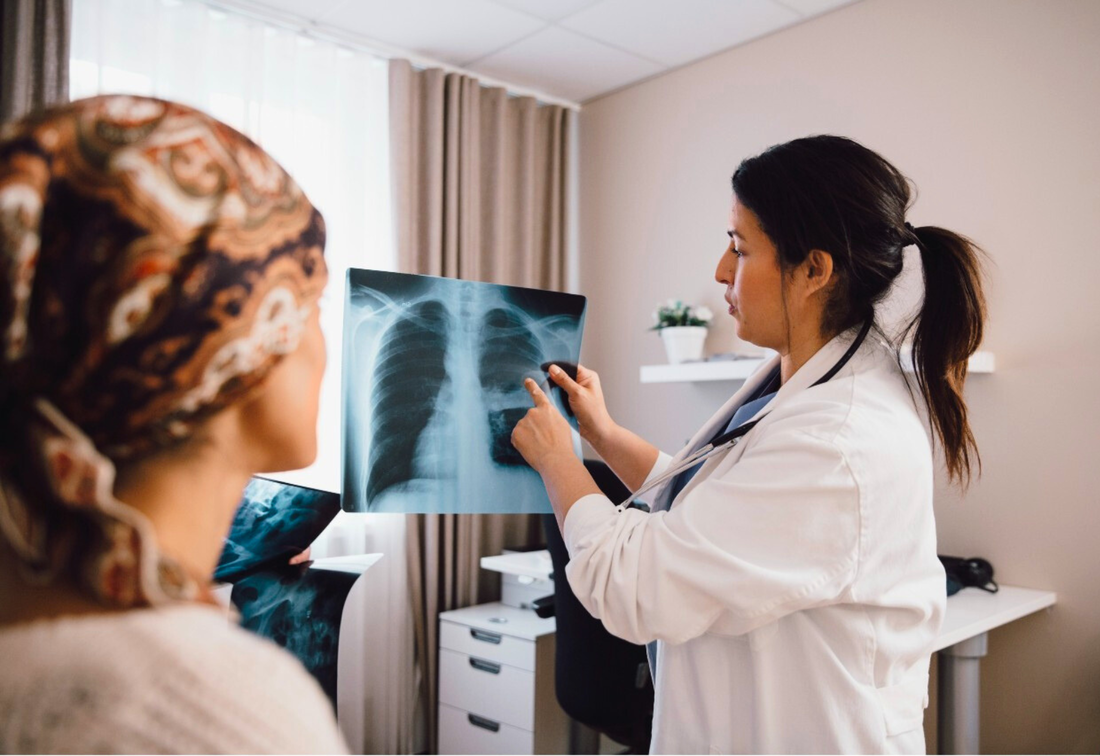
Cancer diagnostics: Tests and results explainedMaking sense of lab test, imaging test and biopsy
|

|
Understanding childhood cancer and government treatment facilitiesLeukemia, CNS Tumors, and Lymphomas
|
|
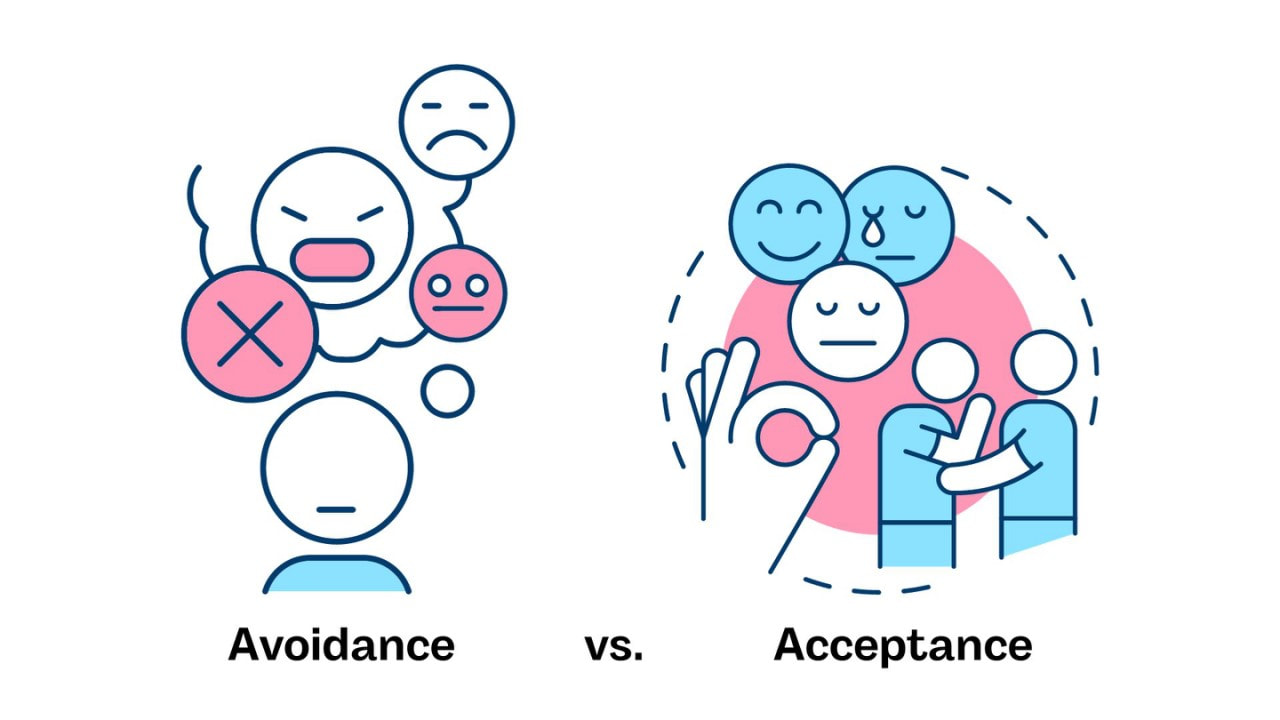
Navigating emotional turbulence: From avoidance to acceptance in the face of cancerExperiential avoidance to heightened distress.
|
|
|

|
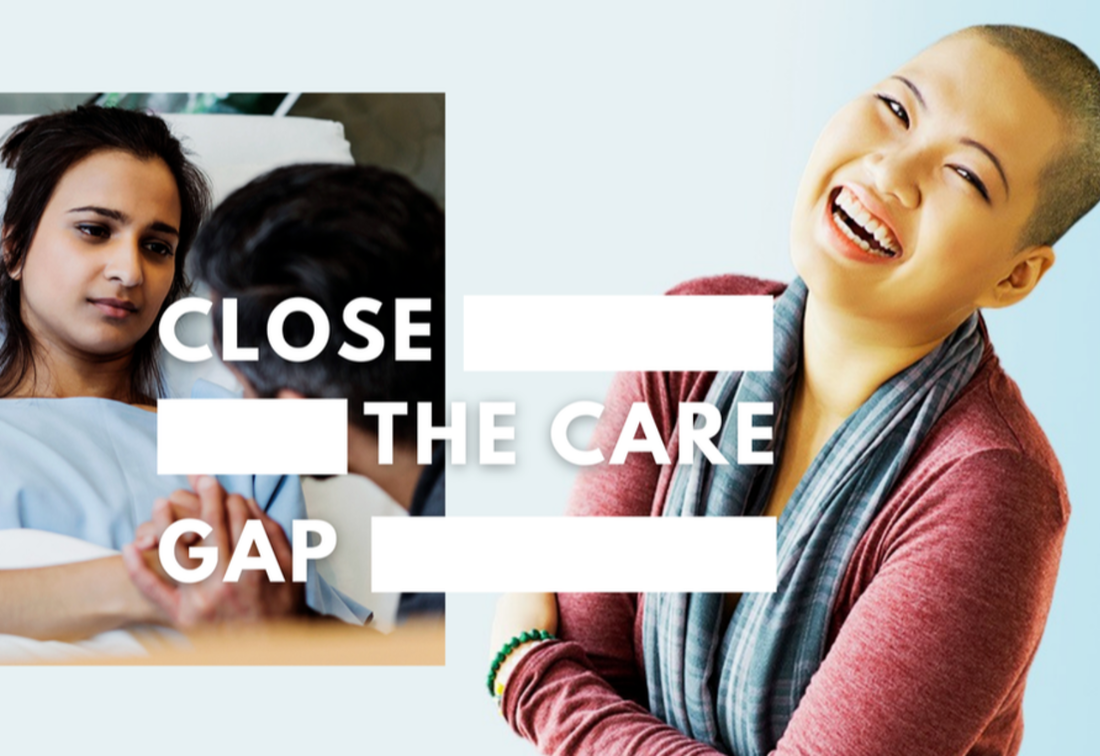
World Cancer Day: What will you do to close the care gap?Social factors or lifestyle can negatively impact the quality of cancer care.
|
|
Fighting cervical cancer in the age of COVID-19Second most common cancer despite it being a preventable disease.
|

|
Below 15 exposed to sexual intercourse, at higher risk of developing cervical cancerOral contraceptives...
|

|
No alternative therapy, magic pill for cure, says breast cancer survivor"There wasn't any pain nor any changes to my breast, but I could feel the lump."
|
|
Evolving treatment for metastatic colorectal cancerColorectal cancer is the most common cancer diagnosed in men
|

|
Locks of Hope: Empowering cancer patients with confidence and supportFree human-hair pieces to individuals battling cancer.
|
|
Chemotherapy: Balancing efficacy and minimizing side effectsFor decades, chemotherapy has remained a cornerstone in cancer treatment...
|
|
PET scans in prostate cancer detectionThe risk of prostate cancer increases with age, and it often coexists with Benign Prostatic Hyperplasia (BPH)
|

|
Triumph over adversity: Stories of courage in the face of cancerThree inspiring individuals defying the odds
|

|
Can you be fired for having cancer?National Human Resource Centre says no provision in Employment Act for cancer
|
|
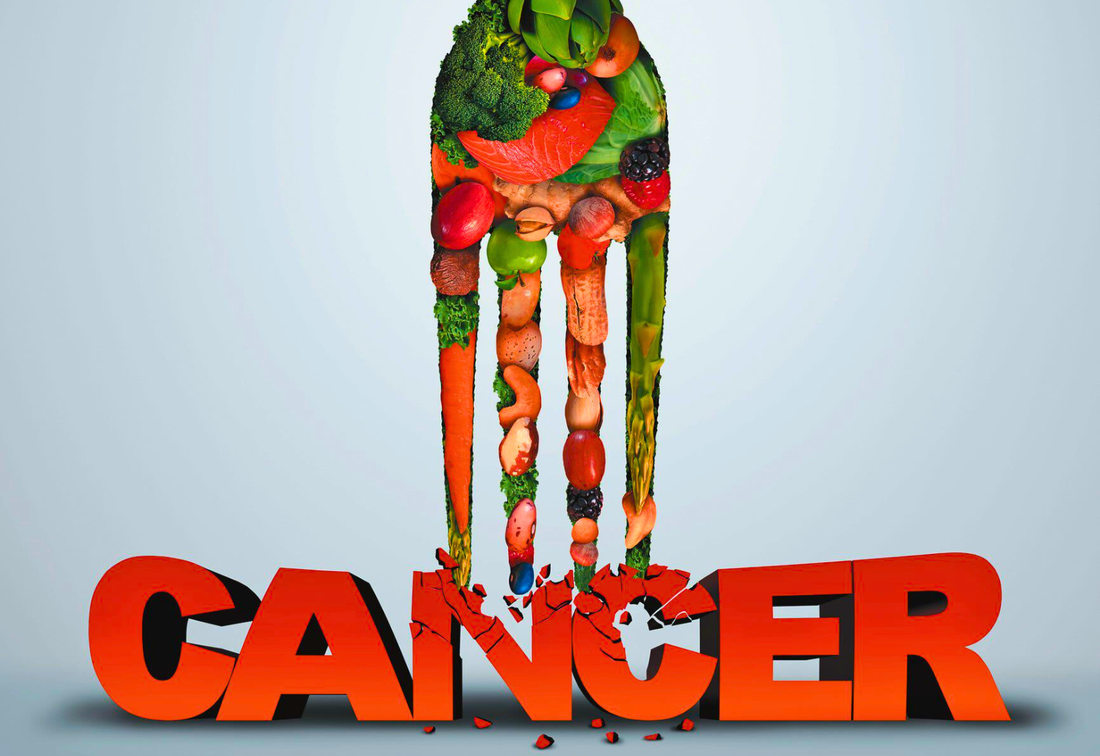
Nutrition vs. dot-com doctors: Debunking cancer mythsCancer preventive tips from a nutritionist
|
|
How often should you be screened for cancer?Pre-cancer awareness and proper screening is vital.
|

|
Cigarettes cause bladder cancerSmokers are four times more likely to develop bladder cancer than non-smokers.
|

|
Malaysia's cancer landscape: A closer look at incidence, trends and risk factorsChanging cancer incidence patterns in Malaysia
|