HEALTHCARE TODAY
  • IN THE SPOTLIGHT
    • MALAYSIA HEALTH & POLICY NEWS
    • GLOBAL HEALTH NEWS
  • HEALTH CONDITIONS
    • ANTIMICROBIAL RESISTANCE
    • ARTHRITIS
    • ASTHMA
    • BACK PAIN
    • BRAIN DISORDERS
    • BREAST CANCER
    • CANCER
    • CARDIOVASCULAR DISEASE
    • CERVICAL CANCER
    • CORONAVIRUS DISEASE (COVID-19)
    • DEMENTIA
    • DENGUE
    • DENTAL PROBLEMS
    • DIABETES
    • DRUG ABUSE
    • EAR, NOSE AND THROAT
    • ECZEMA
    • EPILEPSY
    • EYE
    • FIBROIDS
    • GASTROINTESTINAL DISEASES
    • INFLUENZA (FLU)
    • HEADACHES & MIGRAINES
    • HEPATITIS
    • HIV & AIDS
    • JOINT PAIN
    • KIDNEY DISEASE
    • LUNG CANCER
    • LUPUS
    • MELASMA
    • MENTAL HEALTH
    • MOUTH-AND-TEETH
    • OBESITY
    • OSTEOPOROSIS
    • OVARIAN DYSFUNCTION: UNDERSTANDING PREMATURE OVARIAN FAILURE, POLYCYSTIC OVARY DISEASE AND INFERTILITY
    • SEXUAL & REPRODUCTIVE HEALTH
    • SKIN CONDITIONS
    • SLEEP
    • STROKE
  • DISABILITIES & SPECIAL ABILITIES
    • ADHD and ADD
    • AUTISM SPECTRUM DISORDER
    • BLINDNESS & VISION IMPAIRMENT
    • CEREBRAL PALSY
    • DOWN SYNDROME
    • RARE DISEASES
  • NURSING RESOURCES
  • DIGITAL HEALTH
  • HEALTH PRODUCTS & SERVICES
  • RELATIONSHIPS
  • FAMILY HEALTH & PARENTING
  • EMPOWERING WOMEN
  • MEN'S WELLNESS
  • GOLDEN YEARS
  • ACTIVE LIFE HUB
  • NUTRITION
  • COMPLIMENTARY MEDICINE
  • HUMANITARIAN & COMMUNITY HEALTH
  • AMBULANCE AND FIRST AID GUIDE
  • Community clinics/ Klinik Komuniti
  • Government Dental Clinics / Klinik Pergigian Kerajaan
  • ABOUT US

Improving communication with older adults: Compassionate strategies matter

September 30, 2024
healthcaretoday, presbycusis, elderly care, communication, aging population, hearing loss, dementia, mental health, isolation, patient engagement, empathetic communication, strokes, caregiving, caregivers, active aging, Taylors University,

ADVERTISEMENT

healthcaretoday, presbycusis, elderly care, communication, aging population, hearing loss, dementia, mental health, isolation, patient engagement, empathetic communication, strokes, caregiving, caregivers, active aging, Taylors University,
By Dr Mugilarasi Arasarethinam,
Hub leader, Active Ageing Impact Lab
Taylor’s University
​​​​​​​​During my medical school days, I witnessed a bus conductor yelling at an older man who was sitting behind me, not at all perturbed by the sound and instead fascinated with the view out the window. 

"Ticket. Ticket!" the conductor shouted, his body language clearly demonstrating irritation. The older man paid his fare with shaking hands and voice, only to not be acknowledged by the conductor.

As the conductor walked away, the older man shyly gestured to me that he was hard of hearing in one ear, jokingly saying, “When you get old, everything is lost.”

The pain in his voice during that incident ingrained the importance of communication forever.

Communication is more than mere sharing and exchanging ideas; it’s about fostering connection and meeting fundamental human needs like belonging and acceptance.

Being heard and understood play extra importance in creating a sense of existence and functionality. Healthy communication fosters good engagement, while a compromised one neglecting communication struggles in older adults may cause loneliness, leading to mental stress, anxiety, and depression. These communication challenges often accompany other age-related conditions that limit movement and affect cognition, verbalising, or vision.
​
Awareness of the aging global population’s challenges often centres on physical and mental health issues like dementia and strokes, falls and fractures. Unfortunately, awareness of the communication aspect is often overlooked. Despite the natural limitations of aging, the need for connection remains crucial, especially in older age. Customised, compassioned communication is essential for promoting active aging.

Recognising these challenges and their impact on communication is the first step, followed by compassion. Effective communication is not about eloquence but about bridging connections. Identifying individual communication needs is vital for meaningful interactions.

What are the challenges of communication in older adults?
Aging brings about natural changes in hearing, word retrieval, and speech processing, affecting communication. While some language skills remain intact, comprehension and recall may decline. According to Malaysia's 2005 National Ear and Hearing Disorders Survey, hearing loss is common among adults above 60 years, with almost 70 percent experiencing age-related hearing loss, known as presbycusis. And delayed seeking of help for hearing issues can lead to irreversible communication damage.

Research suggests a link between hearing loss and dementia risk, highlighting the importance of addressing hearing impairment. Additionally, cognitive decline, including dementia, affects memory, language skills, and engagement, further complicating communication in old age. 

According to the World Health Organization, around 8.5 percent of older adults, a number close to 260000 people in Malaysia, are living with dementia. These health challenges can worsen physical and psychological well-being, leading to depression and social isolation.

It's crucial for individuals without impairments to understand these issues and adapt communication to support older adults. Nurturing communication is key to overcoming these challenges and fostering connection.

Striking the balance
When interacting with older individuals, finding the right balance is crucial. While we may aim to be accommodating, it's important not to overdo it. Over-accommodation can inadvertently reinforce negative stereotypes about aging, leading to patronising attitudes and hindering meaningful interaction.

Assuming that older adults are inherently limited in their communication abilities can be harmful, as it may undervalue their skills and confidence. This can have adverse effects on their socio-cognitive functions.

Over-accommodation often leads to what's known as elderly or second baby talk, characterised by exaggerated prosody resembling how adults communicate with children. This modified way of speaking can distort communication and foster negative stereotypes.

Conversely, under-accommodation, or ignoring the complexities of aging, can lead to ineffective communication and leave older individuals feeling socially isolated and excluded. This lack of sensitivity may result in misunderstanding and exploitation, impacting their self-esteem and sense of adequacy.

Compassionate communication
In medical school, doctors are taught to deal with these age-related challenges in communication.

However, it is also very vital that the public is educated to be aware of this sensitive issue and master the art of communicating with older people. There are a few things that are important to keep in mind when we deal with an older adult. I call them the rules of the ABCDE model of compassionate communication.

Assume not
  • Don't assume any difficulties or challenges but be sensitive to them.

Be present
  • Be connected during the interaction. Look at their face when you are talking. Make sure they can feel your engagement, too.
  • Be mindful of any evident and subtle causes that affect communication. If they are using a hearing aid, make sure it is turned on and adjusted to the correct volume; make sure they are using the visual aid if needed. 
  • Be patient and give them time to process and construct their reply.

Calibrate often
  • Don't start shouting or speaking too loudly that you might startle them, and at the same time, don't belittle them by speaking in baby language. Assess the situation before initiating and adjusting and readjust as the conversation progresses.
  • Remember, communication is never just about spoken words. Nonverbal communication plays a vital role, too. Be conscious of your tone, loudness, body language, smile, and touch if appropriate.

Dignity at all costs
  • Age is just a number. The body may undergo wear and tear, but behind all that, there exists a human who still craves respect, love, engagement, and acceptance.
  • Aging does not strip one of their demands for dignity and respect.
  • Always remember they, too, have self-esteem.

Engage with empathy
  • Be patient and give them time to process and construct their reply.
  • Remember, aging is not a disability.
  • Any disabilities associated with ageing does not define the person.
  • Their disabilities should not limit your compassion and connection.

Pacing forward
As we progress towards an older adult-dominated population by 2030, we must start educating ourselves to deal with this population and be sensitive to their challenges. 

Communication is more than just a tool of conversation. This skill must be learned to foster nurturing connections that can heal at a soul level. Human connection is the essence of human civilisation. How we treat our previous generation paves the way for a future generation where we will be the care receivers. Communicate not just carefully but with much care.

EXPLORE FURTHER


Picture

Empowering families through the Lasting Power of Attorney

​LPA doesn't affect fara’id, valid only during lifetime
Picture

Next of kin: Determining authority in critical healthcare decisions​

​Should it be the family, healthcare providers, or a legal representative?
Picture

Malaysia faces aging crisis: Urgent call for Mental Capacity Act

​Supporting our aging population with essential legal and medical frameworks
Picture

Retirement reimagined: Navigating entrepreneurship in your golden years

Picture

Addressing aged care needs: Issues and concerns

Picture

Preventing bedsores in bedridden senior citizens

​Preventive measure to significantly reduce the likelihood of bedsores developing
Picture

​​Fun activities for bedridden seniors and seniors with limited mobility

Picture

Older persons urged to take vaccination to prevent from flu

Picture

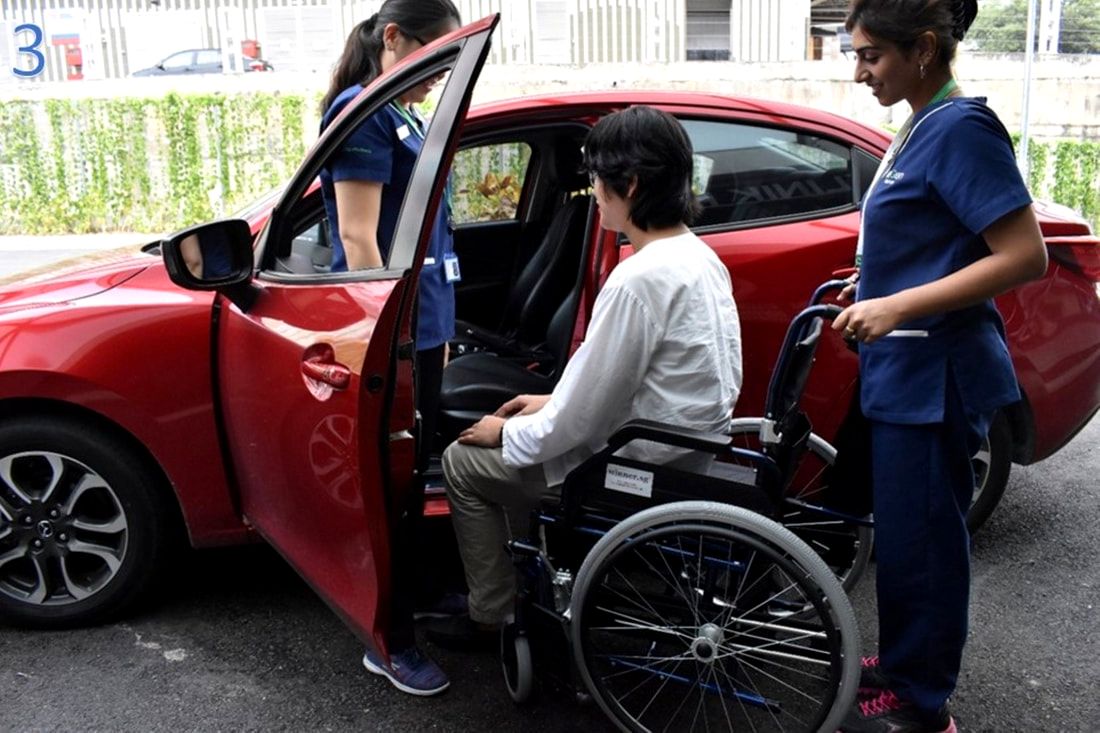
The art of wheelchair to car transfer for caregivers

Picture

A caregiver's guide to senior bathing and hygiene

Picture

Senior care: Differentiating day and night diapers for optimal comfort

Picture

When the need arises to obtain a hospital bed for use in your home

Picture

Safeguarding senior citizens from the insidious threat of influenza

Picture

​Are you getting shorter as you age?

Picture

​Disrupted sleep and daytime sleepiness in older adults

Picture

Dry mouth not part of ageing, says dentist

Picture

​The risk of getting shingles increases as you age

Picture

Tinnitus: The bothersome perception of noise in older adults

Picture

​Growing strong with age: How you can experience life-changing benefits with regular exercise

Picture

​Getting over retirement guilt

Picture

​Recent innovations in healthy ageing

Caring for elderly people with orthopaedic problems

AN ULTIMATE GUIDE TO MOBILITY AIDS FOR THE ELDERLY AND THE DISABLED

Picture

​Elder abuse and neglect for family members and carers

MORE ON GOLDEN YEARS
Picture
Get our wellness newsletter
​Filter out the noise and nurture your inbox with health and wellness advice that’s inclusive and rooted in medical expertise.
Subscribe to Newsletter
About Us
©2018 - 2026 ©Healthcare Today Media Network Sdn Bhd.
All rights reserved. The material in this site is intended to be of general information use and is not intended to constitute medical advice, probable diagnosis or recommended treatments.          
  • IN THE SPOTLIGHT
    • MALAYSIA HEALTH & POLICY NEWS
    • GLOBAL HEALTH NEWS
  • HEALTH CONDITIONS
    • ANTIMICROBIAL RESISTANCE
    • ARTHRITIS
    • ASTHMA
    • BACK PAIN
    • BRAIN DISORDERS
    • BREAST CANCER
    • CANCER
    • CARDIOVASCULAR DISEASE
    • CERVICAL CANCER
    • CORONAVIRUS DISEASE (COVID-19)
    • DEMENTIA
    • DENGUE
    • DENTAL PROBLEMS
    • DIABETES
    • DRUG ABUSE
    • EAR, NOSE AND THROAT
    • ECZEMA
    • EPILEPSY
    • EYE
    • FIBROIDS
    • GASTROINTESTINAL DISEASES
    • INFLUENZA (FLU)
    • HEADACHES & MIGRAINES
    • HEPATITIS
    • HIV & AIDS
    • JOINT PAIN
    • KIDNEY DISEASE
    • LUNG CANCER
    • LUPUS
    • MELASMA
    • MENTAL HEALTH
    • MOUTH-AND-TEETH
    • OBESITY
    • OSTEOPOROSIS
    • OVARIAN DYSFUNCTION: UNDERSTANDING PREMATURE OVARIAN FAILURE, POLYCYSTIC OVARY DISEASE AND INFERTILITY
    • SEXUAL & REPRODUCTIVE HEALTH
    • SKIN CONDITIONS
    • SLEEP
    • STROKE
  • DISABILITIES & SPECIAL ABILITIES
    • ADHD and ADD
    • AUTISM SPECTRUM DISORDER
    • BLINDNESS & VISION IMPAIRMENT
    • CEREBRAL PALSY
    • DOWN SYNDROME
    • RARE DISEASES
  • NURSING RESOURCES
  • DIGITAL HEALTH
  • HEALTH PRODUCTS & SERVICES
  • RELATIONSHIPS
  • FAMILY HEALTH & PARENTING
  • EMPOWERING WOMEN
  • MEN'S WELLNESS
  • GOLDEN YEARS
  • ACTIVE LIFE HUB
  • NUTRITION
  • COMPLIMENTARY MEDICINE
  • HUMANITARIAN & COMMUNITY HEALTH
  • AMBULANCE AND FIRST AID GUIDE
  • Community clinics/ Klinik Komuniti
  • Government Dental Clinics / Klinik Pergigian Kerajaan
  • ABOUT US