HEALTHCARE TODAY
  • IN THE SPOTLIGHT
    • MALAYSIA HEALTH & POLICY NEWS
    • GLOBAL HEALTH NEWS
  • HEALTH CONDITIONS
    • ANTIMICROBIAL RESISTANCE
    • ARTHRITIS
    • ASTHMA
    • BACK PAIN
    • BRAIN DISORDERS
    • BREAST CANCER
    • CANCER
    • CARDIOVASCULAR DISEASE
    • CERVICAL CANCER
    • CORONAVIRUS DISEASE (COVID-19)
    • DEMENTIA
    • DENGUE
    • DENTAL PROBLEMS
    • DIABETES
    • DRUG ABUSE
    • EAR, NOSE AND THROAT
    • ECZEMA
    • EPILEPSY
    • EYE
    • FIBROIDS
    • GASTROINTESTINAL DISEASES
    • INFLUENZA (FLU)
    • HEADACHES & MIGRAINES
    • HEPATITIS
    • HIV & AIDS
    • JOINT PAIN
    • KIDNEY DISEASE
    • LUNG CANCER
    • LUPUS
    • MELASMA
    • MENTAL HEALTH
    • MOUTH-AND-TEETH
    • OBESITY
    • OSTEOPOROSIS
    • OVARIAN DYSFUNCTION: UNDERSTANDING PREMATURE OVARIAN FAILURE, POLYCYSTIC OVARY DISEASE AND INFERTILITY
    • SEXUAL & REPRODUCTIVE HEALTH
    • SKIN CONDITIONS
    • SLEEP
    • STROKE
  • DISABILITIES & SPECIAL ABILITIES
    • ADHD and ADD
    • AUTISM SPECTRUM DISORDER
    • BLINDNESS & VISION IMPAIRMENT
    • CEREBRAL PALSY
    • DOWN SYNDROME
    • RARE DISEASES
  • NURSING RESOURCES
  • DIGITAL HEALTH
  • HEALTH PRODUCTS & SERVICES
  • RELATIONSHIPS
  • FAMILY HEALTH & PARENTING
  • EMPOWERING WOMEN
  • MEN'S WELLNESS
  • GOLDEN YEARS
  • ACTIVE LIFE HUB
  • NUTRITION
  • COMPLIMENTARY MEDICINE
  • HUMANITARIAN & COMMUNITY HEALTH
  • AMBULANCE AND FIRST AID GUIDE
  • Community clinics/ Klinik Komuniti
  • Government Dental Clinics / Klinik Pergigian Kerajaan
  • ABOUT US

​​​Empowering voices: The strategic role of advocacy in cancer care

September 16, 2024
healthcaretoday, National Cancer Society Malaysia, Cancer Care Advocacy, health advocacy, patient empowerment, healthcare policy, cancer treatment, public health, health equity, stakeholder engagement, support and awareness, policy, quality of life, palliative care, patient support, cancer survivorship, research funding, healthcare access, advocacy skills, holistic care, patient rights, empower communities, cancer survivor, cancer care,
​​​​​​​Advocacy is the strategic process of managing and sharing knowledge to influence policies and practices that affect lives. Its goal is to create meaningful, evidence-based changes that impact individuals and communities. Advocacy plays a pivotal role in mobilizing efforts to address issues, particularly in health care, where it can drive improvements in treatment, access, and public awareness. This is especially true for cancer care, where patient voices need to be amplified to foster better health outcomes.

“There are several key points to consider when talking about advocacy,” states Dr Feisul Idzwan Mustapha (pix), Public Health Specialist and Director of the Perak State Health Department, at the National Cancer Congress Malaysia, during his session titled "Difficult conversations: How to advocate for people living with cancer." He continues, “First, advocacy must be intentional. It's about more than just raising awareness; it’s about changing behaviors, beliefs, and ultimately influencing the policies that shape lives.”

The need for advocacy in cancer care
Advocacy is vital for many reasons, especially in cancer care. It ensures that individuals living with cancer receive the care, support, and resources they need. But what exactly are we advocating for?

Dr Feisul outlines several key areas where advocacy is critical:
  • Improving access to care and treatment: Ensuring equitable access to quality healthcare services.
  • Support and awareness: Raising awareness about emotional, psychological, and medical support options for both patients and caregivers.
  • Research and funding: Promoting research participation and securing funding for advancements in cancer treatments.
  • Policy changes and legal rights: Advocating for improved policies and legal protections for cancer patients.
  • Quality of life: Ensuring holistic care, including access to palliative care for those nearing the end of life.
  • Education and empowerment: Empowering patients and communities with knowledge, support, and advocacy tools.

Dr Feisul’s personal connection to cancer advocacy adds a poignant touch to his work. “My mother has survived breast cancer twice, my sister was diagnosed young but survived, and sadly, my maternal aunt passed away from the disease. These experiences drive my commitment to advocating for better cancer care,” he shares.

Points for advocacy in cancer care
Cancer care extends across a continuum, from prevention and early detection to treatment, rehabilitation, and palliative care. Advocacy efforts can be focused at various stages of this continuum. Some key advocacy areas include:
  • Access to care and treatment: Ensuring patients receive timely and adequate care.
  • Support and awareness: Increasing understanding of available support systems.
  • Research and funding: Driving advancements through clinical trials and funding initiatives.
  • Policy change and legal protections: Advocating for laws that protect patients' rights.
  • Quality of life improvements: Focusing on palliative and holistic care.
  • Education and empowerment: Equipping communities and patients with the knowledge to advocate for themselves.

Kingdon’s multiple streams model for advocacy
Dr Feisul references 'Kingdon’s multiple stream model' to explain how advocacy works at different levels of influence. This model highlights three interconnected streams that contribute to successful advocacy efforts:
  • Problem stream: Identifying the issue—what is the burden of the disease?
  • Policy stream: Proposing viable solutions to address the issue.
  • Politics stream: Engaging with decision-makers and stakeholders to support the proposed solutions.

Even when the problem is well defined, without the right political commitment, it can be difficult to implement change. Advocacy ensures that all streams align to create a "window of opportunity" for policy shifts.

Engaging stakeholders in cancer advocacy
Successful advocacy requires understanding and engaging with the right stakeholders—individuals or groups who can affect or be affected by policy changes. Stakeholders in the healthcare system include:
  • Decision-makers: Those with the formal authority to enact policy changes.
  • Influencers: Individuals or groups who can shape the opinions and actions of decision-makers.

A comprehensive stakeholder analysis is crucial to identify key players and assess their needs, influence, and positions. As Dr Feisul explains, “Politics isn't just about those at the top; it also includes the constituents at the bottom. Politicians respond to the concerns of their constituents, so advocacy must be a top-down and bottom-up effort.”

Mapping stakeholders: The influence-interest grid
To ensure effective advocacy, it is important to categorize stakeholders based on their level of influence and interest:
  • Key players: Stakeholders with high influence and interest who must be closely managed.
  • Meet their needs: Engage and consult with stakeholders who have a high interest but moderate influence.
  • Keep informed: Communicate with those who may have lower influence but are still valuable allies.
  • Low priority: Stakeholders with minimal interest or influence should still be monitored but require less engagement.

By mapping stakeholders, advocates can tailor their approach and engage both supporters and skeptics effectively. Dr Feisul emphasizes that advocacy isn’t just about winning over friends. “It’s important to keep your enemies close. Understand the motivations of those who may oppose you and engage them differently.”

Crafting a compelling advocacy message
Advocacy efforts rely on clear, compelling communication. An effective message is:
  • Brief and focused
  • Solution-oriented
  • Supported by evidence
  • Tailored to the decision-maker’s interests
  • Presented in non-technical language
  • Optimistic and hopeful
  • Concludes with a specific call to action

According to Dr Feisul, a well-structured advocacy message includes four key elements:
  • Defining the issue
  • Explaining why the decision-maker should care
  • Presenting a solution
  • Requesting specific actions

The essential skills of an advocate
Advocacy is a skill that takes time to develop. Several important qualities for advocates, include:
  • Passion and commitment
  • Strong communication skills—both written and verbal
  • Teamwork
  • Negotiation and leadership abilities
  • Understanding of protocols and behavior within specific contexts
  • Ability to create and translate evidence into persuasive messages

Dr Feisul concludes that advocacy is a crucial skill for healthcare providers and professionals working with cancer patients. It requires dedication, emotional intelligence, and the ability to understand stakeholders’ needs and motivations.

Driving change in cancer care
To bring about real change, it’s important to acknowledge that decisions are not made solely based on evidence. Emotions, political factors, and timing play a large role in decision-making processes. Creating a "window of opportunity" involves aligning the problem, policy, and political streams.

“For cancer patients, it’s not just about raising their issues but understanding the wider context,” explains Dr Feisul. “Decision-makers are human too, and it’s vital to address their concerns while advocating for cancer care improvements.”

Advocacy in cancer care is more than a set of skills—it’s a strategic process that requires empathy, negotiation, and a deep understanding of both the issues and the stakeholders involved. By mobilizing communities, creating compelling messages, and engaging stakeholders effectively, we can make lasting changes that improve the lives of people living with cancer.

ADVERTISEMENT

EXPLORE FURTHER

Picture

Are governments failing in the fight against cancer? NGOs' role to fill the gaps

NGOs' involvement extends beyond mere awareness, focusing on research and advocacy
Picture

Cancer in the Global South: Tackling challenges in a post-pandemic world

Can developing countries overcome the severe limitations in cancer care? 
Picture

​Multi-cancer early detection (MCED) tests and the SPOT-MAS breakthrough

​Emerging technologies in liquid biopsy and multi-cancer detection offer new hope for reducing cancer mortality
Picture

Rising cancer incidence in Malaysia: Addressing the growing burden through a multisectoral approach

​Urgent need for integrated strategies across sectors to manage and mitigate the disease’s impact
Picture

What is cancer and how does it spread?

​The differences between cancer cells and normal cells
Picture

Cancer: Different types and origins

​Categories that initiate within particular cell types.
Picture

What signs could signal cancer?

​Recognizing subtle clues from your body
Picture

Comprehensive guide to cancer screening: What you can expect

​Navigating initial screening apprehensions
Picture

How often should you be screened for cancer?

​Pre-cancer awareness and proper screening is vital
Picture

Cancer diagnostics: Tests and results explained

​Making sense of lab test, imaging test and biopsy
Picture

Understanding childhood cancer and government treatment facilities

​​Leukemia, CNS Tumors, and Lymphomas
Picture

Navigating emotional turbulence: From avoidance to acceptance in the face of cancer

Experiential avoidance to heightened distress.
healthcaretoday, Fibromyxoid Sarcoma, soft tissue cancer, tumour, cancerous tumour, cancer fighter, cancer survivor, cancer awareness

Overcoming fibromyxoid sarcoma against all odds

Neng would feel tickles down his throat, with itching and frequent coughs...
healthcaretoday, Union for International Cancer Control, Cancer, cancer survivors, Cancer care, cancer prevention, cancer diagnosis, cancer cures, fighting cancer, cancer survivor, cancer awarenes

How immunotherapy can better train your immune system when battling with cancer

​Tackling the diagnosis for better outcomes
healthcaretoday, World Cancer Day, Cancer, cancer survivors, Cancer care, cancer prevention, cancer diagnosis, cancer cures, National Cancer Society Malaysia, NCSM

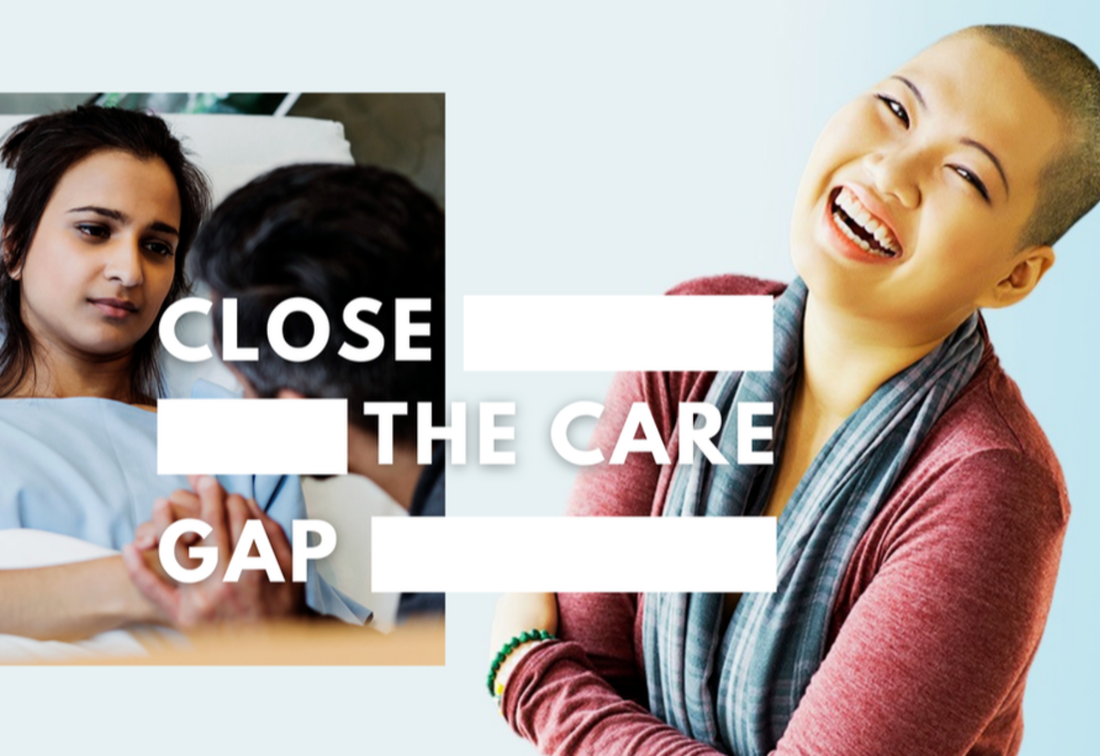
World Cancer Day: What will you do to close the care gap?

Social factors or lifestyle can negatively impact the quality of cancer care.
Picture

Fighting cervical cancer in the age of COVID-19

Second most common cancer despite it being a preventable disease.
healthcaretoday, cervical cancer, Dr Ragu Shan, Assunta hospital, teenage sex, oral contraceptives and cervical cancer, cancer awareness, fighting cancer, cancer survivor

​Below 15 exposed to sexual intercourse, at higher risk of developing cervical cancer

Oral contraceptives...
healthcaretoday, HER2-Positive breast cancer, breast cancer, Mazwin Mohd Radli, breast cancer survivor, cancer survivor, fighting cancer, cancer awareness,

No alternative therapy, magic pill for cure, says breast cancer survivor

​"There wasn't any pain nor any changes to my breast, but I could feel the lump."
Healthcaretoday, colorectal cancer, Gleneagles Penang, Metastatic colorectal cancer, common cancer, cancer survivor, cancer fighter, constipation, diarrhoea, abdominal discomfort, weight loss, bloody stool

​Evolving treatment for metastatic colorectal cancer

Colorectal cancer is the most common cancer diagnosed in men
healthcaretoday, Cancer, Chemotherapy, Cancer treatment, Locks of Hope, Cancer Awareness, Cancer Survivor, Battling Cancer, Fighting Cancer, hair donation, human hair wigs

Locks of Hope: Empowering cancer patients with confidence and support

Free human-hair pieces to individuals battling cancer.
Picture

​Chemotherapy: Balancing efficacy and minimizing side effects

​​​For decades, chemotherapy has remained a cornerstone in cancer treatment...
Picture

​PET scans in prostate cancer detection

​​The risk of prostate cancer increases with age, and it often coexists with Benign Prostatic Hyperplasia (BPH)
Picture

Triumph over adversity: Stories of courage in the face of cancer

​Three inspiring individuals defying the odds
healthcaretoday, Cancer, cancer fighter, cancer survivor, fighting cancer, cancer and employment, Fired, terminated, employment, ACTION, ASEAN Costs in Oncology, cancer patients terminated from employment, National Human Resource Centre (NHRC),

Can you be fired for having cancer?

​National Human Resource Centre says no provision in Employment Act for cancer 
Picture

Nutrition vs. dot-com doctors: Debunking cancer myths

​Cancer preventive tips from a nutritionist
Picture

How often should you be screened for cancer?

Pre-cancer awareness and proper screening is vital. ​
Picture

Cigarettes cause bladder cancer

​Smokers are four times more likely to develop bladder cancer than non-smokers.
Picture

Malaysia's cancer landscape: A closer look at incidence, trends and risk factors

​Changing cancer incidence patterns in Malaysia
MORE ON CANCER
Picture
Get our wellness newsletter
​Filter out the noise and nurture your inbox with health and wellness advice that’s inclusive and rooted in medical expertise.
Subscribe to Newsletter
About Us
©2018 - 2026 ©Healthcare Today Media Network Sdn Bhd.
All rights reserved. The material in this site is intended to be of general information use and is not intended to constitute medical advice, probable diagnosis or recommended treatments.          
  • IN THE SPOTLIGHT
    • MALAYSIA HEALTH & POLICY NEWS
    • GLOBAL HEALTH NEWS
  • HEALTH CONDITIONS
    • ANTIMICROBIAL RESISTANCE
    • ARTHRITIS
    • ASTHMA
    • BACK PAIN
    • BRAIN DISORDERS
    • BREAST CANCER
    • CANCER
    • CARDIOVASCULAR DISEASE
    • CERVICAL CANCER
    • CORONAVIRUS DISEASE (COVID-19)
    • DEMENTIA
    • DENGUE
    • DENTAL PROBLEMS
    • DIABETES
    • DRUG ABUSE
    • EAR, NOSE AND THROAT
    • ECZEMA
    • EPILEPSY
    • EYE
    • FIBROIDS
    • GASTROINTESTINAL DISEASES
    • INFLUENZA (FLU)
    • HEADACHES & MIGRAINES
    • HEPATITIS
    • HIV & AIDS
    • JOINT PAIN
    • KIDNEY DISEASE
    • LUNG CANCER
    • LUPUS
    • MELASMA
    • MENTAL HEALTH
    • MOUTH-AND-TEETH
    • OBESITY
    • OSTEOPOROSIS
    • OVARIAN DYSFUNCTION: UNDERSTANDING PREMATURE OVARIAN FAILURE, POLYCYSTIC OVARY DISEASE AND INFERTILITY
    • SEXUAL & REPRODUCTIVE HEALTH
    • SKIN CONDITIONS
    • SLEEP
    • STROKE
  • DISABILITIES & SPECIAL ABILITIES
    • ADHD and ADD
    • AUTISM SPECTRUM DISORDER
    • BLINDNESS & VISION IMPAIRMENT
    • CEREBRAL PALSY
    • DOWN SYNDROME
    • RARE DISEASES
  • NURSING RESOURCES
  • DIGITAL HEALTH
  • HEALTH PRODUCTS & SERVICES
  • RELATIONSHIPS
  • FAMILY HEALTH & PARENTING
  • EMPOWERING WOMEN
  • MEN'S WELLNESS
  • GOLDEN YEARS
  • ACTIVE LIFE HUB
  • NUTRITION
  • COMPLIMENTARY MEDICINE
  • HUMANITARIAN & COMMUNITY HEALTH
  • AMBULANCE AND FIRST AID GUIDE
  • Community clinics/ Klinik Komuniti
  • Government Dental Clinics / Klinik Pergigian Kerajaan
  • ABOUT US