Growing older, growing closer: Rediscovering intimacy in life’s later chapters
April 14, 2026

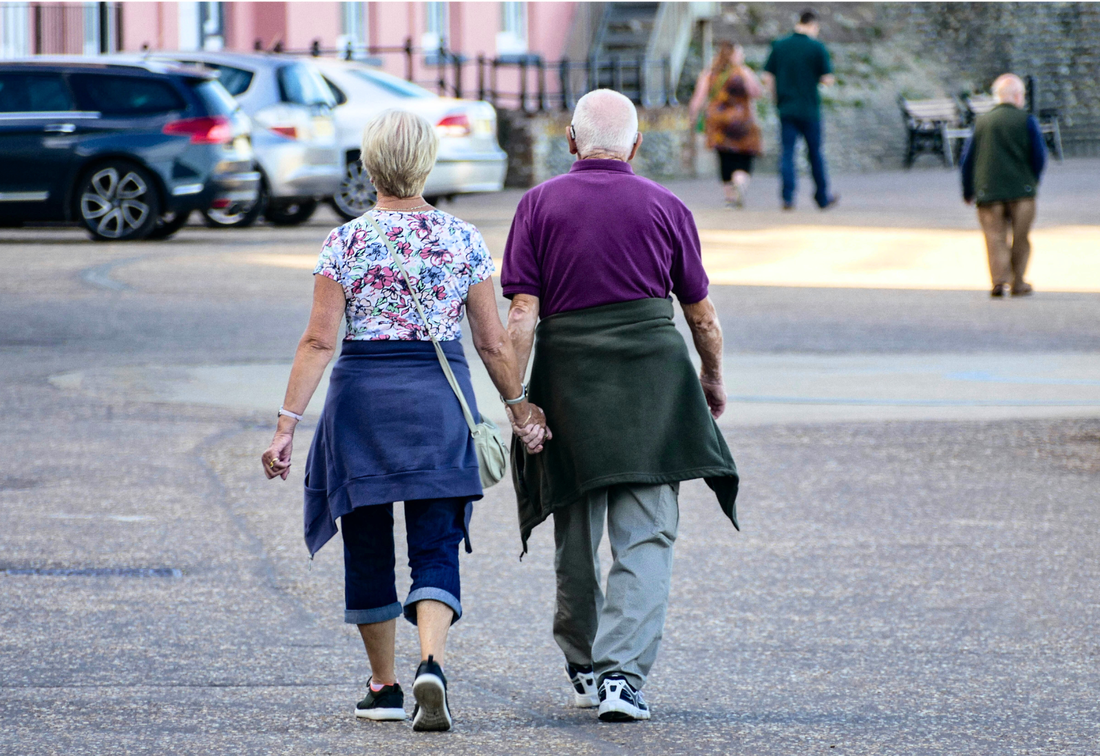
For many older couples, gentle touch becomes a powerful language of love—offering reassurance, security, warmth, and companionship, proving intimacy and connection often speak louder than words.
When people talk about healthy aging, the conversation usually revolves around cholesterol levels, blood pressure, daily walks in the park, or remembering to take the right medications at the right time. But there is one topic that often gets quietly pushed aside—sometimes whispered about, sometimes ignored completely.
Sex. In many cultures, including in Malaysia, sexuality among older adults is still considered a rather uncomfortable subject. The unspoken assumption seems to be that once people reach their senior years, romance quietly packs its bags and moves out. Reality, however, tells a very different story. Human beings remain emotional and physical creatures throughout their entire lives. The desire for affection, companionship, warmth, and closeness does not disappear simply because a few wrinkles appear or hair turns silver. In fact, many seniors will tell you—often with a mischievous smile—that emotional intimacy becomes even more meaningful with age. Intimacy does not retire One of the most fundamental needs of human beings is connection. We seek it through friendships, family bonds, and romantic relationships. Physical intimacy is simply one of the many ways people express affection and emotional closeness. Sexuality is a natural part of being human. Sex is a natural instinct and men and women are natural sexual beings. For younger couples, sexual relationships are often closely linked with procreation. Starting a family, raising children, and building a life together naturally take centre stage. But once children grow up and family life stabilizes, something interesting begins to happen. Couples begin to rediscover each other. Without the chaos of homework, school runs, and teenage drama, many couples find that intimacy evolves into something more relaxed, more affectionate, and sometimes even more playful. Sex is no longer just about reproduction. It becomes about connection, comfort, companionship, and shared joy. The evolution of intimacy As couples age, the nature of their intimacy often changes. While younger relationships may focus heavily on penetrative sex, older couples frequently discover that intimacy can take many different forms.
Touch is one of the most powerful forms of communication between two people who care deeply for each other. It conveys reassurance, love, security, and companionship—sometimes far more effectively than words. And for many older couples, this softer, more affectionate style of closeness becomes deeply satisfying. When health gets in the way Of course, aging does bring certain physical challenges. As people grow older, health issues may begin to affect sexual function. Conditions such as diabetes, heart disease, hormonal changes, and reduced circulation can influence sexual performance or desire. Physical disabilities and chronic illnesses may also make certain forms of intimacy more difficult. For men, one of the most common concerns is erectile dysfunction (ED), which becomes increasingly common with age. For women, hormonal changes after menopause can lead to reduced libido, vaginal dryness, or discomfort during intercourse. Yet despite how common these challenges are, many couples choose to suffer in silence. Why? Embarrassment. In societies where discussing sexuality is already considered sensitive, older individuals may fear being judged if they raise the topic. Some worry they may be labelled as inappropriate, or worse, as “lecherous old men or women.” So instead of seeking help, they simply say nothing. The quiet truth: Help exists The irony is that modern medicine offers many effective treatments for age-related sexual health concerns. For men experiencing erectile dysfunction, medical evaluation can identify the underlying cause. Treatment options often focus on improving blood flow to the penile muscles. Medications such as Viagra, Cialis, and Levitra may be prescribed if they are safe for the patient. In cases where hormonal imbalance contributes to erectile dysfunction, hormone replacement therapy may also be considered. Some individuals also explore herbal supplements such as extracts derived from Tongkat Ali, traditionally used in Southeast Asia to support vitality and reduce stress. When properly standardized and medically supervised, certain formulations may contribute to overall wellness. However, medical guidance is always essential before beginning any treatment. Women face challenges too Sexual health in older women is often discussed even less frequently than in men. Yet women also experience physiological changes with aging. After menopause, declining levels of estrogen can lead to vaginal dryness and discomfort during intercourse. In some cases, women may also experience a decrease in sexual desire. Fortunately, solutions exist here as well. Hormone therapies combining estrogen and testosterone may help restore libido for some women under medical supervision. In addition, simple measures such as water-based lubricants can significantly improve comfort and enjoyment. But perhaps the most important step is open communication—both with healthcare professionals and with one’s partner. The forgotten language of touch Sometimes the most powerful solution requires no medication at all. It simply involves rediscovering the language of touch. Many couples mistakenly believe that sexual intimacy must always revolve around intercourse. When physical challenges arise, they may conclude that their intimate lives are over. But intimacy can be expressed in countless ways.
Even playful teasing and laughter between long-time partners can create emotional closeness that feels just as meaningful. For many older couples, these forms of intimacy can be deeply satisfying—sometimes even more fulfilling than the rushed encounters of their younger years. Breaking the silence Perhaps the biggest challenge surrounding sexual health in older adults is not biology. It is silence. Society often treats aging as if it marks the end of romance, passion, and physical affection. But the truth is that emotional connection does not come with an expiry date. Older couples still love. They still flirt. They still laugh together. And yes, they still enjoy intimacy. Recognizing this reality is an important step toward healthier aging. Love ages well Growing older does not mean giving up on intimacy. In fact, it may offer the opportunity to experience it in a richer, more meaningful way. Without the pressures of youth, many couples find that affection becomes gentler, deeper, and more patient. A touch lasts longer. A hug feels warmer. And sometimes, simply sitting together in comfortable silence becomes its own form of romance. As people age, they may realize that intimacy was never only about physical performance. It was always about connection. And that, thankfully, does not grow old. |

EXPLORE FURTHER

|
Aging smarter: How inflammation, metabolism, hormones decide longevity and healthA practical science-backed guide to reversing age promoters and extending healthy lifespan
|

|
Rewirement, not retirement: Redefining purpose, health, and connection after 60
Why staying healthy, connected, and purposeful matters more than ever in later life
|

|
Why your dreams and sleep matter more after sixtyIs feeling tired and low an inevitable part of aging?
|

|
OP-ED: Malaysia's aging revolution: From healthcare crisis to opportunity for dignityMaintain a failing hospital-centric model or build a compassionate new system that honors its elders?
|

|
Drug-drug interactions in the elderly: Uncovering the hidden dangers of prescription overloadOne in five older adults prescribed potentially inappropriate medication—raising concerns over safety, interactions, and fall risks
|
|
Men from mitochondria, women from telomeres: Ageing was never meant to be equalThe diverging paths of ageing and how we can foster a healthier ageing process
|

|
Unlocking active ageing beyond chronological yearsHow can we increase the health span years free from age-related diseases?
|

|
Palliative care: A vital support for our golden yearsThe growing need for specialized care in an aging population
|

|
Choosing the right nursing home: A crucial decisionUnderstanding needs and ensuring proper care for loved ones
|

|
Improving communication with older adults: Compassionate strategies matterEffective, empathetic communication reduces isolation in aging populations
|

|
Anti-aging breakthroughs: How safe and effective are metformin, NAD+, rapalogs, and resveratrol?
Delving into the science behind anti-aging therapies to extend lifespan
|

|
Unlocking employment potential: A path to active aging after retirementHow do older employees face bias from employers?
|

|
Empowering families through the Lasting Power of AttorneyLPA doesn't affect fara’id, valid only during lifetime
|

|
Next of kin: Determining authority in critical healthcare decisionsShould it be the family, healthcare providers, or a legal representative?
|

|
Malaysia faces aging crisis: Urgent call for Mental Capacity Act
Supporting our aging population with essential legal and medical frameworks
|

|
Retirement reimagined: Navigating entrepreneurship in your golden years |

|
Addressing aged care needs: Issues and concerns |

|
Preventing bedsores in bedridden senior citizensPreventive measure to significantly reduce the likelihood of bedsores developing
|

|
Fun activities for bedridden seniors and seniors with limited mobilityCheck out our list of activities to keep your loved ones happy and active
|

|
Older persons urged to take vaccination to prevent from fluImpact of flu on people with diabetes
|

|
The art of wheelchair to car transfer for caregiversGetting into and out of a car can be easily done with proper transfer technique
|

|
A caregiver's guide to senior bathing and hygieneTips for effective home care and cleaning
|

|
Senior care: Differentiating day and night diapers for optimal comfortThe differences between day and night diapers for seniors and how often diapers should be changed
|

|
When the need arises to obtain a hospital bed for use in your homeDistinguishing between hospital beds and adjustable beds
|

|
Safeguarding senior citizens from the insidious threat of influenzaTax exemption for flu vaccination from 2021
|

|
Are you getting shorter as you age?Rapid bone loss after menopause
|

|
Disrupted sleep and daytime sleepiness in older adultsA serious disorder in people aged over 65 years old
|

|
Dry mouth not part of ageing, says dentistXerostomia is particularly prevalent among older people
|

|
The risk of getting shingles increases as you ageOnce you’ve recovered from chickenpox, the virus continues to live in your nerve
|
|
Tinnitus: The bothersome perception of noise in older adultsRinging in your ears, involves a wide variety of noises
|

|
Growing strong with age: How you can experience life-changing benefits with regular exerciseImprove mental health and maintain independence
|

|
Getting over retirement guiltActionable steps for a brighter outlook
|

|
Recent innovations in healthy ageingProactive assessment and preventive regimens for optimal health
|

|
Elder abuse and neglect for family members and carersA Malaysian narrative
|