HEALTHCARE TODAY
  • IN THE SPOTLIGHT
    • MALAYSIA HEALTH & POLICY NEWS
    • GLOBAL HEALTH NEWS
  • HEALTH CONDITIONS
    • ANTIMICROBIAL RESISTANCE
    • ARTHRITIS
    • ASTHMA
    • BACK PAIN
    • BRAIN DISORDERS
    • BREAST CANCER
    • CANCER
    • CARDIOVASCULAR DISEASE
    • CERVICAL CANCER
    • CORONAVIRUS DISEASE (COVID-19)
    • DEMENTIA
    • DENGUE
    • DENTAL PROBLEMS
    • DIABETES
    • DRUG ABUSE
    • EAR, NOSE AND THROAT
    • ECZEMA
    • EPILEPSY
    • EYE
    • FIBROIDS
    • GASTROINTESTINAL DISEASES
    • GOUT
    • INFLUENZA (FLU)
    • HEADACHES & MIGRAINES
    • HEPATITIS
    • HIV & AIDS
    • JOINT PAIN
    • KIDNEY DISEASE
    • LUNG CANCER
    • LUPUS
    • MELASMA
    • MENTAL HEALTH
    • MOUTH-AND-TEETH
    • OBESITY
    • OSTEOPOROSIS
    • OVARIAN DYSFUNCTION: UNDERSTANDING PREMATURE OVARIAN FAILURE, POLYCYSTIC OVARY DISEASE AND INFERTILITY
    • SEXUAL & REPRODUCTIVE HEALTH
    • SKIN CONDITIONS
    • SLEEP
    • STROKE
  • DISABILITIES & SPECIAL ABILITIES
    • ADHD and ADD
    • AUTISM SPECTRUM DISORDER
    • BLINDNESS & VISION IMPAIRMENT
    • CEREBRAL PALSY
    • DOWN SYNDROME
    • RARE DISEASES
  • PALLIATIVE CARE
  • NURSING RESOURCES
  • DIGITAL HEALTH
  • HEALTH PRODUCTS & SERVICES
  • RELATIONSHIPS
  • FAMILY HEALTH & PARENTING
  • EMPOWERING WOMEN
  • MEN'S WELLNESS
  • GOLDEN YEARS
  • ACTIVE LIFE HUB
  • NUTRITION
  • COMPLIMENTARY MEDICINE
  • HUMANITARIAN & COMMUNITY HEALTH
  • AMBULANCE AND FIRST AID GUIDE
  • Community clinics/ Klinik Komuniti
  • Government Dental Clinics / Klinik Pergigian Kerajaan
  • ABOUT US

Aging and chronic back pain: Understanding causes, stages, and treatment

November 9, 2024
healthcaretoday, Dr Lim Heng Hing, Chronic back pain, aging health, spine degeneration, pain management, back pain relief, spine care, orthopedic health, spondylosis, spinal health, facet arthropathy, back pain solutions, spinal stenosis, degenerative disc disease, golf, tennis, spondylolisthesis, pain therapy, healthy spine, interventional pain, spinal surgery, aging well, orthopedic care, sarcopenia, aging,
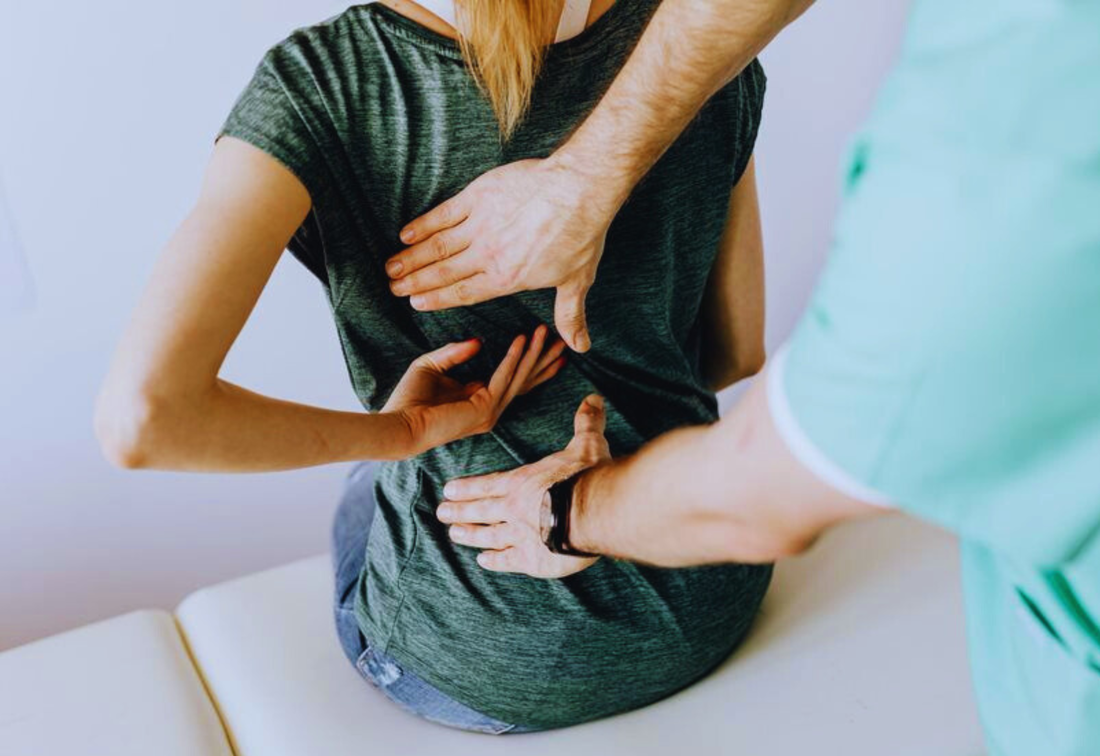
With aging populations, a multitude of spine-related issues are increasingly common, including degeneration, disc herniation, facet joint dysfunction, and spinal stenosis.
healthcaretoday, Dr Lim Heng Hing, Chronic back pain, aging health, spine degeneration, pain management, back pain relief, spine care, orthopedic health, spondylosis, spinal health, facet arthropathy, back pain solutions, spinal stenosis, degenerative disc disease, spondylolisthesis, pain therapy, healthy spine, interventional pain, spinal surgery, aging well, orthopedic care,
​​​Back pain is a common issue, affecting millions of people worldwide and contributing to reduced quality of life. For many, this pain becomes chronic, lasting more than three months and affecting between 15% and 45% of the population. With aging populations, a multitude of spine-related issues are increasingly common, including degeneration, disc herniation, facet joint dysfunction, and spinal stenosis. This article delves into the anatomy of the spine, stages of spinal degeneration, and the available treatments for those suffering from chronic back pain.

Anatomy of the spine and the aging process
The spine is a marvel of biological engineering, allowing humans to stand, walk, and move with agility. It protects the spinal cord while supporting the weight of the upper body. However, this complex structure—comprising vertebrae, intervertebral discs, spinal nerves, and connective tissues—is subject to wear and tear over time.

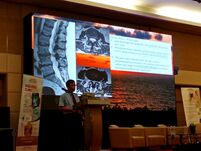
Dr Lim Heng Hing (pictured), an orthopedic and spine specialist at Sunway Medical Centre, presented on "The Aging Spine" during its Orthopedic Symposium - The Art of Orthopedic Care & Management. He emphasizes, "Our spine is a delicate structure, enabling us to stand and move freely, but aging affects its stability and flexibility, leading to common issues like disc degeneration, facet joint problems, and spondylolisthesis." As we age, factors such as decreased bone density and muscle mass further contribute to spinal issues.

Key components: Vertebrae, discs, and ligaments
The spine is divided into several regions, including the cervical (neck), thoracic (mid-back), lumbar (lower back), sacral, and coccygeal (tailbone) areas. Stability is primarily provided by vertebrae, intervertebral discs, and strong ligaments. The intervertebral discs act as shock absorbers, distributing pressure from various physical activities, but they deteriorate over time.

According to Dr Lim, intra-abdominal pressure (IAP) and specific muscle actions stabilize the spine, though aging causes a decline in this natural support. The oblique muscles and transverse abdominis are integral in maintaining stability. When these muscles weaken, it can lead to a loss of spinal stability and an increase in degenerative changes.

The aging spine: Common conditions
Aging contributes to several degenerative conditions of the spine, including:
  • Disc degeneration (Spondylosis): This process begins with the breakdown of the disc's outer layer (annulus), followed by changes within the disc's core, leading to diminished cushioning and flexibility. Spondylosis commonly affects people aged 20 to 60.
  • Facet joint degeneration: The facet joints help guide and limit movement in the spine. Over time, they can become arthritic, leading to pain and stiffness, especially with twisting or bending.
  • Spondylolisthesis: This condition occurs when one vertebra slips over the one below it, often due to facet joint instability. It affects between 25% and 70% of people aged 25 to 70.
  • Spinal stenosis: This is a narrowing of the spinal canal, which can compress nerves and lead to pain, numbness, or weakness, particularly in the lower back and legs.

Stages of spinal degeneration
Spinal degeneration progresses through several stages:
  • Dysfunction: Initial signs include annular tears and minor disc issues.
  • Instability: The weakened discs cause abnormal movement patterns, leading to facet joint degeneration and potential subluxation.
  • Stabilization: In the final stage, the body attempts to stabilize the spine by forming extra bone (osteophytes), which can lead to spinal stenosis.

This progression is known as the Kirkaldy-Willis Theory of Degeneration. "In an attempt to stabilize, the body may cause more harm by forming excessive bone, leading to nerve compression or stenosis," Dr. Lim notes.

Common aggravators: Lifestyle and structural factors
Smoking, a sedentary lifestyle, and improper use of the spine contribute significantly to spinal degeneration. The spine is particularly vulnerable to shear and rotational forces, making activities like golf or tennis risky for those prone to back issues. "Those with degenerative disc disease must be cautious with high-impact activities, as the twisting motion can shear the annulus, weakening the disc further," Dr Lim warns.

Daily activities like sitting, standing, and lifting can exacerbate disc pressure, especially when the spine is in a flexed or bent position. The intervertebral disc pressure is lowest when lying down, moderate when standing, and highest when sitting, especially in a slouched position. Activities like lifting heavy objects or prolonged sitting can lead to discogenic pain, which occurs when the nucleus of the disc irritates nearby nerves.

As people age, they experience sarcopenia, or loss of muscle mass, which compromises spinal stability. Weakness in the abdominal and back muscles can accelerate degeneration. Strengthening core muscles, including the thoracolumbar fascia and abdominal muscles, is essential for a supported spine, particularly in older adults.

Treatment options for degenerative spinal conditions
For chronic back pain, several treatment options are available, ranging from conservative approaches to surgical interventions.
  • Physical therapy and core strengthening: Exercises that target core stability, such as planks and knee-to-chest stretches, are essential. The psoas and abdominal muscles play key roles in spinal stability.
  • Medications: Anti-inflammatory drugs and medications like Lyrica may help manage pain, numbness, and other neuropathic symptoms. Over-the-counter options and prescribed medications are typically part of a pain management plan.
  • Physiotherapy modalities: Heat and cold compresses, along with specific exercises such as the McKenzie Method, can provide relief. Shockwave therapy is also an effective option for early-stage facet joint arthropathy.

Interventional pain therapy and minimally invasive procedures
For patients with persistent pain, interventional procedures are available:
  • Intradiscal Electrothermal Therapy (IDET): A minimally invasive procedure for chronic discogenic pain, IDET uses heat to repair small tears in the annulus and reduce pain.
  • Nucleoplasty: Effective for patients with contained disc herniation, nucleoplasty involves decompressing the disc to relieve pressure on surrounding nerves.
  • Annuloplasty: This procedure reinforces the annular wall of the disc, which may help stabilize the disc and reduce pain.

Facet arthropathy and its management
Facet arthropathy affects the small joints that guide spinal motion and can cause significant pain. Pain often intensifies with activities like standing up or turning in bed. Treatments for facet arthropathy include medial branch blocks, radiofrequency ablation, and exercises to distract the facet joints. For example, William's spinal flexion exercises, like the double leg knee-to-chest stretch, help relieve pressure on the facet joints.

Spondylolisthesis: Understanding the slippage

Spondylolisthesis occurs when a vertebra slips over another due to facet joint incompetence. This slippage, combined with degenerative changes, leads to instability. Mild cases often improve with physical therapy, while severe cases may require surgical intervention to stabilize the spine and relieve nerve compression.

Spinal stenosis and symptoms management
Spinal stenosis refers to the narrowing of the spinal canal, leading to nerve compression and symptoms such as burning pain, tingling, or numbness that radiates from the lower back down to the legs. Lumbar spinal stenosis is particularly common in older adults and often worsens with activities like standing or walking. Mild cases can be managed with physical therapy and core-strengthening exercises, but more severe cases may require surgical decompression to relieve pressure on the nerves.

Maintaining spinal health as you age
With an understanding of spinal anatomy, degeneration stages, and lifestyle factors that aggravate spinal health, individuals can take proactive steps to minimize chronic back pain. Regular exercise focusing on core strength, maintaining a healthy weight, and using proper posture are key strategies for reducing the risk of degeneration. As Dr Lim advises, “Prevention through core strengthening and lifestyle adjustments is critical. For those with chronic conditions, a combination of medical, physical, and interventional treatments offers a range of options for managing back pain effectively.”

Back pain is an inevitable aspect of aging for many, but with the right strategies, managing and even preventing it is possible. Consulting healthcare professionals for a personalized treatment approach can significantly improve quality of life and spinal health, especially for aging individuals.

ADVERTISEMENT

EXPLORE FURTHER


Healthcaretoday, Text Neck, Text Neck Syndrome, Digital Health, Screen Time, Neck Pain, Posture Correction, Ergonomics, Forward Head Posture, Prevent Pain, Spinal Health, Musculoskeletal Health, Health Awareness,

Is your phone a pain in the neck?

​Screen time's painful 'Text Neck' wave threatens posture and nerve function
Healthcaretoday, scoliosis, adult scoliosis, spinal health, back pain, early detection, Xray, MRI, pain management,  physiotherapy, posture,

Adult scoliosis: Common symptoms include back pain and imbalance

​What are the impacts and treatment options for adult scoliosis?
Healthcaretoday, back pain, lumbar herniated disc, chronic low back pain, spine, back discomfort, cervical herniated discs, poor posture, sports injuries, leg discomfort, numbness, posture, topical pain treatments, nerve damage, loss of mobility, neck pain,

4 Ways to practice self-care when you have back and neck pain

​​Preventing spine strain: Essential tips for remote workers
Healthcaretoday, back pain, lumbar herniated disc, chronic low back pain, spine, back discomfort, cervical herniated discs, poor posture, sports injuries, leg discomfort, numbness, posture, topical pain treatments, nerve damage, loss of mobility,

Managing persistent back pain

Uncovering hidden risks: Why ignoring back pain can be dangerous
MORE ON BACK PAIN
Picture
Get our wellness newsletter
​Filter out the noise and nurture your inbox with health and wellness advice that’s inclusive and rooted in medical expertise.
Subscribe to Newsletter
About Us
©2018 - 2026 ©Healthcare Today Media Network Sdn Bhd.
All rights reserved. The material in this site is intended to be of general information use and is not intended to constitute medical advice, probable diagnosis or recommended treatments.          
  • IN THE SPOTLIGHT
    • MALAYSIA HEALTH & POLICY NEWS
    • GLOBAL HEALTH NEWS
  • HEALTH CONDITIONS
    • ANTIMICROBIAL RESISTANCE
    • ARTHRITIS
    • ASTHMA
    • BACK PAIN
    • BRAIN DISORDERS
    • BREAST CANCER
    • CANCER
    • CARDIOVASCULAR DISEASE
    • CERVICAL CANCER
    • CORONAVIRUS DISEASE (COVID-19)
    • DEMENTIA
    • DENGUE
    • DENTAL PROBLEMS
    • DIABETES
    • DRUG ABUSE
    • EAR, NOSE AND THROAT
    • ECZEMA
    • EPILEPSY
    • EYE
    • FIBROIDS
    • GASTROINTESTINAL DISEASES
    • GOUT
    • INFLUENZA (FLU)
    • HEADACHES & MIGRAINES
    • HEPATITIS
    • HIV & AIDS
    • JOINT PAIN
    • KIDNEY DISEASE
    • LUNG CANCER
    • LUPUS
    • MELASMA
    • MENTAL HEALTH
    • MOUTH-AND-TEETH
    • OBESITY
    • OSTEOPOROSIS
    • OVARIAN DYSFUNCTION: UNDERSTANDING PREMATURE OVARIAN FAILURE, POLYCYSTIC OVARY DISEASE AND INFERTILITY
    • SEXUAL & REPRODUCTIVE HEALTH
    • SKIN CONDITIONS
    • SLEEP
    • STROKE
  • DISABILITIES & SPECIAL ABILITIES
    • ADHD and ADD
    • AUTISM SPECTRUM DISORDER
    • BLINDNESS & VISION IMPAIRMENT
    • CEREBRAL PALSY
    • DOWN SYNDROME
    • RARE DISEASES
  • PALLIATIVE CARE
  • NURSING RESOURCES
  • DIGITAL HEALTH
  • HEALTH PRODUCTS & SERVICES
  • RELATIONSHIPS
  • FAMILY HEALTH & PARENTING
  • EMPOWERING WOMEN
  • MEN'S WELLNESS
  • GOLDEN YEARS
  • ACTIVE LIFE HUB
  • NUTRITION
  • COMPLIMENTARY MEDICINE
  • HUMANITARIAN & COMMUNITY HEALTH
  • AMBULANCE AND FIRST AID GUIDE
  • Community clinics/ Klinik Komuniti
  • Government Dental Clinics / Klinik Pergigian Kerajaan
  • ABOUT US