Aging smarter: How inflammation, metabolism, hormones decide longevity and health
January 14, 2026

True longevity begins by tackling the root causes of aging today, extending healthy years and positioning ourselves to benefit from tomorrow’s medical breakthroughs and life-extending innovations.
We think of aging as the things we lose or that grow worse with time: wrinkles and loss looks, loss of muscle, loss of energy, chronic disease. There are accounts of people who lived in high mountains, who were alive in their early hundreds without disease. What were they doing? What others around the world who lived the longest and were the healthiest doing?
What is the route to successful aging? How do we age without sickness and make aging an advantage? If we want to go deeper than making just a few changes, we have to counterattack the most common things that age us. By prolonging a healthy life span, we put ourselves in a position to take advantage of future medical breakthroughs that could result in dramatic extensions of the human life span. The age promoters Chronic inflammation is deadly, silent, until the dreaded ‘catastrophic event.’ Heart doctors used to think that the sole cause of heart disease was the buildup of cholesterol deposits inside the walls of the coronary arteries. In fact, chronic inflammation is a major reason for cholesterol being deposited in the arteries. That is why testing for inflammation is as important as testing for cholesterol. Chronic inflammation is a key factor in Alzheimer’s. In the brain, inflammation increases both the production of toxic waste products like soluble amyloid protein and conversion into insoluble amyloid fibrils. These waste interfere with normal brain functioning and kill brain cells. Chronic inflammation is also a condition of type 2 diabetes. The elevation of blood sugar and insulin levels increases inflammation in the bloodstream, which triggers a series of dramatic events in the blood vessel wall that increases the risk of heart attack and stroke. Here is the good news. You can reduce inflammation by eating more vegetables and more medium-and-low sugar fruits (especially berries) for their antioxidant value. You can also increase your Omega-3 fish oil consumption with a daily dose of EPA 1,400mg, DHA 1,000mg. Suggested products are ZINZINO BalanceOil which contains Fish oil, Olive oil, Polyphenols and Vitamin D3.
The most commonly used blood test for inflammation is known as high-sensitive C-reactive protein, or hs-CRP.
Carrying excess fat pounds, especially in the belly, is a common cause of systemic inflammation. High LDL (bad cholesterol) can also spark systemic inflammatory fires. The presence of inflammatory factors in the blood is why blood testing is so important when designing an individualized program to neutralize the aging factor. Glycation Sadly, it is well-known that most diabetics age prematurely and die ten years earlier than non-diabetics. When the body is exposed to too much sugar or carbohydrates, excess glycation is triggered. Diabetics suffer accelerated glycation. What few people realize is we all suffer from deadly glycation reactions, only at a slower rate. Everyone is fixated on cholesterol, yet cholesterol in itself is not bad. The problem with cholesterol starts when it oxidizes. If you cut back on sugars; limit carbohydrates; avoid processed foods, prepackaged foods, and fast foods; avoid microwaving food; you can reduce the number of Advanced Glycation End Products (AGEs) considerably. Numerous studies have shown that the nutrients listed below suppress dangerous glycation reactions in the body.
Methylation Methylation imbalances are another aging factor. The DNA within every cell of the body requires constant enzymatic reactions called methylation for maintenance and repair. Aging cripples youthful methylation metabolism. The resulting DNA damage can manifest as cancer, liver damage, and brain cell degeneration. Low-cost nutrients can safely restore methylation activity to youthful levels. Taken together, the following nutrients are referred to as ‘Methyl donors.’
Other age promoters Mitochondrial dysfunction Over 350 studies published in 2010 alone show how mitochondrial degradation leads to onset of virtually every degenerative disease. Mitochondrial dysfunction can result in congestive heart failure, muscle weakness, fatigue, and neurological disease. Researchers have found that age-related mitochondrial decline may be reversed with CoQ10 as ubiquitous typical daily dose 100-200mg, Acetyl-L-carnitine 675mg and R-lipoic acid 150mg. Hormone imbalance Hormones are a language. They all speak to one another. It's a delicate symphony keeping perfect balance. Imbalance and missing hormones are often a contributing cause to many diseases associated with aging, including depression, osteoporosis, and coronary artery disease. The most effective way to bring your sex hormones into balance is by restoring them to youthful levels with bio-identical hormone replacement therapy. For women (no prescription needed)
For women (requires prescription)
For men (no prescription needed)
For men (requires prescription)
Aging and excess calcification Calcium ions are transported into and out of cells through calcium channels in the cell membrane. Aging disrupts calcium transport, resulting in excess calcium infiltration into the soft tissue cells of the brain, heart valves, and middle arterial wall (causing arteriosclerosis). Many age-related disorders are related to excessive calcification, including memory loss, aortic valve stenosis, atherosclerosis, vision problems, even dementia. Gradual calcium buildup in your coronary arteries can constrict blood flow, causing chest pain and putting you at risk for a heart attack. These deadly age-related processes can be halted and possibly reversed using two low-cost nutrients. Vitamins K and D Lining our blood vessels is a protein that regulates whether or not circulating blood calcium infiltrates (calcified) our arteries. This protein requires vitamin K2 to function. When one is deficient in vitamin K2, vascular calcification occurs. When sufficient K2 is present, this protein functions to shield against arterial calcification. Vitamins D and K work together to help remove calcium from circulation in the blood, trigger bone formation, and maintain bone strength. Vitamin D helps your bone absorb calcium. Vitamin K ensures that calcium is deposited in your bones and stays out of the arteries. Together they work to prevent excess calcium from depositing in the brain, arteries, and other soft tissues.
Aging and digestive enzyme deficit Digestive enzymes are essential to the body's absorption and full utilization of food. The capacity of the living organism to make enzymes diminishes with age. Meeting the full range of our nutritional requirements can create a high demand for these digestive enzymes. Their gradual loss accounts for many health problems that plague aging adults, from impaired immunity to distress and nutritional deficiencies. Another way to restore digestive enzyme balance is to ensure you have enough beneficial bacteria in your gut. Supplements that supply these living bacteria are called probiotics. You also need to ensure that ‘good’ bacteria are getting enough of the nutrients they need to thrive. Dietary deficiency of these nutrients- known as prebiotics, is another reason we don't have the robust digestive enzyme balance of our younger days. So your digestive support strategy is threefold:
Aging and fatty acid imbalance The body requires essential fatty acids to maintain cell energy output. Aging distorts the metabolism of essential fatty acids, throwing their delicate proportion and interplay off balance. Most people today have an imbalance of omega-6 and omega-3 and too low levels of omega-3 due to modern diet. People who take a traditional omega-3 supplement are surprised, most of them have an average omega-6:3 ratio of 7:1 instead of 3:1 or lower. Those who don't take any supplement have an omega-6:3 ratio above 15:1. We find 30:1,50:1,80:1 and above. Polyphenols A polyphenol known as an anthocyanin is the substance that gives a fruit or vegetable it's color. Blue fruits rate very high on the Oxygen Radical Absorption Capacity (ORAC) test, indicates the antioxidant potential and special abilities to reduce inflammation in the body has a potential effect in protecting against coronary artery disease. Balance oil Is a synergistic formula with 40% pre-harvest premium extra-virgin olive oil. It keeps the oil from oxidation, increase absorption in the body and protects the body from oxidative stress. Essential oil contains a high amount of olive polyphenol combined with omega-3, omega-6, omega-7 and omega-9, which is exactly what you need to get omega-6:3 ratio where it should be. 95% of those taking an essential oil daily have an omega-6:3 ratio near 3:1 after 120 days. Aging and DNA mutation We are continuously exposed to synthetic and natural carcinogens in our food supply, in everyday household products, and in the environment. Cooking any food at high temperature (above 250 degrees Fahrenheit) also generates toxic cancer-causing agents. These environmental and dietary compounds mutate cellular DNA. Aging cells gradually lose their ability to repair DNA from these constant assaults. The resulting DNA damage can cause normally functioning cells to proliferate out of control, turning them into cancer cells. These processes can be halted and reversed with a number of plant-based compounds that break down carcinogens, prevent cells from becoming cancerous, and disable mutated cells.
Aging and immune dysfunction As the aging immune system loses its ability to attack bacteria, viruses, and cancer cells, it instead generates excessive levels of inflammatory chemicals, dangerous cytokines that cause the immune system to turn on its host and create autoimmune diseases such as rheumatoid arthritis and others. You can restore your immune system using a few safe, low-cost compounds that target age-related immune conditions. These enhance different parts of your immune system at the same time optimize flu, and other highly infectious diseases.
Aging and enzyme imbalance Youthful functions within your cells depend on multiple enzymatic reactions occurring with precision timing. Aging causes enzyme imbalances in the brain and liver. The result can manifest as neurological diseases such as Parkinson's or persistent memory loss. Impaired liver function results in toxic damage to every cell in the body.
Aging and loss of mitochondria The increasing weakness and fatigue we inevitably experience as we get older isn't only the result of a steady age-related decline in the amount of energy our mitochondria can produce. The number of healthy mitochondria throughout our bodies declines sharply as well. This reduction of cell energy can lead to many different pathologies culminating in death. Mitochondrial biogenesis is the scientific term for the process of growing fresh mitochondria. The most recent research indicates that the following nutrients listed can trigger mitochondrial biogenesis and increase mitochondrial energy output.
Aging and excitotoxicity Excitotoxicity is the pathological process by which the aging brain loses control of its release of neurotransmitters such as glutamate and dopamine, which results in nerve cells damage. This causes brain cell damage and destruction leading to neurological disorders. Excitotoxicity contributes to lasting brain damage that arises from events like stroke and traumatic brain injury. Compounds that can protect brain cells and neurons from excitotoxicity injury and regenerate damaged cells.
Aging and circulatory deficit Delivery of nutrient-and oxygen-rich blood to the brain, heart, and extremities is impaired as a part of normal aging. Major strokes are common problems associated with circulatory deficit to the brain. Disorders of the eye due to poor blood flow include cataracts, macular degeneration, and glaucoma. The skin of all aged people shows the effects of lack of nutrient-rich blood to the upper layers. An underlying cause of circulatory deficits is endothelial dysfunction, which destroys the inner lining of blood vessels which decimate their ability to efficiently transport blood. With all the mainstream medical and media attention focused on cholesterol and high blood pressure for heart health, a major issue facing most maturing people has been overlooked: healthy circulation. Ruptured blood vessels, embolism, stroke, and varicose veins affect many people. Many resort to blood-thinning medications with potentially dangerous side effects. Most have been kept in the dark about low-cost, natural alternatives. One of the most exciting is a brand-new, cutting-edge, high-potency tomato extract. This tomato extract is especially processed in such a way that provides benefits you cannot obtain by consuming cooked tomato products. In human trials, just three grams improves blood flow within ninety minutes and last more than twelve hours! It works by helping improve the balance of clotting factors-platelets in the bloodstream without the risk of hemorrhaging, organ damage, and other side effects associated with blood-thinning drugs.
Aging and loss of insulin sensitivity In youth, we efficiently utilize ingested carbohydrates to produce cellular energy with a minimum amount converted to body fat storage. Aging reduces cellular sensitivity to insulin, which results in most people suffering chronically high blood glucose and insulin. Even if a blood test shows fasting glucose levels are normal, many suffer from constant exposure to excess glucose throughout normal days. In the presence of excess glucose, healthy tissue comes under an incredibly destructive free-radicals assault. The ensure cellular destruction has been linked to everything from blood vessels damage and stroke to cancer. Green coffee bean extract works by blocking the destructive elevation in blood sugar that occurs after meals. Researchers have identified the active compound in raw coffee beans that combats excess blood sugar as chlorogenic acid. It brings blood sugar under control by both reducing the release of stored glucose into the bloodstream and stopping the creation of excess glucose within our bodies.
Aging and loss of bone density Aging gradually weakens bones through decalcification and trace mineral loss. A compromised skeletal system negatively affects immune strength, blood cell production, nervous system function, insulin sensitivity, energy metabolism, and weight management. Ninety-nine percent of the calcium in our bodies resides in our teeth and bones. Ideal forms if calcium to look for on labels are dicalcium malate, calcium bis-glycinate, or calcium citrate. They're easily tolerated by the body, highly absorbable, and supportive of bone mineral density-the key measure of a calcium supplement 's value. Your body can't readily absorb calcium without vitamin D3. This vitamin also ensures calcium deposits properly in bone tissue. There are receptors for vitamin D3 in more than thirty different tissue types throughout the body. D3 binds with them to promote immune function, reduce inflammation, reduce hardening of the arteries, enhance heart function, improve brain and nerve tissue performance, and even prevent cancer. It's a good idea to have your vitamin D blood levels checked to make sure you're getting enough. The current evidence suggests that your readings fir 25-hydroxy vitamin-D should be between 50 and 80ng/mL in blood for optimal health. Experts suggest taking at least 2,000 IU per day, with most people requiring 5,000IU per day, to achieve blood levels in a healthy range.
*if you're taking anticoagulant drugs like coumadin (warfarin), talk to your doctor before starting on a vitamin K2 regimen. Aging and oxidative stress You know how quickly a freshly cut apple turns brown or exposed steel becomes rusty. These processes are known as oxidation. Free radicals are fiery unstable molecules that have been implicated in most diseases associated with aging. The problem is that as we get older, the cellular structures that once kept these fires under control begin to degrade, including the mitochondria themselves. Aging causes our cells to lose control over these reactions and renders them more vulnerable to destruction. Antioxidants have become popular to protect against free-radical-induced cell damage, but few take the proper combination of antioxidant supplements to adequately compensate for age-induced loss of endogenous antioxidants such as SOD, glutamate, and Velixir.
Supplements like BalanceOil, Vitamin D, lipoic acid, Curcumin, CoQ10, Resveratrol, DHEA, vitamin K, SAMe, and Velixir function to circumvent multiple aging factors. And finally, there are two other major negative influences on health and aging that you no doubt already know about: smoking and excessive alcohol consumption. The amount of harm caused to the human body from these two activities alone is true testament to how good our repair systems actually work. How much sleep you are getting nightly and how well you are managing stress are also key components in determining how you look and feel, as well as how you age. |

EXPLORE FURTHER

|
Why your dreams and sleep matter more after sixtyIs feeling tired and low an inevitable part of aging?
|

|
OP-ED: Malaysia's aging revolution: From healthcare crisis to opportunity for dignityMaintain a failing hospital-centric model or build a compassionate new system that honors its elders?
|
|
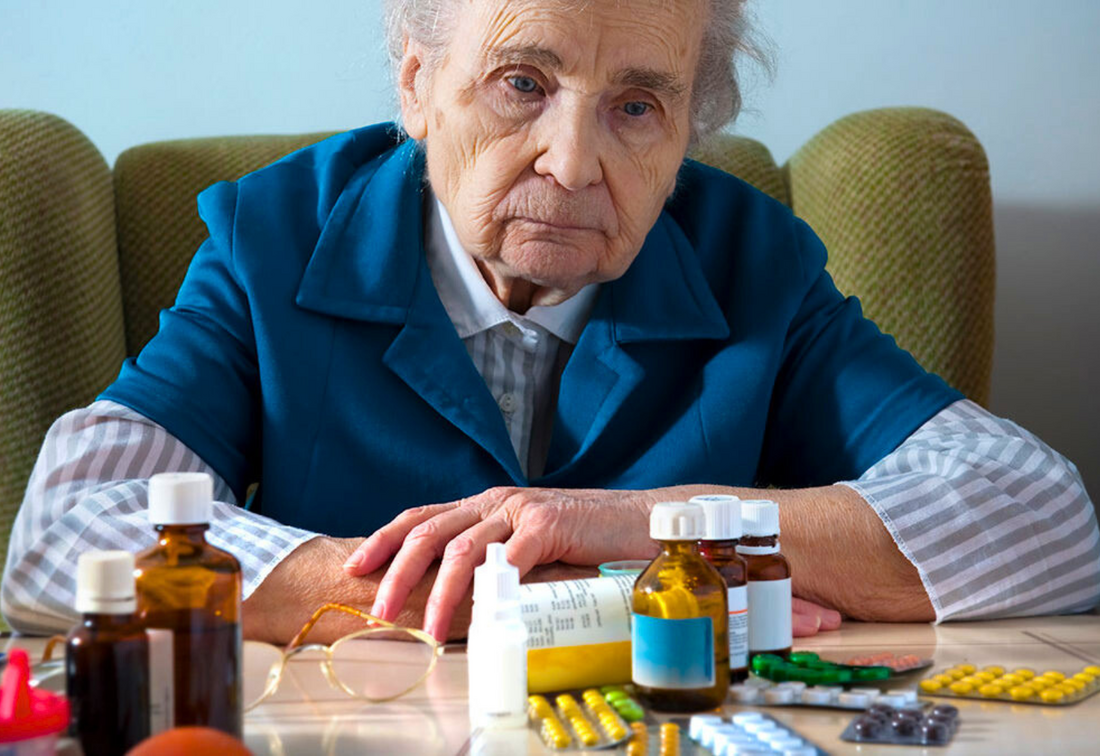
Drug-drug interactions in the elderly: Uncovering the hidden dangers of prescription overloadOne in five older adults prescribed potentially inappropriate medication—raising concerns over safety, interactions, and fall risks
|

|
Men from mitochondria, women from telomeres: Ageing was never meant to be equalThe diverging paths of ageing and how we can foster a healthier ageing process
|

|
Unlocking active ageing beyond chronological yearsHow can we increase the health span years free from age-related diseases?
|

|
Palliative care: A vital support for our golden yearsThe growing need for specialized care in an aging population
|

|
Choosing the right nursing home: A crucial decisionUnderstanding needs and ensuring proper care for loved ones
|

|
Improving communication with older adults: Compassionate strategies matterEffective, empathetic communication reduces isolation in aging populations
|

|
Anti-aging breakthroughs: How safe and effective are metformin, NAD+, rapalogs, and resveratrol?
Delving into the science behind anti-aging therapies to extend lifespan
|

|
Unlocking employment potential: A path to active aging after retirementHow do older employees face bias from employers?
|

|
Empowering families through the Lasting Power of AttorneyLPA doesn't affect fara’id, valid only during lifetime
|

|
Next of kin: Determining authority in critical healthcare decisionsShould it be the family, healthcare providers, or a legal representative?
|

|
Malaysia faces aging crisis: Urgent call for Mental Capacity Act
Supporting our aging population with essential legal and medical frameworks
|

|
Retirement reimagined: Navigating entrepreneurship in your golden years |

|
Addressing aged care needs: Issues and concerns |

|
Preventing bedsores in bedridden senior citizensPreventive measure to significantly reduce the likelihood of bedsores developing
|

|
Fun activities for bedridden seniors and seniors with limited mobilityCheck out our list of activities to keep your loved ones happy and active
|
|
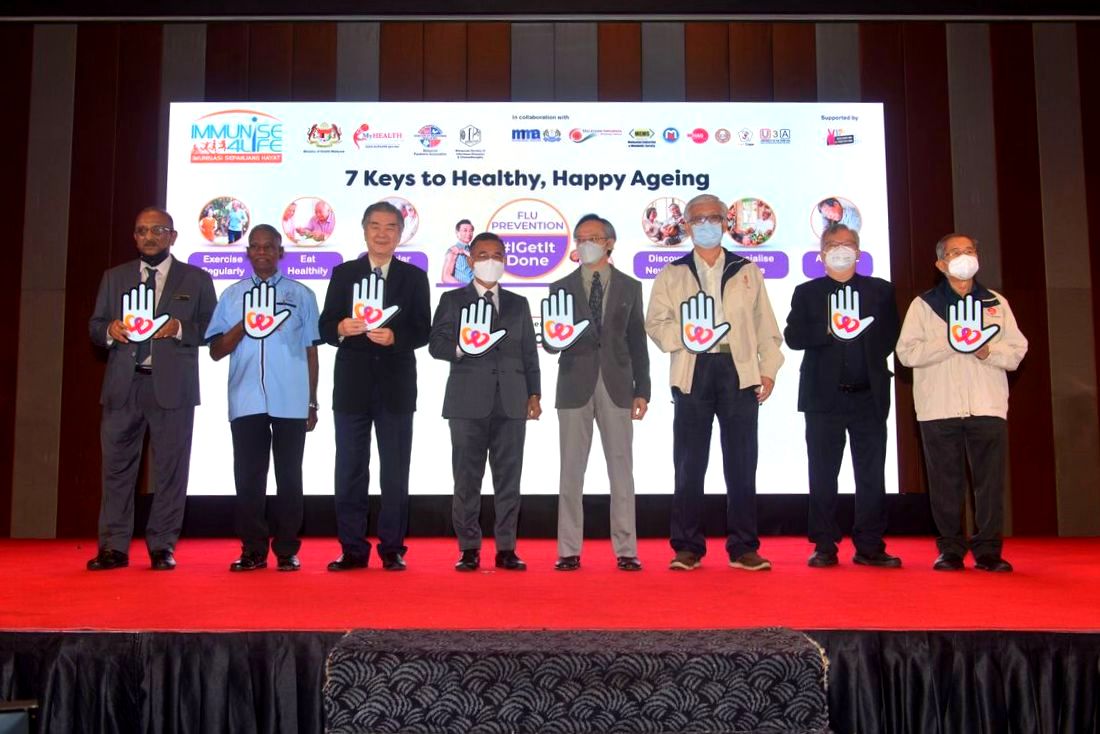
Older persons urged to take vaccination to prevent from fluImpact of flu on people with diabetes
|

|
The art of wheelchair to car transfer for caregiversGetting into and out of a car can be easily done with proper transfer technique
|

|
A caregiver's guide to senior bathing and hygieneTips for effective home care and cleaning
|

|
Senior care: Differentiating day and night diapers for optimal comfortThe differences between day and night diapers for seniors and how often diapers should be changed
|

|
When the need arises to obtain a hospital bed for use in your homeDistinguishing between hospital beds and adjustable beds
|

|
Safeguarding senior citizens from the insidious threat of influenzaTax exemption for flu vaccination from 2021
|

|
Are you getting shorter as you age?Rapid bone loss after menopause
|

|
Disrupted sleep and daytime sleepiness in older adultsA serious disorder in people aged over 65 years old
|

|
Dry mouth not part of ageing, says dentistXerostomia is particularly prevalent among older people
|

|
The risk of getting shingles increases as you ageOnce you’ve recovered from chickenpox, the virus continues to live in your nerve
|
|
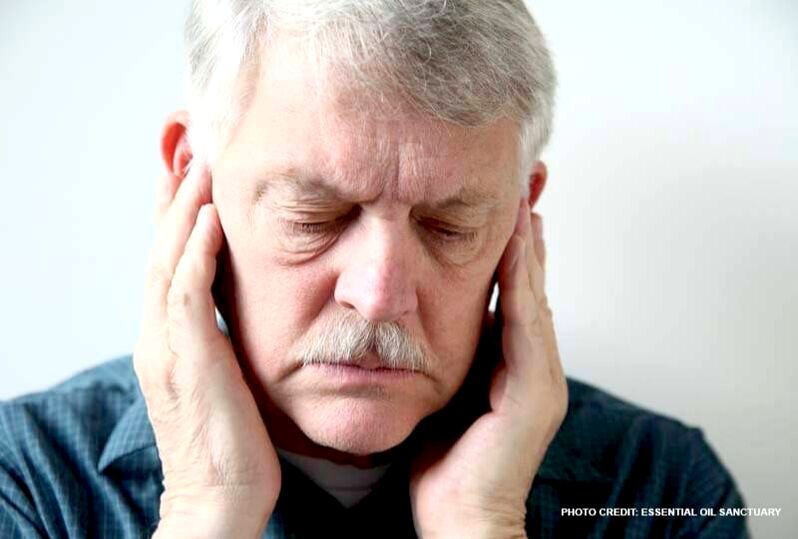
Tinnitus: The bothersome perception of noise in older adultsRinging in your ears, involves a wide variety of noises
|
|
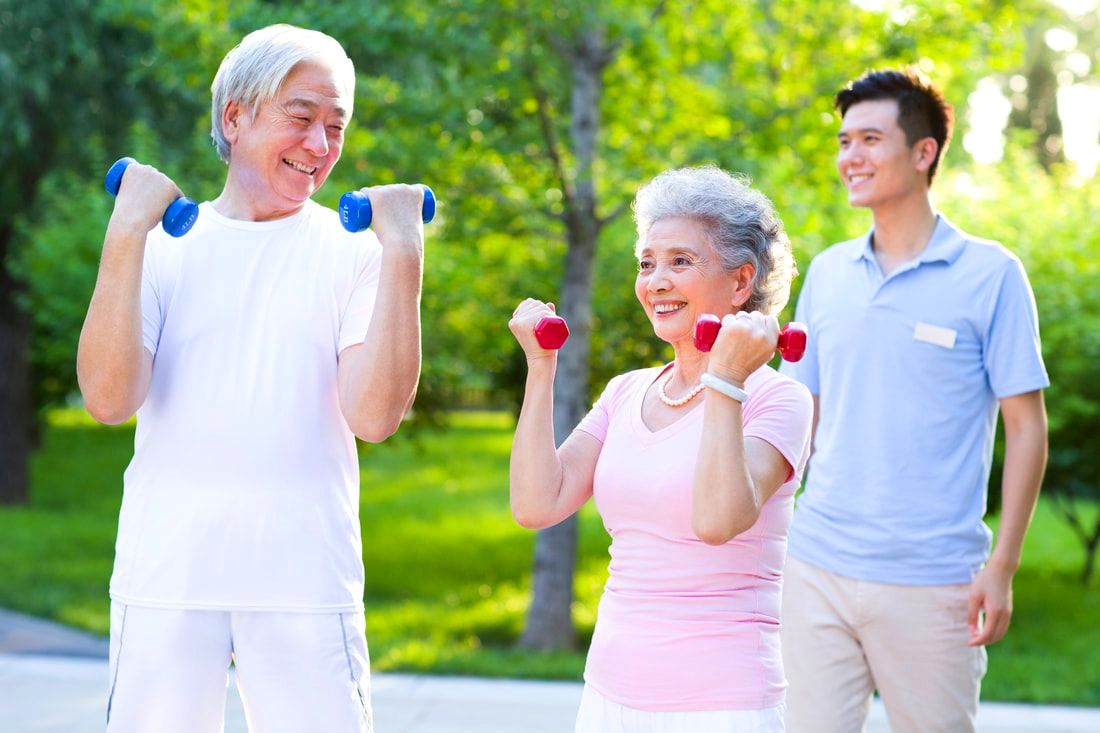
Growing strong with age: How you can experience life-changing benefits with regular exerciseImprove mental health and maintain independence
|

|
Getting over retirement guiltActionable steps for a brighter outlook
|

|
Recent innovations in healthy ageingProactive assessment and preventive regimens for optimal health
|

|
Elder abuse and neglect for family members and carersA Malaysian narrative
|